
11 Pickling Recipes That Go Way Beyond Cucumbers
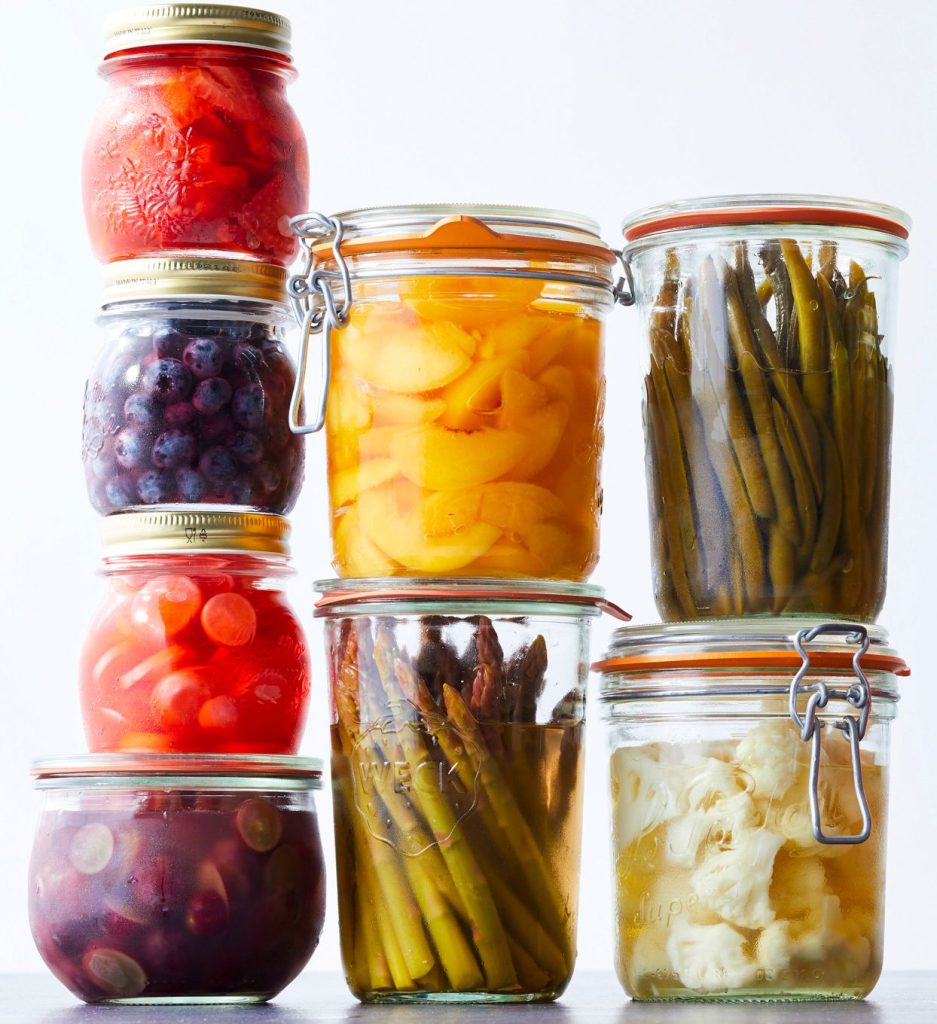
Th3
Cucumbers get all the pickling fame. They’re the Taylor Swift of the jar world: talented, popular, and somehow always
showing up at the party. But pickling isn’t a one-vegetable band. It’s more like karaoke nightalmost anything can
grab the mic, hit a tangy high note, and leave you wondering why you ever settled for “just dill.”
In this guide, we’re going beyond cucumbers with 11 craveable pickling recipescrunchy, spicy, sweet, and bright
plus practical tips so your jars taste bold (not weird) and your fridge becomes a tiny condiment museum you’ll
actually use.
Pickling 101: The Quick Science (No Lab Coat Required)
Pickling is basically controlled transformation. You’re using acid (usually vinegar), salt, and sometimes sugar to
change flavor, texture, and shelf life. In the fridge, you can make “quick pickles” that are ready in hours and keep
for days to weeks. For pantry-stable, shelf-ready pickles, you must follow tested canning recipes and processesthis
is where precision stops being “type-A” and starts being “food-safe.”
Two big lanes: quick pickles vs. fermentation
-
Quick pickles (vinegar pickles): Fast, flexible, refrigerator-friendly. Great for weeknight
cooking and “I bought radishes again and panicked.” -
Fermented pickles (lacto-fermentation): No vinegarsalt + time lets good bacteria create tangy
lactic acid. Funky (in a good way), complex, and deeply snackable.
One safety rule worth tattooing on a jar
If you’re making shelf-stable, canned pickles, don’t “improvise” the vinegar-to-water ratio. Use a reliable, tested
recipe. If you want less sourness, adjust sugar or serving stylenot acidity.
Master Brines: 3 “Base” Formulas You Can Actually Remember
1) Classic quick-pickle brine (balanced)
Use this for onions, jalapeños, cauliflower, and most crunchy vegetables. It’s clean, classic, and ridiculously
versatile.
- 1 cup vinegar
- 1 cup water
- 1 tablespoon kosher salt
- 1 tablespoon sugar (optional but recommended)
Heat just until salt/sugar dissolves, then pour over vegetables. Chill. Eat when the “whoa” hits.
2) Sweet-spice brine (for fruit pickles)
- 1 cup vinegar (apple cider vinegar is great here)
- 1/2–1 cup water
- 2–4 tablespoons sugar or honey
- Warm spices (cinnamon, cloves, star anise, ginger, peppercorns)
Fruit likes a little sweetness and spice. Think “chai vibes,” not “sour patch.”
3) Fermentation brine (simple math, big payoff)
For many ferments, a good starting point is a 2–3% salt brine by weight. Translation: for 1 liter of
water (about 1000g), use 20–30g salt. Keep everything submerged, let time do its thing, and taste as it develops.
11 Pickling Recipes That Go Way Beyond Cucumbers
1) Pickled Red Onions (Pink, Punchy, and Ready Fast)
The gateway pickle. They upgrade tacos, grain bowls, burgers, salads, and the general emotional state of your dinner.
Best for: tacos, sandwiches, nachos, BBQ plates
- Thinly slice 1 large red onion (mandoline = chef shortcut).
- Pack into a jar with optional peppercorns, a smashed garlic clove, or a pinch of red pepper flakes.
- Pour in classic quick-pickle brine. Let cool, then refrigerate.
- Snack after 30 minutes, but it gets better by day 2.
Fun twist: Swap half the water for citrus juice (lime + orange) for a bright, taco-shop vibe.
2) Vietnamese-Style Đồ Chua (Carrot & Daikon Pickles)
Crunchy, lightly sweet, and perfect in sandwiches. If you’ve ever had a banh mi and thought, “What is that magical
tang?”, this is it.
Best for: banh mi, rice bowls, grilled meats, salads
- Cut carrots and daikon into thin matchsticks (or ribbons if you’re feeling artsy).
- Toss with a little salt and sugar; rest 10–15 minutes to draw out moisture.
- Rinse quickly, squeeze gently, then pack into a jar.
- Cover with a brine using vinegar + water + sugar (slightly sweeter than the classic brine).
- Chill at least 1 hour; best after overnight.
Pro move: Add a few jalapeño slices for subtle heat that sneaks up politely.
3) Quick Pickled Jalapeños (Spicy, Tangy, Ridiculously Useful)
Put these on nachos, burgers, egg sandwiches, pizza, chilianything rich that needs a bright kick.
Best for: nachos, grilled cheese, burgers, tacos, soups
- Slice 5–6 jalapeños into rings (gloves if you value your future).
- Pack into a jar with 2–4 smashed garlic cloves.
- Pour in hot classic quick-pickle brine.
- Cool, refrigerate, and taste after 30–60 minutes.
Don’t waste the brine: Add a spoonful to bean soups or salad dressings for instant zing.
4) Dilly Beans (Pickled Green Beans with Brunch Energy)
Crisp, garlicky, dill-forward beans that feel fancy but behave like a snack. They’re basically vegetables cosplaying
as a cocktail garnish.
Best for: Bloody Marys, charcuterie boards, sandwiches
- Trim green beans to fit your jar (about 4 inches).
- Add garlic + dill to the jar; pack beans in tightly (standing up looks cool and helps them stay crisp).
- Use a vinegary brine and pour hot over the beans.
- Chill 24 hours before going in for the full crunch experience.
Note: If you want pantry-stable dilly beans, follow a tested canning recipe and processing time.
Refrigerator versions are the easy lane.
5) Giardiniera (The Italian Pickled Veg Medley That Fixes Boring Food)
Giardiniera is the “everything bagel seasoning” of picklesexcept it’s actual vegetables, and it makes sandwiches
feel like they have a life plan.
Best for: Italian subs, sausages, antipasto, salads
- Chop cauliflower, carrots, celery, and bell peppers into bite-size pieces.
- Make a brine with vinegar, water, salt, sugar, bay leaf, and optional chili flakes.
- Simmer briefly until crisp-tender, then cool in the brine.
- For a Chicago-ish vibe, drain and toss with olive oil + oregano before storing.
Flavor dial: Add olives or serranos if you want it loud.
6) Pickled Beets (Sweet Earth Meets Tangy Bright)
Pickled beets are how you convince beet skeptics to stop acting like beets personally offended them in 2009. Roast or
boil first; then let vinegar do the rest.
Best for: salads, grain bowls, smoked fish plates, sandwiches
- Cook beets until tender (roasting adds deeper sweetness; boiling is faster).
- Peel and slice (wear gloves unless you want hands that look like a crime novel cover).
- Toss with cider vinegar, a little sugar, and mustard or spices for depth.
- Chill and serve cold for maximum snap and brightness.
Optional upgrade: Add thin onion slices and black pepper for a deli-case feel.
7) Quick-Pickled Cauliflower (Crunchy Confetti with Attitude)
Cauliflower is basically a sponge for flavor, so pickling it turns “meh” into “where has this been all my life?”
Keep florets small so the brine can do its job quickly.
Best for: tacos, salads, snack plates, rich stews
- Break cauliflower into small florets; add sliced carrots or onions if you want extra color.
- Use classic quick-pickle brine, plus lime zest or juice if you love citrus.
- Add heat: a Scotch bonnet, serrano, or red pepper flakes (choose your bravery).
- Chill overnight for best flavor.
Texture tip: Don’t overcookcrisp is the whole point.
8) Pickled Mushrooms (Deli-Case Vibes, No Ticket Number Needed)
Mushrooms love a tangy marinade. These are savory, a little sweet, and wildly good piled on toast or tossed into a
salad like you’re casually sophisticated.
Best for: antipasto, salads, sandwiches, steak sides
- Briefly cook mushrooms (blanch or simmer) so they absorb brine evenly.
- Make a bold pickling liquid with vinegar, salt, garlic, herbs, and paprika or pepper.
- Combine and chill at least a few hours; best after a full day.
Shortcut: Start with button mushrooms for a classic texture and predictable results.
9) Pickled Garlic Cloves (Little Flavor Firecrackers)
Pickled garlic is mellow, tangy, and weirdly snackablelike garlic decided to stop yelling and start singing in a
smooth jazz band.
Best for: charcuterie, pasta salads, roasted meats, salad dressings
- Peel a bunch of garlic cloves (this is where you question your life choices).
- Simmer briefly in a brine with vinegar, salt, and optional spices (peppercorns, bay, chili).
- Jar it up, cool, and refrigerate.
- Wait 3–7 days for peak “mellow but confident” flavor.
Use the brine: Whisk into vinaigrette. Your salad will suddenly have opinions.
10) Watermelon Rind Pickles (Zero-Waste Southern Classic)
Watermelon rind pickles are the glow-up of the century: the part you usually throw away becomes a candy-spiced,
sweet-tangy bite that belongs on cheese boards and holiday plates.
Best for: cheese boards, BBQ, ham, holiday spreads
- Trim off the green skin and remaining pink flesh; cut rind into chunks.
- Soak in salted water (traditional method) to firm the texture.
- Simmer in a spiced sweet-vinegar syrup with cinnamon, cloves, and lemon.
- Jar and chill (or follow a tested canning method if preserving for pantry storage).
Worth it: Yes. Even if your friends say “watermelon… rind?” Just wait.
11) Preserved Lemons (The Pickle That Thinks It’s a Spice)
Preserved lemons are salt-packed lemons that transform into a deeply savory, floral, salty-tangy condiment. The rind
becomes soft and edible, and a tiny amount can wake up an entire dish.
Best for: roasted chicken, pasta, salads, tagines, sauces
- Scrub organic lemons; cut into quarters (or keep whole and poke holes).
- Pack tightly into a jar with lots of kosher salt (and a little sugar if desired).
- Let them sit, turning occasionally, until the rinds soften and the flavor deepens (think weeks, not hours).
- Rinse before using to manage salt, then chop rind finely.
Instant upgrade: Stir minced preserved lemon into mayo for a sandwich spread that tastes expensive.
How to Use Your Pickles (Besides Forking Them Straight From the Jar)
- Make “acid sprinkles”: chop pickled onions + jalapeños and scatter over tacos or eggs.
- Turn brine into dressing: whisk brine with olive oil + mustard for a quick vinaigrette.
- Upgrade sandwiches: giardiniera + pickled garlic = instant deli swagger.
- Balance rich foods: pickles cut through fatty meats, creamy dips, and cheesy everything.
- Build snack plates: pickled mushrooms + beets + dilly beans = “I planned this” energy.
Troubleshooting: When Pickles Get Moody
Problem: They’re soft
Use fresher produce, keep pieces thicker, and avoid overcooking. For some vegetables, a quick blanch is finebut
“mushy” is the enemy.
Problem: Too salty
Next time, reduce salt slightly in refrigerator pickles (not canning recipes). For now, drain and replace some brine
with fresh vinegar + water (keeping flavor in mind), or rinse briefly before serving.
Problem: Too sour
Sweeten the brine a bit or serve pickles alongside rich foods. Sour is a feature, but it shouldn’t feel like a dare.
Problem: Cloudy brine
Often it’s salt choice or spices. Pickling/canning salt helps keep brine clearer. Cloudy doesn’t always mean unsafe,
but if anything smells off, looks slimy, or grows fuzz, don’t taste-test your luck.
My Pickling Experiences: 7 Things I Learned the Crunchy Way
I didn’t start pickling because I’m a pioneer with a cellar and a bonnet. I started because I kept buying produce
with big “healthy main character” energy… and then letting it wilt while I ordered takeout like a hypocrite. Pickles
saved my reputation. Not my bank account, but definitely my reputation.
The first jar I ever made was pickled red onions, which is basically pickling on tutorial mode. I remember thinking,
“That’s it? I just pour hot pink destiny over onions and wait?” Thirty minutes later I was putting them on
everythingeggs, toast, rice, tacos, salads, probably my taxes. It felt like I’d unlocked a cheat code: flavor on
demand, no extra cooking, no extra dishes.
Then I got cocky. I decided to quick-pickle jalapeños without gloves, because I am apparently the kind of person who
enjoys learning lessons the hard way. One eye rub later and I was standing at the sink negotiating with the universe.
Now I keep gloves in the kitchen like a responsible adult. Pickling taught me humility. Spicy, spicy humility.
My biggest “aha” moment was realizing pickles aren’t just a sidethey’re a balancing tool. If a dish tastes flat,
it usually needs salt, fat, or acid. Pickles are acid with personality. A spoonful of giardiniera can make a
weeknight sausage bowl taste like it came from somewhere with Edison bulbs and a chalkboard menu. Pickled mushrooms
can make a salad feel like you’re trying (even if the “salad” is mostly cheese and olives, whichno judgmentsame).
I also learned that not every vegetable wants the same treatment. Cauliflower loves a bold brine and shows up crunchy
the next day like it’s proud of itself. Beets, meanwhile, need a little coaxingroast them first and they become
sweet enough to handle vinegar without tasting like pure punishment. And garlic? Garlic is dramatic. Give it time.
It goes from sharp and loud to mellow and snackable, like it took a long vacation and discovered boundaries.
The most satisfying jar I’ve made is watermelon rind pickles, mostly because it feels like wizardry. You take the
part everyone throws away, add spice and patience, and suddenly it’s this sweet-tangy, clove-and-cinnamon bite that
belongs next to sharp cheddar. The first time I served them, someone asked, “What is this?” and I said,
“Watermelon rind.” They paused, stared, and then went back for more. That’s the power of a good pickle: it turns
skepticism into snacking.
If pickling has taught me one consistent truth, it’s this: keep it simple, keep it clean, and label your jars. The
only thing worse than discovering “mystery brine” in the back of the fridge is realizing you made it… and you’re the
one who should know what it is. Sharpie is your friend. So is patience. And if you ever feel unsure, start with
onions. Onions are forgiving. Unlike jalapeños. Jalapeños remember.
Conclusion
Pickling beyond cucumbers isn’t just a cute kitchen hobbyit’s an easy way to add crunch, brightness, and bold flavor
to everyday meals, while wasting less produce along the way. Start with quick pickles in the fridge, find your
favorite brine style, and let your jars do the heavy lifting. Once you’ve got pickled onions, jalapeños, and one
wildcard jar (hello, mushrooms or preserved lemons), you’ll wonder how your meals ever tasted “fine” on purpose.
