
How to Decorate in Organic Modern Style for a Sleek but Warm Home
Th3
Some homes look “modern” the way a dentist’s waiting room looks modern: shiny, spotless, and faintly intimidating.
Organic modern style fixes that. It keeps the clean lines and calm vibes you want from modern design, but adds the
softness, texture, and “please kick your shoes off and stay awhile” warmth that makes a home feel human.
If you’ve ever loved a minimalist space in a photo… then realized you also own things (like blankets, mugs, pets,
children, hobbies, feelings), organic modern decor is your sweet spot. Let’s build a home that’s sleek but still
knows how to hug.
What Organic Modern Style Actually Means
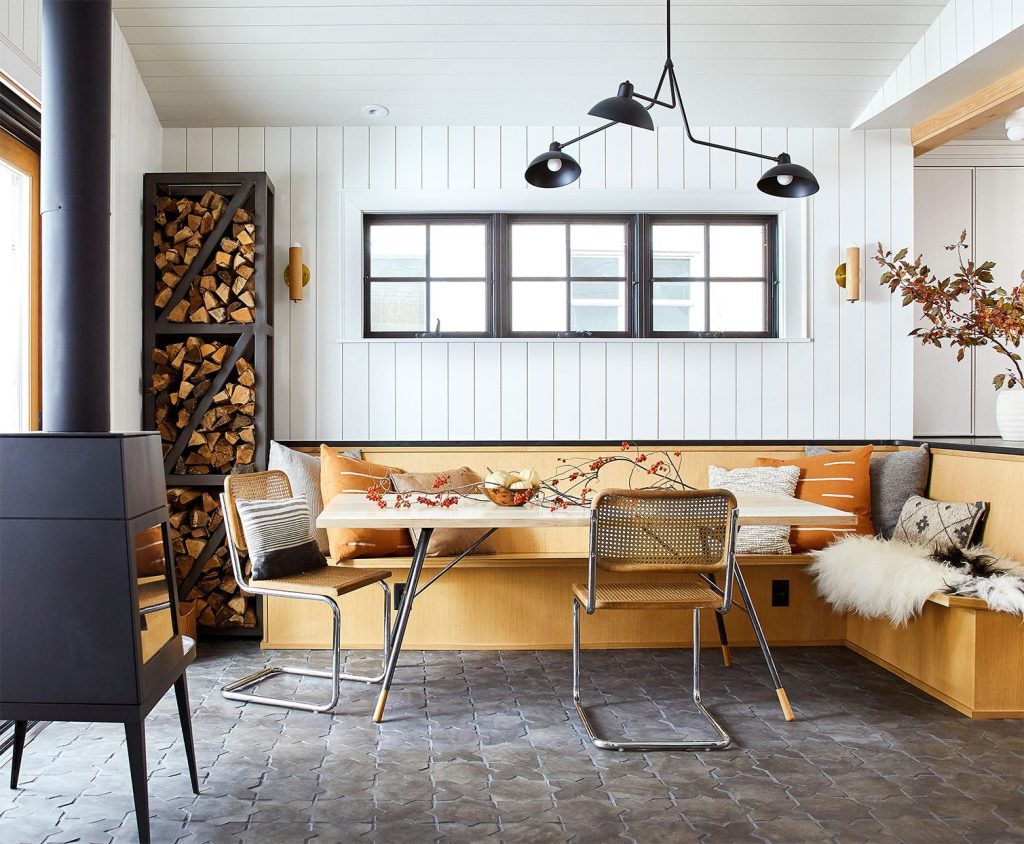
Organic modern interior design is essentially a balance: modern simplicity + nature-inspired elements. Think clean,
streamlined silhouettes paired with materials that look like they came from the earthwood, stone, leather, linen,
clay, juteplus a warm neutral palette that doesn’t feel icy.
The magic isn’t in buying “organic modern” stuff. It’s in how you mix: smooth with rough, crisp with cozy, and sleek
with imperfect. A curved sofa beside a live-edge coffee table. A minimalist kitchen with warm wood accents. A neutral
room that’s still interesting because it’s layered with texture.
The Organic Modern “Formula” (So You Can Spot It Anywhere)
- Color: warm whites, creamy beiges, soft taupes, earthy browns, and gentle greens
- Materials: natural wood tones, stone, linen, cotton, wool, leather, rattan, ceramics
- Shapes: a mix of clean lines and organic curves (rounded edges, sculptural forms)
- Texture: layered textiles and tactile finishes that add depth without clutter
- Editing: fewer, better piecesspace to breathe, but not sterile emptiness
- Nature: daylight, greenery, and materials that feel grounded and calming
Step-by-Step: How to Get the Look Without Starting a Renovation Spiral
1) Start with a warm neutral base (not a “sad gray” situation)
Organic modern decor usually begins with a calm foundation: warm whites and soft neutrals. If your current walls are
icy gray, you don’t need to repaint the whole universestart by warming the room with textiles, wood tones, and
lighting. If you do paint, choose whites that read creamy rather than stark, and test them morning and night (paint
colors love to shapeshift like they’re auditioning for a superhero movie).
Pro move: keep the base quiet, then add depth through tones (sand, oat, camel, mocha) rather than busy patterns.
This keeps the “modern” part looking crisp while the “organic” part brings warmth.
2) Pick one hero natural material and repeat it 2–3 times
Organic modern style looks intentional because it repeats materials. Choose a “lead actor” like oak, walnut, travertine,
limestone, or warm leatherthen echo it across the room.
Example: If you have a light oak coffee table, repeat that tone in a picture frame, a bench, or open shelving. If you
love stone, bring it in with a side table, a lamp base, or a tray. Repetition creates cohesion; cohesion creates calm.
3) Layer texture like you’re making the world’s coziest lasagna
Organic modern interiors rarely rely on loud color. They rely on texture. Mix:
nubby (bouclé, wool), smooth (cotton, linen), woven (jute, rattan),
and hard (stone, wood, metal). The contrast keeps a neutral palette from falling flat.
Quick living room recipe: a jute rug + linen curtains + a wool throw + a ceramic lamp + a wood table.
Suddenly your “neutral” room has depth, personality, and a pulse.
4) Use curves strategically (you’re not decorating a spreadsheet)
Modern design brings structure. Organic shapes soften it. A rounded coffee table, arched floor mirror, curved
sofa, or sculptural vase can make a room feel warmer without getting busy.
If you’re nervous about curves, start small: swap one item (like a rectangular tray) for a round one, or add a
lamp with a gently rounded shade. A little curve goes a long way.
5) Keep decor minimal, but not joyless
Organic modern style isn’t about empty surfacesit’s about intentional surfaces. Instead of scattering 14 tiny
objects, create a few grounded groupings:
- A stack of books + one sculptural object (wood, stone, ceramic)
- A simple bowl or tray to corral everyday items
- One piece of oversized art that sets the mood
The goal is “curated,” not “museum.” Your home can be beautiful and still allow snacks.
6) Light it like you want to look good in it
Overhead lighting alone can turn even a gorgeous room into a slightly haunted office. Organic modern homes feel warm
because they layer lighting:
- Ambient: ceiling fixture or recessed lights (soft, not surgical)
- Task: reading lamps, under-cabinet lighting, desk lamps
- Accent: sconces, picture lights, or a small lamp on a shelf
Look for shades in linen, paper, or softly tinted glass, plus finishes like blackened metal or warm brass to keep the
look modern but inviting.
Room-by-Room Organic Modern Ideas
Living Room: clean base, cozy layers
- Sofa: simple silhouette in a warm neutral upholstery (linen-look fabrics work great)
- Rug: jute, wool, or a low-contrast pattern that reads calm from across the room
- Tables: wood + stone mix (even one stone accent feels elevated)
- Accessories: ceramic vases, a carved wood bowl, a couple of oversized books
- Color accents: muted greens, terracotta, deep navy, or matte black for contrast
Example: Pair a streamlined sofa with a live-edge or oval wood coffee table and a chunky knit throw.
The room stays sleek, but it doesn’t feel like it’s judging your posture.
Kitchen: modern lines, organic warmth
Kitchens are naturally “modern” because they’re functional. Add organic warmth with wood tones, tactile finishes,
and simple styling.
- Swap shiny hardware for warm metals or matte black
- Add wood stools or a wood island accent
- Use a stone or stone-look surface for a grounded feel
- Style the counter with one cutting board, one ceramic crock, and one bowl (not a clutter parade)
Bedroom: calm, layered, and quietly luxe
- Bedding: crisp cotton sheets + linen duvet + a textured throw (wool, waffle knit)
- Bed frame: simple wood, upholstered, or low-profile platform style
- Nightstands: warm wood or a mixed material (wood + stone top)
- Lighting: soft lamps with linen shades; consider wall sconces for a clean look
Keep the palette gentle, but add interest through texture. If your bedroom feels flat, it’s not begging for neon.
It’s begging for linen.
Bathroom: spa energy, not hotel sterility
- Use stone, stone-look tile, or warm-toned surfaces to soften “all-white everything”
- Add wood: a stool, a bath tray, or shelving
- Bring in texture: waffle towels, a natural fiber basket
- Choose simple accessories in ceramic or matte finishes
Organic modern bathrooms often feel spa-like because they avoid visual chaos. Aim for a few strong materials, repeated,
with room for the eye to rest.
Entryway: one moment of calm before life happens
- A simple console (wood or stone-top) + a round mirror
- A catchall bowl for keys so they stop living “wherever”
- A woven basket for shoes or bags
- A small lamp so the space feels warm at night
How to Make Organic Modern Look Expensive (Even If Your Budget Isn’t)
Choose fewer pieces, but make them count
Organic modern style looks high-end when it’s not overfilled. Spend (or splurge secondhand) on one or two anchors:
a great rug, a comfortable sofa, or a statement light. Then keep everything else simple and cohesive.
Go big on artquietly
One oversized piece of art can replace a dozen small, random frames. Look for abstract landscapes, line drawings,
textured pieces, or photography with natural tones. Bonus points if the frame is warm wood or matte black.
Mix “smooth modern” with “imperfect organic”
This is the secret handshake. If everything is sleek, the room feels cold. If everything is rustic, the room loses
the modern edge. Combine a streamlined sofa with a hand-thrown ceramic lamp. Pair flat-front cabinetry with a textured
backsplash. Let contrast do the heavy lifting.
Common Mistakes (So You Don’t Accidentally Decorate in “Beige Panic”)
- Going too monochrome: If everything is the same beige, your room can look unfinished. Add contrast with wood variation, black accents, or deeper earth tones.
- Skipping texture: Neutrals need texture to feel intentional. If your room feels bland, add linen, wool, jute, ceramic, and wood grain.
- Over-decorating shelves: Organic modern shelves breathe. Leave negative space and group items in odd numbers.
- Buying “trend bundles”: A room looks more organic when a few pieces feel collected or handcrafted, not all purchased in one adrenaline-fueled cart session.
- Cold lighting: The fastest way to ruin a warm modern home is harsh bulbs. Use warm, soft lighting wherever possible.
Budget-Friendly Organic Modern Upgrades You Can Do This Weekend
- Swap pillow covers: linen, cotton, or textured neutrals instantly warm a sofa
- Add one natural fiber rug: jute or a wool blend creates grounded warmth
- Replace one lamp shade: linen or paper shades soften the whole room
- Bring in a ceramic piece: a vase or bowl adds “organic” without clutter
- Curate your surfaces: remove half, group what’s left, and let space do its thing
- Introduce greenery: one large plant often looks more modern than many tiny ones
Experience-Based Notes: of “What People Learn After Actually Living With Organic Modern Style”
Here’s the part no one tells you in a pretty photo: organic modern style is less about “buying the look” and more
about adjusting how you make decisions. Homeowners who try it usually report the same few aha momentsoften right
after they realize their old decor habit was “adding more” instead of “choosing better.”
First, people discover that comfort is a design feature, not an afterthought. A sleek chair that’s
miserable to sit in will never feel warm, no matter how expensive it was. Organic modern rooms tend to win long-term
because they prioritize livability: soft throws where you actually reach for them, rugs that feel good underfoot,
lighting that makes your face look like you slept, and seating that invites people to stay.
Second, many learn that texture does the job color used to do. Folks who previously relied on bold
paint or busy patterns often find they don’t miss them once the room is layered properly. A room with linen curtains,
a wool rug, a wood table, a ceramic lamp, and a woven basket can feel richer than a room with five accent colors and
zero texture. It’s like switching from loud music to a really good playlistyou still feel something, it’s just
calmer.
Third, organic modern style has a sneaky side effect: it makes clutter look louder. When your palette
is quiet and your surfaces are edited, a pile of mail becomes a dramatic visual monologue. People often end up
improving storage (pretty baskets, trays, closed cabinets) not because they’re suddenly neat freaks, but because the
style makes “random stuff” stand out more. The good news: once you add a catchall bowl and a couple of baskets, the
house feels calmer in a very real-life way.
Fourth, there’s usually a lesson in patience. Organic modern spaces look best when they feel slightly
collected: a vintage stool here, a handmade vase there, a piece of art you didn’t buy because it matched the couch
but because you actually liked it. People who rush and buy everything at once often end up swapping items later.
The homeowners who love their results tend to build the room in layers, living with it and adjustingalmost like
letting the home tell you what it needs next (without it getting too chatty).
Finally, many realize that “warm” is not just a color temperatureit’s a feeling. When organic modern is done well,
people describe their home as restful, easy, and grounded. It’s the kind of space where you
can host friends without panic-cleaning every corner, because the style is naturally forgiving. It’s sleek, yesbut
it also has a pulse. And that’s the whole point.
Conclusion: Your Sleek-but-Warm Organic Modern Game Plan
Organic modern style works because it respects both sides of real life: you want a home that looks polished, but you
also want it to feel welcoming. Start with warm neutrals, repeat natural materials, layer textures, add a few curves,
and keep decor edited and intentional. Use lighting and greenery to soften the edges, and let contrastsmooth with
imperfectcreate the balance.
If you remember one thing, make it this: organic modern design isn’t about having less. It’s about having the right
thingsso your home feels calm, elevated, and actually enjoyable to live in.
