
The Original Brown Betty Teapot
Th5
Some kitchen objects shout for attention. They sparkle, chirp, beep, steam, flash, and occasionally demand a software update before breakfast. The original Brown Betty teapot does none of that. It sits there, round and glossy, looking like a chocolate drop with a handle. Then it quietly brews a pot of tea so good that generations of tea drinkers have forgiven it for being, well, aggressively brown.
The Brown Betty teapot is one of those rare household classics that became famous not because it was fancy, expensive, or covered in delicate flowers, but because it worked. Its round body, red Staffordshire clay, and deep Rockingham brown glaze turned it into a dependable tea-brewing legend. For anyone interested in traditional teaware, British pottery, loose-leaf tea, or simply a better cup of black tea, the original Brown Betty teapot deserves more than a polite nod from the cupboard.
What Is the Original Brown Betty Teapot?
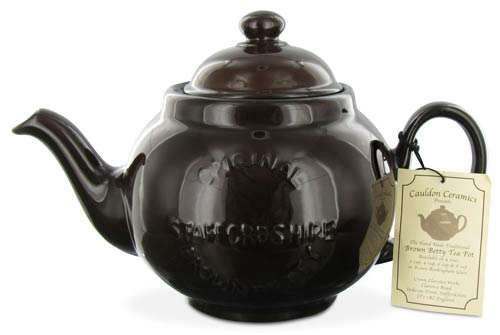
The original Brown Betty teapot is a traditional English teapot associated with Stoke-on-Trent in Staffordshire, England. Its most recognizable features are a rounded body, a rich brown glaze, and a sturdy, practical shape designed for everyday tea drinking. It is not a dainty drawing-room ornament that trembles when someone says “dishwasher.” It is a working teapot.
A true Brown Betty is commonly linked with two defining materials: red clay from the Staffordshire region and a glossy brown Rockingham-style glaze. The clay gives the pot its substance and heat-retaining reputation, while the glaze creates that deep, streaky, almost molasses-like finish. Together, they make the Brown Betty teapot feel warm, humble, and oddly charismatic, like a kitchen aunt who always knows where the biscuits are hidden.
A Short History of the Brown Betty Teapot
The story of the Brown Betty begins with the rise of tea culture in Britain and the development of Staffordshire pottery. During the late 17th and 18th centuries, tea drinking became increasingly fashionable in Europe. Chinese teapots, especially Yixing-style red clay teapots, influenced European potters, who began experimenting with local clays and new ceramic techniques.
Staffordshire was perfectly positioned for pottery production. The area had clay, coal, skilled labor, and a growing manufacturing culture. Dutch brothers John Philip and David Elers helped pioneer refined red stoneware in Staffordshire around the 1690s, producing pieces inspired by imported Chinese teaware. While the Brown Betty as we know it evolved later, this redware tradition helped set the stage for the teapot’s development.
By the 18th and 19th centuries, teapots were no longer only luxury objects. Tea moved into ordinary homes, and people needed pots that were affordable, durable, and efficient. The Brown Betty answered that call with a cheerful lack of pretension. It did not need gold trim or porcelain drama. It needed to hold heat, pour well, and survive breakfast.
Why the Brown Betty Shape Matters
The Brown Betty’s round body is not just cute. It is useful. The generous belly gives tea leaves room to expand and swirl as hot water circulates through the pot. This movement helps extract flavor evenly from loose-leaf tea. In simple terms, the leaves get to stretch their legs. Nobody makes their best work while cramped in a corner, including Earl Grey.
The rounded form also supports heat retention. A compact, bulbous teapot tends to keep tea warm better than a thin, angular vessel with lots of exposed surface area. That matters when making multiple cups. The Brown Betty was designed for real tea sessions, not one lonely splash of hot water and a dramatic sigh.
The Spout, Handle, and Lid
A good teapot is judged by its pour. The Brown Betty has traditionally been valued for a steady, practical pour, though quality can vary depending on age and maker. Its handle is large enough to grip comfortably, and the lid is meant to sit securely while tea is served. Some modern versions include improved non-drip spouts, locking lids, or infuser baskets, but the essential idea remains the same: make tea easy, not theatrical.
What Is Rockingham Glaze?
Rockingham glaze is the brown glaze closely associated with the Brown Betty teapot. It produces a glossy, dark brown finish that can appear streaked, mottled, or richly uneven. That variation is part of its charm. A Brown Betty does not look machine-perfect; it looks fired, dipped, used, and loved.
The glaze is also practical. Brown glaze hides tea stains better than pale ceramic. That may not sound glamorous, but anyone who has scrubbed tannin marks from a white teapot knows this is not a small advantage. The Brown Betty understood kitchen reality long before “low-maintenance lifestyle” became a marketing phrase.
Why Tea Drinkers Still Love the Brown Betty
The original Brown Betty teapot remains popular because it performs the basic job beautifully. It brews strong black tea, holds warmth, and brings a sense of ritual without making the ritual fussy. It is particularly well suited to English breakfast tea, Assam, Ceylon, Earl Grey, and other black tea blends often enjoyed with milk.
There is also an emotional quality to the Brown Betty. It feels domestic in the best sense. It suggests toast racks, rainy windows, cardigans, old cookbooks, and someone saying, “I’ll put the kettle on,” which is often British for “Everything is terrible, but we shall survive.”
Loose-Leaf Tea and the Brown Betty
Loose-leaf tea is where the Brown Betty shines. Add warmed water to the pot first, swirl it, pour it out, then add tea leaves and freshly boiled water. The prewarming step helps the teapot maintain brewing temperature. A common starting point is one teaspoon of tea per cup, plus one extra teaspoon for the pot, though modern tea drinkers may adjust based on leaf size, tea strength, and personal bravery.
Let black tea steep for about three to five minutes, depending on the blend and desired strength. Then pour through a strainer if the pot does not have an infuser. The Brown Betty is not complicated. It rewards attention, not perfectionism.
How to Identify an Authentic Brown Betty Teapot
Because the Brown Betty style has been widely copied, buyers often wonder what makes one authentic. Generally, look for a teapot made in England, especially in Staffordshire, with red clay and Rockingham brown glaze. Many current authentic examples are associated with makers such as Cauldon Ceramics or Adderley Ceramics. Vintage examples may bear marks from older Staffordshire potteries, including Sadler and other historic names.
The base stamp matters. A teapot marked “Made in England,” “Original Betty,” or with a known Staffordshire maker is more promising than an unmarked pot with a generic brown glaze. However, collectors should be careful: age, condition, clay color, maker marks, and shape all matter. A brown teapot is not automatically a Brown Betty, just as wearing sunglasses does not automatically make someone a movie star.
Original vs. Brown Betty Style
Many teapots are described as “Brown Betty style.” That can mean they borrow the round shape and brown color but may not use the traditional Staffordshire red clay or Rockingham glaze. These pots may still be useful, attractive, and perfectly good for tea. They simply should not be confused with an original Staffordshire Brown Betty.
Vintage Brown Betty Teapots: What Collectors Notice
Vintage Brown Betty teapots are popular among collectors because they represent everyday design history. Unlike museum-only ceramics that seem allergic to human touch, the Brown Betty was made to be used. A vintage piece may show wear on the base, small glaze variations, or signs of decades of service. These marks often add character.
Still, practical caution is important. Check for cracks, chips near the spout, glaze damage inside the pot, and lid fit. A hairline crack may turn a charming teapot into a charming leak. If buying online, ask for photos of the base, interior, lid, spout, and handle. The handle is especially important because no one wants tea time to become a surprise physics lesson.
How to Care for a Brown Betty Teapot
Caring for a Brown Betty is refreshingly simple. Rinse it with warm water after use, avoid harsh abrasives, and let it dry thoroughly with the lid off. Many tea lovers avoid strong dish soap inside traditional teapots because lingering scent can interfere with tea flavor. A soft cloth or sponge is usually enough.
Do not place a Brown Betty directly on a stovetop burner. It is a teapot, not a kettle. Boil water separately, then pour the water into the warmed pot. Sudden temperature shock can damage ceramic, so avoid pouring boiling water into a cold pot straight from a chilly cupboard if you can help it. Give Betty a warm-up. She has earned it.
Should You Put It in the Dishwasher?
Handwashing is the safer choice, especially for vintage or handmade teapots. Dishwashers can be rough on glazes, and repeated heat cycles may shorten the life of older ceramics. Modern versions may have different care instructions, but when in doubt, treat the Brown Betty like a beloved old book: use it often, but do not throw it into a machine and hope for the best.
Best Teas to Brew in a Brown Betty
The Brown Betty teapot is most closely associated with black tea. It is ideal for robust blends that benefit from steady heat and full extraction. English Breakfast, Irish Breakfast, Assam, Ceylon, Darjeeling second flush, and Earl Grey are all excellent choices. Add milk if you like. The teapot will not judge you, although some people on the internet might.
You can also use a Brown Betty for herbal infusions or flavored teas, but be aware that strong aromas may linger. If you regularly brew peppermint, chai, or smoky lapsang souchong, the pot may begin to remember. For delicate green teas or white teas, a smaller porcelain or glass pot may give you more control over lower water temperatures.
Why the Brown Betty Is a Design Classic
The Brown Betty’s genius lies in its lack of vanity. It is a classic example of form following function. The material, shape, glaze, handle, lid, and spout all exist to serve the tea. Over time, that usefulness became beautiful. This is the kind of design that does not need to announce itself because it has already survived centuries of breakfast tables.
Modern designers have revisited the Brown Betty because it shows how everyday objects carry cultural memory. It connects global tea history, Chinese ceramic influence, English industrial pottery, domestic ritual, and modern collecting. That is a lot for one brown pot to carry, but the Brown Betty has broad shoulders. Well, broad sides.
Buying Guide: Choosing the Right Brown Betty
When shopping for an original Brown Betty teapot, start with size. A two-cup pot is perfect for one person who wants a generous refill. A four-cup pot suits two people. A six-cup or eight-cup pot is better for family breakfasts, afternoon tea, or households where “just one cup” is a charming lie.
Next, check the maker and country of origin. Look for English-made teapots using red clay and Rockingham brown glaze. If the seller mentions Staffordshire, Cauldon, Adderley, or “Original Betty,” that is worth investigating. For vintage teapots, ask about condition and markings. For modern teapots, read care instructions and confirm whether the pot includes an infuser.
Finally, choose the pot you will actually use. A Brown Betty hidden behind glass is still lovely, but its natural habitat is the table. It wants steam, tea leaves, cups, conversation, and maybe a plate of cookies pretending to be “for guests.”
Experiences With the Original Brown Betty Teapot
The first experience many people have with a Brown Betty is surprise. It looks so simple that expectations stay modest. Then the tea comes out hot, rounded, and deeply satisfying, and suddenly the humble brown pot starts looking suspiciously brilliant. It is the ceramic version of someone who says very little in a meeting and then delivers the one sentence that solves everything.
Using a Brown Betty changes the pace of tea. A mug with a teabag is fast and perfectly respectable, especially on a busy morning. But a Brown Betty asks for a few extra minutes. You warm the pot. You measure the leaves. You wait while the tea steeps. You pour. The process makes tea feel less like a beverage and more like a small ceremony that did not require buying a gong.
One of the best things about the Brown Betty is how well it suits shared tea. A four-cup pot on the table makes conversation easier. Nobody has to keep jumping up to reboil water. The tea stays warm long enough for a second cup, which is often when the better stories begin. The first cup is for weather, work, and polite updates. The second cup is when someone admits the dog ate half a birthday cake or that the neighbor’s new garden statue looks like a haunted turnip.
The Brown Betty is also forgiving. It does not require a perfect tea setup. It works in a farmhouse kitchen, a city apartment, a dorm room, or a quiet office corner. Pair it with a proper tea cozy and it becomes almost unstoppable. Pair it with mismatched mugs and it still looks charming. Pair it with biscuits and suddenly everyone believes you have your life together.
For collectors, the experience is different but equally satisfying. Hunting for a vintage Brown Betty can feel like detective work. You turn the pot over, inspect the base mark, examine the glaze, look for chips, and try not to appear too excited in front of the seller. The thrill is not only in finding something old; it is in finding something ordinary that survived. A Brown Betty may have sat through decades of breakfasts, family arguments, rainy Sundays, and quiet evenings. That history gives the object warmth before the kettle is even boiled.
For daily users, the main pleasure is consistency. A Brown Betty does not need to reinvent tea. It simply helps tea be tea: hot, flavorful, comforting, and generous. In a world full of gadgets promising revolutionary results, there is something refreshing about a teapot whose best feature is that it has been doing its job well for a very long time.
Conclusion
The original Brown Betty teapot is more than a brown ceramic pot. It is a piece of tea history, a product of Staffordshire pottery skill, and a practical design that continues to earn its place in modern kitchens. Its red clay body, Rockingham glaze, rounded shape, and reliable brewing performance explain why it has remained beloved for generations.
Whether you are a loose-leaf tea beginner, a vintage teapot collector, or someone who simply wants tea that stays warm through a proper conversation, the Brown Betty is worth knowing. It is humble, sturdy, useful, and quietly beautiful. In other words, it is exactly what a great teapot should be.
