
The Peeta-siks (The Hunger Games & Hunger Names)
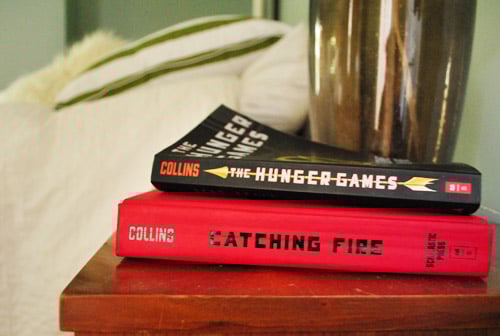
Th2
In Panem, nothing is accidentalnot the outfits, not the propaganda, and definitely not the names. Suzanne Collins built a world where a single word can carry a whole backpack of meaning: food, survival, class, history, and a little wink at the reader.
And then the internet did what the internet does: it grabbed those names, shook in some chaos, and poured out a snackable new hobbyHunger Names. If you’ve ever read “Peeta” and immediately thought “pita,” congratulations. You’re already halfway to becoming a full-fledged Peeta-sik.
So… what are “Peeta-siks”?
“Peeta-siks” is a delightfully nerdy example of what happens when fandom meets wordplay. It’s a punny twist on Peeta (the baker’s son with the world’s most accidentally bread-adjacent name) fused with a surname-style endinglike you’ve joined a tiny, unofficial District of people who can’t stop hearing carb jokes in every Capitol broadcast.
The term popped up in a well-loved early-2010s blog post that basically captured the first big wave of Hunger Games fever: binge-reading, going to the movie, and then immediately testing whether your own name could survive a reaping… linguistically speaking. From there, “Hunger Names” became a mini-genre: generators, memes, fan handles, pet names, group chat nicknames, and the occasional sourdough starter baptized with unnecessary seriousness.
In other words, “Peeta-siks” isn’t about replacing canon. It’s about playing with itbecause the series is dark, and humor is one of the oldest survival tools we’ve got. (Right after “fire,” “water,” and “don’t trust the Capitol.”)
Why Hunger Games names hit different
The Hunger Games world is built on contrast: the Capitol’s excess versus the districts’ scarcity, spectacle versus survival, surface glamour versus real damage. Names quietly reinforce those contrasts.
Some names feel earthy and practicallike they were picked by families who know which plants are edible, which ones heal, and which ones you don’t touch unless you’re trying to speedrun your own tragedy. Others sound like they walked out of a Latin textbook wearing designer lashes.
That split is not random. It’s part of how Panem signals class, power, and identitybefore any character even speaks. And because the names are so distinctive, they’re perfect raw material for jokes, generators, and “what would my Panem name be?” spirals at 1:00 a.m.
Katniss, Prim, Rue: when survival is literally botanical
The most famous example is also the most on-the-nose (in the best way): Katniss. Collins has explained that the name came from research into survival training and edible plants. “Katniss” refers to an arrowhead plant (genus Sagittaria), known for arrow-shaped leaves and edible tubers. It’s the kind of plant that turns “I’m hungry” into “I’m not dead yet,” which is basically the District 12 mission statement.
Even the science has attitude: Sagittaria is tied to the Latin root for “arrow.” So the heroine with the bow is, in a very literal sense, named after an arrow-shaped plant. It’s subtle in the way a spotlight is subtle.
Primrose: softness with a spine
Primrose (aka Prim) sounds gentle because it is. It’s a flower name with “first” baked in: commonly linked to the Latin root primus (“first”). In the story’s emotional math, Prim is “first” in Katniss’s priorities, the person she protects before she protects herself.
But flower names in The Hunger Games aren’t just pretty. They’re reminders of what the Capitol tries to crush: tenderness, family, and ordinary beauty that has nothing to do with performance.
Rue: a name that carries grief in both hands
Rue is one of the sharpest examples of a name doing double duty. It’s a plant name (an herb), and it’s also a word tied to regret. That collisionliving, green, small… and then heartbreakfits the character’s role with brutal precision.
If you’ve ever finished the first book and felt personally offended by the existence of emotions, yes. The name is part of why it lands so hard.
Panem, “bread and circuses,” and the politics hiding in plain sight
The country’s name, Panem, points straight at the Roman idea of keeping people quiet with food and entertainment: “bread and circuses.” That theme is basically the Hunger Games brand strategyspectacle as control.
Once you notice the Rome echoes, you can’t unsee them. Capitol and high-status names often feel classical: Caesar, Seneca, Cato, Plutarchnames that sound like they belong on statues, not in group chats. It’s one more way Panem sells the illusion of civilization while running a televised child death match.
And here’s the sly part: when the fandom turns those heavy, historical, power-coded names into jokes and generators, it’s not just comedy. It’s also a small act of defiancetaking the Capitol’s “seriousness” and turning it into something regular people can play with.
From Peeta to pita: why the bakery boy became a meme magnet
Peeta Mellark is introduced as the baker’s son from District 12, and bread becomes one of the story’s earliest symbols of survival and unexpected mercy. So yes, fans have long noticed that “Peeta” sounds a lot like “pita,” which is an extremely on-brand coincidence for a character whose life is basically a cycle of danger → tenderness → more danger → emotional damage → still tenderness.
Is the name a confirmed bread pun? The books don’t pause to wink directly at the camera. But the effect is the same: the sound of the name reinforces his identitywarmth, food, steadiness the stuff that keeps people alive when the world is trying to make them into entertainment.
That’s why “Peeta-siks” works as a fandom joke: it’s affectionate, it’s ridiculous, and it’s weirdly accurate. The moment you start calling your chips “tributes,” you’re already too far gone. Enjoy your stay.
Hunger Names: the fandom’s unofficial sport
Hunger Names are the playful, chaotic cousin of “character analysis.” Instead of asking, “What does this name symbolize?” the Hunger Names approach asks, “What if my name sounded like it belonged in Panemand what horrible, oddly specific fate would I meet?”
This is where the name generators come in. One of the best-known sites from the early movie era generated a full Panem identity: name, district, Hunger Games number, and a method of death that ranged from “tragic” to “who wrote this and should we check on them?” (Dark humor has always been a fandom coping mechanism.)
The appeal is simple:
- It’s participatory. You don’t just read Panemyou join it for 30 seconds.
- It’s social. People compare results like they’re trading Pokémon cards, but with more doom.
- It highlights the naming logic. You start noticing patternsnature, classics, sparkle, brutality.
A quick field guide to Hunger Games-style names
If you want to understand why Hunger Names feel “right,” it helps to look at the ingredients. Here’s a practical, non-Capitol-approved cheat sheet.
1) Nature names (district-coded, grounded, survival-adjacent)
These names feel like they came from a world where people notice plants because plants matter. Examples: Katniss, Primrose, Rue, Gale.
2) Classical names (Capitol-coded, power-adjacent, Rome-flavored)
These names feel ceremonial and political. They signal hierarchy and history: Caesar, Seneca, Cato, Plutarch.
3) Shiny names (status-coded, fashion-forward, sometimes intentionally absurd)
Names like Glimmer, Cashmere, Glosswords that sound like products because the Capitol treats people like products.
4) Nickname chemistry (where “Peeta-siks” lives)
This is the fan playground: blending canon sounds with everyday words, snacks, last names, and inside jokes. If it makes you laugh and doesn’t summon the Peacekeepers, it counts.
| Name Type | Vibe | Easy Examples |
|---|---|---|
| Nature | Grounded, survival, district life | Sage, Rowan, Juniper, Rue |
| Classical | Power, spectacle, Capitol energy | Octavia, Cassius, Aurelia, Cato |
| Shiny | Luxury, branding, “look at me” | Glimmer, Velvet, Satin, Goldie |
| Peeta-sik | Pun-first, snack-friendly, fandom-coded | Peeta-siks, Katnibbles, Gale-kale |
Do Hunger Games names show up in real life?
Yesespecially in the “I’m naming a pet / username / group chat” category, where consequences are minimal and the joy-to-effort ratio is elite.
Baby names are rarer, but they exist. After the films hit, reporting and name-analysis sites noted that Katniss started appearing as an actual given name in the U.S.small numbers, but enough to prove that some parents looked at dystopian archery trauma and said, “Beautiful. No notes.”
More commonly, the influence shows up in “adjacent” choices: names like Finnick, Primrose, or Rue, which feel plausible even if you never watched a single arena recap.
Conclusion: a name can be a weapon, a promise, or a jokeand Panem uses all three
The brilliance of The Hunger Games naming is that it works on multiple levels at once: story, symbolism, class, history, and sound. Katniss is survival. Primrose is tenderness. Rue is grief. Panem is propaganda. And Peetaintentionally or notsounds like something you could dip in hummus.
“Peeta-siks” and Hunger Names aren’t distractions from the series. They’re proof the world feels real enough to play in. Fandom takes the Capitol’s obsession with spectacle and flips it into community: jokes, nicknames, and little sparks of creativity that belong to the people, not the screen.
So go ahead. Generate a Hunger Name. Rename your snack. Start a group chat called “District Brunch.” If Panem taught us anything, it’s that stories can be used to control… or to connect.
of Experiences With “Peeta-siks” and Hunger Names
Here’s the funny thing about Hunger Names: you don’t need to be a “cosplay every premiere” superfan to fall into them. They sneak into normal life the way a catchy song doesquietly, then all at once. Someone says “pita,” and your brain goes “Peeta,” and suddenly you’re emotionally invested in a sandwich. That’s the Peeta-sik lifestyle: harmless, specific, and slightly embarrassing in the most charming way.
A lot of fans describe the same little pattern: the names start as recognition (“Wait… Katniss is a plant?”), then become association (“Rue is a word and a plant, and now I’m sad again”), and finally turn into languageshared shorthand with other people. In text threads, “May the odds…” becomes a way to wish someone luck on a job interview. “District 12 energy” becomes code for showing up under-caffeinated but determined. A friend who always brings snacks to road trips gets promoted to “mentor.” Someone who insists on reading the book first is “training.”
Then there’s the generator experiencethe modern equivalent of trying on Halloween masks, except the masks are names like “Oregano Something-or-Other” and the costume comes with an absurdly detailed method of doom. People share results the way they share personality quizzes: partly for laughs, partly because it’s weirdly revealing which district you secretly want, and partly because it’s a low-stakes way to join a big cultural conversation. Even the dark humor has a purpose: it takes the story’s heaviness and gives you a safe, silly outlet. You’re not laughing at the characters; you’re laughing with other fans at the ridiculousness of a world that packages suffering as entertainment.
The “Peeta-siks” momentturning a name into a punoften becomes a gateway to noticing the series more closely. Once you start joking about Peeta/pita, you start noticing how much food language is baked into the story: bread as mercy, feasts as control, scarcity as a weapon. The humor doesn’t erase the meaning; it actually highlights it. That’s why fans keep returning to the names. They’re compact, memorable, and loadedlike tiny verbal mockingjay pins.
And if you’ve ever caught yourself naming a plant “Prim,” a cat “Katniss,” or a sourdough starter “Peeta,” you’ve learned the secret: the best fandom experiences aren’t always the big ones. Sometimes it’s just a small, shared laughone that reminds you stories don’t end at the last page. They keep living in the words we borrow.
