
The Perfect Substitute for Evaporated Milk
Th3
You’re halfway through a recipe, your kitchen smells like victory, and then… it happens: the ingredient list whispers, “1 can evaporated milk,” and your pantry responds with silence. Don’t worrythis isn’t a culinary tragedy. It’s a plot twist.
The good news: there are several excellent evaporated milk substitutes, and the “perfect” one depends on what you’re making. A pumpkin pie custard needs a different backup plan than a creamy soup or your morning coffee. Let’s fix your recipe (and your mood) with options that actually work.
What Evaporated Milk Is (and Why Recipes Love It)
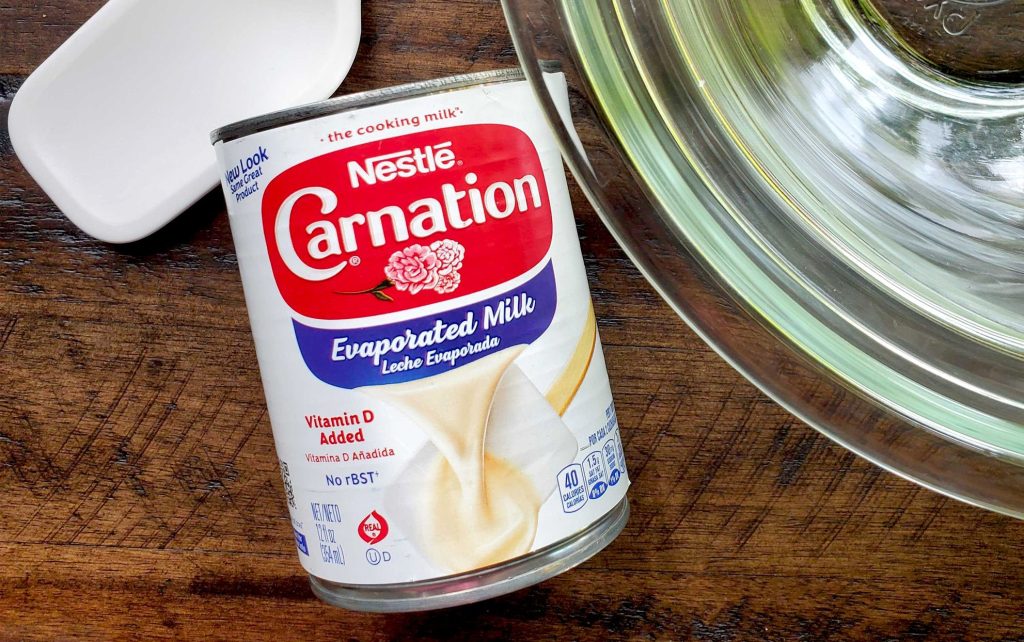
Evaporated milk is basically regular cow’s milk that’s been gently cooked down so that roughly about 60% of its water is removed. The result is thicker, creamier, slightly “cooked” tasting milk that behaves beautifully in both sweet and savory recipes.
That concentrated structure is why evaporated milk is a quiet MVP in things like custards, pies, and silky sauces. It’s also why it’s more stable in heat than regular milk in some applicationshello, smoother mac and cheese.
Important: Evaporated Milk Is Not Sweetened Condensed Milk
They look like twins on the grocery shelf, but one of them is basically milk, and the other is milk plus a whole personality made of sugar. Sweetened condensed milk is… sweet, and swapping it into a savory recipe will turn your dinner into dessert (and not in a cute way).
How to Choose the “Perfect” Evaporated Milk Replacement
Before you grab the closest white liquid in your fridge, ask two quick questions:
- Do I need thickness? (Custards and pies: yes. Coffee: not as much.)
- Do I need dairy-free? (If yes, your best choices shift fast.)
Then think about what evaporated milk is doing in your recipe: adding creaminess, reducing wateriness, and helping texture stay smooth. Your substitute should do the same jobeven if it shows up wearing a different outfit.
The Best Substitutes for Evaporated Milk (Ranked by Usefulness)
1) Half-and-Half (Best “Open the Fridge and Win” Option)
If your recipe needs evaporated milk and you want the closest ready-to-pour substitute, pick half-and-half. It’s rich, creamy, and usually swaps in without drama.
How to use it: Replace evaporated milk 1:1. Expect a slightly richer result, which is rarely a problem in the real world.
2) Homemade Evaporated Milk (Best for Baking Accuracy)
Want the closest match to the real thing? Make it. This is the “I don’t have it, but I refuse to be defeated” method. It’s especially good for custards, pies, and anything where thickness matters more than convenience.
- Pour 2 1/4 cups of milk (whole or 2% works) into a saucepan.
- Heat until it just reaches a gentle boil, then reduce to a steady simmer.
- Stir often and simmer until it reduces to 1 cup (usually around 20–30 minutes).
- Cool before using in most baking recipes.
Pro tip: Stir frequently to prevent a skin from forming and to avoid scorchy “milk confetti” on the bottom of your pan.
3) Heavy Cream (Best for Ultra-Rich Results)
Heavy cream is thicker and fattier than evaporated milk, so it makes recipes richer. It’s great for soups, sauces, and desserts where extra richness is welcome.
How to use it: Replace evaporated milk 1:1. If you’re worried about it becoming too heavy, cut it with a splash of milk.
4) DIY “Almost Evaporated Milk” (Milk + Half-and-Half)
If you want a closer match than straight milk but don’t want to simmer anything, this is a smart middle path. It mimics evaporated milk’s body better than plain milk.
How to use it (for 1 cup evaporated milk): Mix 3/4 cup whole milk + 1/4 cup half-and-half.
5) Whole Milk (Best “In a Pinch” Option, but Not Always Perfect)
Yes, you can use regular milk. But remember: evaporated milk is concentrated, and regular milk brings more water to the party. That can thin custards and sauces.
How to use it: Substitute 1:1 in forgiving recipes (soups, casseroles, some batters). For pies and custards, consider simmering it down for a few minutes firstor choose half-and-half instead.
6) Powdered Milk Concentrate (Best Pantry Hero)
Powdered milk isn’t just for emergency situations and questionable childhood memories. When you reconstitute it with less water than usual, you get a thicker milk that performs a lot like evaporated milk.
How to use it: Reconstitute powdered milk using about 60% of the water the package calls for. (Example: if the label says “1 cup water,” use about “3/5 cup water” for a thicker result.)
Why it works: Evaporated milk is concentrated milk; this method makes concentrated milk from powder.
7) Coconut Milk (Best Dairy-Free 1:1 Substitute)
For a dairy-free substitute that’s naturally thick and creamy, full-fat canned coconut milk is the star. It can swap into many recipes with minimal changes.
How to use it: Substitute coconut milk 1:1. Note: it can add a mild coconut flavor, which is fantastic in desserts and certain curries, and less fantastic in, say, a classic country gravy.
8) Reduced Non-Dairy Milk (Oat, Soy, Almond)
If coconut isn’t your vibe, you can reduce other plant milks on the stovetop. This is especially helpful for oat milk or soy milk, which tend to behave better in cooking than thinner nut milks.
How to use it: Simmer your plant milk until it reduces by about 60%. Cool, then use as you would evaporated milk.
Quick Substitution Chart (1 Cup Evaporated Milk)
| Substitute | Ratio | Best For |
|---|---|---|
| Half-and-half | 1 cup (1:1) | Most baking, sauces, coffee, casseroles |
| Homemade evaporated milk | Reduce 2 1/4 cups milk to 1 cup | Pies, custards, baked desserts |
| Heavy cream | 1 cup (1:1) | Soups, sauces, rich desserts |
| Milk + half-and-half | 3/4 cup milk + 1/4 cup half-and-half | Balanced richness for baking and cooking |
| Whole milk | 1 cup (1:1) | Soups, casseroles, flexible batters |
| Powdered milk (concentrated) | Use ~60% of normal water | Pantry emergencies, baking, sauces |
| Full-fat canned coconut milk | 1 cup (1:1) | Dairy-free baking, curries, creamy desserts |
| Reduced oat/soy/almond milk | Simmer to reduce by ~60% | Dairy-free cooking and baking (best with oat/soy) |
Recipe-Specific Tips (So You Don’t Accidentally Invent a New Dessert)
Pumpkin Pie, Sweet Potato Pie, Flan, and Other Custards
Custards are picky because texture is the whole point. Use: homemade evaporated milk, half-and-half, or coconut milk (dairy-free). Regular milk can work, but you may end up with a softer set.
If your custard looks thinner than expected before baking, don’t panicmany fillings thicken as eggs cook. But if you know the recipe relies heavily on that concentrated milk body, choose a thicker substitute.
Mac and Cheese and Creamy Cheese Sauces
Evaporated milk is famous for helping sauces stay smooth and less prone to breaking. If you’re substituting, half-and-half is a great swap. If you go with heavy cream, your sauce may taste richer but can also feel heavier, especially if the cheese is already doing the most.
Dairy-free? Reduce oat milk and lean on a bit of starch (like a small cornstarch slurry) if needed for stability.
Soups, Chowders, and Creamy Casseroles
These are forgiving. Use whole milk, half-and-half, or heavy cream. If you’re watching richness, start with milk and add a splash of cream only if the soup tastes “thin.”
Coffee, Tea, and “I Need a Hug in a Mug” Drinks
For beverages, you mostly want creaminess and flavor. Half-and-half is perfect. Coconut milk can be great if you like a subtle tropical note. If your substitute is thicker (like heavy cream), use less or thin it with milk.
Cakes, Quick Breads, and Pancake Batter
Most batters can handle a 1:1 swap with half-and-half or milk. If your batter is already rich (butter, sour cream, oil), using heavy cream might be overkill. If your batter is lean, half-and-half can be a delicious upgrade.
Common Mistakes (and How to Avoid Them)
- Mistake: Using sweetened condensed milk instead of evaporated milk.
Fix: Don’t. If you already did, congratulations on your new dessert saucestart over for savory recipes. - Mistake: Using thin plant milks 1:1 in custards and expecting identical results.
Fix: Reduce the plant milk first, or choose full-fat canned coconut milk. - Mistake: Boiling dairy-heavy substitutes aggressively and getting curdling or separation.
Fix: Gentle heat, stir, and don’t treat your saucepan like it owes you money. - Mistake: Forgetting flavor shifts.
Fix: Coconut milk tastes like coconut. Heavy cream tastes richer. Adjust spices and sweetness accordingly.
Make-Ahead and Storage Tips
If you make homemade evaporated milk, cool it and store it in an airtight container in the fridge. It’s best used within a few days for top quality.
Powdered milk stays shelf-stable for a long time when sealed, which makes it the ultimate “future you will be grateful” ingredient.
Kitchen Field Notes: of Real-World Evaporated Milk Substitution “Experiences”
Let’s talk about the moment evaporated milk becomes important: not when you’re reading a recipe calmly at noon, but when you’re already committed, flour is on your shirt, and you’ve emotionally moved into “we’re doing this” mode. That’s when substitutions go from theoretical to heroic.
Scenario #1: The Pumpkin Pie Panic.
It’s the night before a holiday dinner, and the pie filling is mixed. The recipe says evaporated milk. You have regular milk and half-and-half. The smart move? Half-and-half 1:1. The pie comes out rich, set, and sliceable. Nobody at the table says, “Hmm, I detect the absence of evaporated milk.” They say, “Who made pie?” and then they take a second slice. If you only have regular milk, the “experience” tends to be a softer custardand a new tradition where you call it “rustic.”
Scenario #2: The Mac-and-Cheese Rescue Mission.
Someone requests mac and cheese. You start confident. Then you realize you’re out of evaporated milk. If you swap in heavy cream, the sauce is undeniably luxurious… and also a little too velvety, like it’s wearing a fur coat indoors. Half-and-half, on the other hand, lands in that sweet spot: creamy without feeling like it needs a nap afterward. And if you’re going dairy-free, reducing oat milk first is the difference between “silky comfort food” and “cheese soup, but make it confusing.”
Scenario #3: The Dairy-Free Holiday Drink Plot Twist.
A creamy holiday drink (think coconut-forward, spiced, and served to people who say “ooh!” after the first sip) often calls for evaporated milk. If dairy is off the table, full-fat coconut milk is the move. It’s thick, it’s festive, and it plays well with cinnamon, vanilla, nutmeg, and anything that makes your kitchen smell like a candle store (in a good way). The experience here is that nobody misses the dairy they just assume you’re “really good at flavors.”
Scenario #4: The Pantry-Only Snow Day Challenge.
You’ve got powdered milk. You’re skeptical. Then you reconstitute it with less water and suddenly it behaves like the concentrated milk you needed all along. It won’t taste exactly like canned evaporated milkbecause the “cooked” flavor is part of the original charm but in baked goods and sauces, it absolutely holds its own. The experience is less “survival cooking” and more “why don’t I do this more often?”
The takeaway from all these kitchen moments is simple: the perfect substitute isn’t one magic ingredientit’s the one that matches your recipe’s goal. Need thickness? Concentrate your milk or pick a naturally rich option. Need dairy-free? Choose coconut milk or reduce a plant milk. Need the easiest win? Half-and-half strolls in like it pays rent.
Conclusion
If you want one default answer for the perfect substitute for evaporated milk, it’s usually half-and-halfeasy, reliable, and very hard to mess up. For the closest match in baking, make a quick homemade version by reducing milk. For dairy-free recipes, full-fat coconut milk is the simplest 1:1 swap, while reduced oat or soy milk can work when you want a more neutral flavor.
Bottom line: your recipe doesn’t need evaporated milk specificallyit needs what evaporated milk does. Now you can give it that, even if the can is nowhere to be found.
