
This Photographer Captured 50 Unforgettable Moments Featuring Wildlife
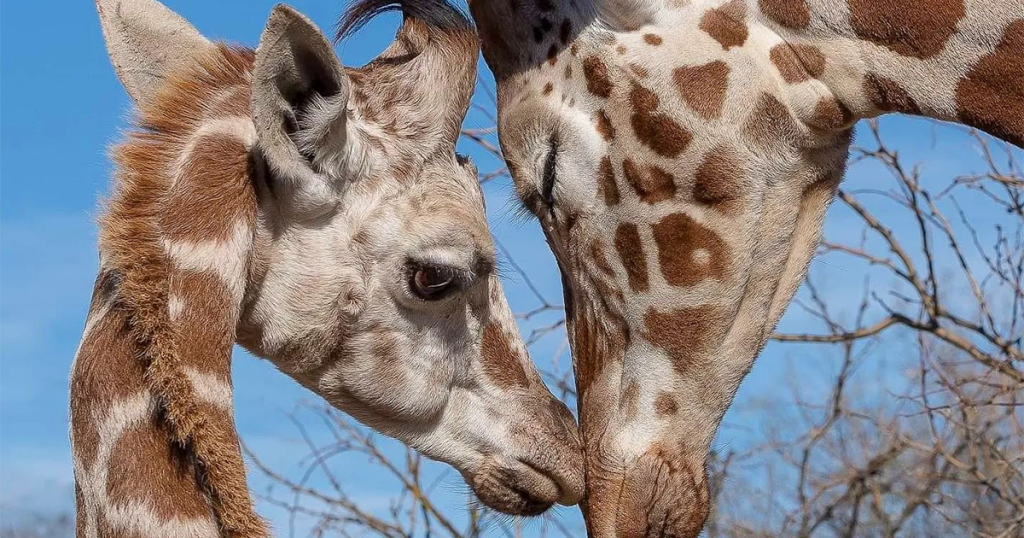
Th5
Wildlife photography has a funny way of reminding us that nature is both a grand opera and a blooper reel. One moment, a bison appears through steam like a prehistoric king returning from battle. The next, a fox looks at the camera with the expression of a landlord inspecting the rent. That delightful mix of drama, patience, danger, luck, and unexpected comedy is what makes the work of wildlife photographer Joe Neely so memorable.
In a collection of 50 unforgettable wildlife moments, Neely’s images transport viewers into places where human schedules do not matter, phone notifications are wonderfully useless, and the real stars have fur, feathers, antlers, talons, whiskers, or an attitude problem. His photographs are not just pretty animal portraits. They are tiny windows into behavior, habitat, survival, curiosity, and the quiet poetry of wild spaces.
What makes this kind of wildlife photography powerful is not simply the subject. A bear is impressive, yes. A wolf is magnetic. A bird in flight can stop the scroll faster than a celebrity scandal. But the real magic comes from timing: the split second when light, movement, expression, and story all meet in the same frame. Great wildlife photography says, “Look closer.” And if it is doing its job, it also whispers, “Please care.”
The Story Behind the Lens
Joe Neely’s path into wildlife photography began with a childhood fascination with nature. Like many people who grew up glued to documentaries, field guides, and outdoor adventures, he found himself drawn to the natural world long before he ever considered making images professionally. Programs about wildlife, camping trips, time spent exploring the woods, and publications such as National Geographic helped shape that early curiosity.
At first, becoming a wildlife photographer seemed unrealistic. That is understandable. The career can look glamorous from the outside, but behind every stunning photograph is a large pile of waiting, missed shots, cold fingers, bug bites, dusty clothes, and the occasional internal monologue that sounds like, “Why did I not become a studio photographer of cupcakes?”
Neely eventually bought an entry-level camera to take on hikes. That simple purchase turned curiosity into a hobby, and the hobby grew into a serious creative pursuit. His story is encouraging because it proves that wildlife photography does not always begin with a giant lens, an exotic plane ticket, and a dramatic voiceover. Sometimes it begins with walking outside, paying attention, and deciding that the ordinary world might be hiding extraordinary scenes.
Why These 50 Wildlife Moments Feel So Unforgettable
The best wildlife images do more than show what an animal looks like. They reveal what an animal is doing, feeling, avoiding, chasing, defending, building, or surviving. A good photograph might show a coyote. A great photograph shows a coyote’s alert posture, the tension in its eyes, and the invisible boundary it is asking the photographer not to cross.
Neely’s work stands out because it captures wildlife as active participants in their own environments. These animals are not props. They are not decorative objects placed into a landscape for human admiration. They are living beings with routines, instincts, family structures, territories, and moods. Some appear majestic. Some appear suspicious. Some look like they have just heard a terrible joke from another species.
Drama Without Disturbance
One of Neely’s most memorable experiences involved photographing a bison emerging from steam or fog in Yellowstone National Park. He had imagined that kind of image for years and planned around animal behavior, likely locations, and weather conditions. Yet the shot appeared unexpectedly near an ordinary rest stop during a snow flurry. That is wildlife photography in a nutshell: prepare like a scientist, wait like a monk, and still be ready for nature to ignore your plan and hand you a gift somewhere inconvenient.
The scene sounds almost cinematic: a massive bison approaching through cold air, ice clinging to its face, eyes fixed forward. It is the kind of photograph that feels ancient, as though the modern world briefly stepped aside and allowed the Ice Age to make a cameo.
Patience Is the Real Camera Gear
Many beginners assume wildlife photography is mostly about equipment. Gear matters, of course. A telephoto lens, weather protection, fast autofocus, and low-light performance can make a major difference. But the most important tool is patience. Animals do not perform on command. They do not care about your memory card, your golden-hour plan, or the fact that you woke up before sunrise and ate a granola bar that tasted like compressed cardboard.
Wildlife photographers often return to the same areas again and again. They learn where animals feed, when birds are active, how weather changes movement, and what signs suggest stress or comfort. This repeated observation turns luck into informed readiness. It also builds respect. The more time a photographer spends watching wildlife, the harder it becomes to see animals as “subjects” only. They become neighbors in a larger living system.
The Ethics Behind Beautiful Wildlife Photography
Wildlife photography carries responsibility. A stunning image loses its value if it harms the animal or damages its habitat. Responsible photographers prioritize the welfare of wildlife over the photograph. That means keeping a safe distance, avoiding harassment, following local rules, respecting closures, staying on trails when required, and never pressuring animals into dramatic behavior.
Ethical photography also means knowing when to step back. If an animal changes its behavior because of your presence, you are no longer simply observing. You are influencing the scene. That is the moment to retreat, even if the light is perfect and your camera is whispering, “Just one more shot.” Cameras are persuasive little machines, but they are not moral advisors.
Avoiding Harmful Shortcuts
Some of the most important wildlife photography rules are simple: do not bait animals, do not disturb nests, do not use drones where they stress wildlife or violate regulations, do not trespass, and do not reveal sensitive locations when doing so could attract crowds. For birds, nesting areas require extra caution because adults and chicks can be vulnerable to predators, weather, and repeated disturbance.
Honesty matters after the image is taken, too. Captions should accurately describe how a photograph was made. If an animal was photographed in a sanctuary, under human care, or with the help of a remote camera, the audience deserves to know. Wildlife photography earns trust when the story behind the image is as honest as the image itself.
What Wildlife Images Teach Us About Animal Behavior
One reason Neely’s photos resonate is that they show behavior, not just beauty. Behavior is what turns a wildlife image into a story. A bird banking midair, a fox listening beneath snow, a bison moving through steam, or an elephant protecting its calf all invite the viewer to ask questions. What is happening? What happened before this? What will happen next?
Understanding behavior also helps photographers stay safe. Neely described a dangerous situation in Kenya when a mother African elephant charged a vehicle after a baby had crossed in front. The group had unintentionally ended up between mother and calf, one of the worst places to be around large wildlife. The driver moved the vehicle away safely, but the lesson is clear: animals are not scenery. They are powerful, protective, and fully capable of rewriting your travel story in bold letters.
Weather, Waiting, and the Uncomfortable Side of the Craft
Wildlife photography looks romantic in finished portfolios, but the field experience can be brutal. Neely has described waiting in extreme cold, including temperatures far below freezing, and working in desert heat above 100 degrees Fahrenheit. That range is not “slightly uncomfortable.” That is “my camera and I are both questioning our life choices.”
Yet harsh conditions often create memorable images. Snow, fog, rain, dust, and low sun can add atmosphere that clear weather cannot provide. A fox hunting in winter, a bison in steam, or a bird silhouetted at dawn becomes more powerful when the environment is visible. Weather is not just a challenge; it is part of the story.
How Composition Turns Wildlife Into Visual Storytelling
Composition is the quiet architecture of a wildlife photograph. It decides where the eye goes first, how the viewer feels, and whether the animal appears isolated, threatened, playful, powerful, or small within a vast habitat. A close portrait can create intimacy. A wider frame can show scale and environment. Neither is automatically better; the right choice depends on the story.
For example, a tight shot of a bison’s ice-covered face emphasizes endurance and presence. A wider shot of the same bison moving through Yellowstone’s steam would emphasize landscape, weather, and mystery. A bird photographed against a clean background may feel elegant and graphic. The same bird surrounded by branches may tell a richer story about habitat.
The Power of Eye Contact
Eye contact is one of the strongest tools in wildlife photography. When an animal looks directly into the lens, viewers often feel seen. The image becomes less about observation and more about encounter. Of course, that moment should never be forced. The photographer’s job is to be ready when curiosity naturally turns toward the camera.
But not every powerful image needs eye contact. A silhouette, a footprint, a feather caught in light, or a distant shape crossing a ridge can be equally memorable. Wildlife photography works best when it balances evidence and emotion. It says, “This animal was here,” and also, “This moment mattered.”
Why Wildlife Photography Matters for Conservation
Wildlife photography can inspire conservation by helping people connect emotionally with species and habitats they may never see in person. A photograph can make an endangered animal feel real rather than abstract. It can turn a distant ecosystem into something personal. It can show the beauty of a place, the fragility of a species, or the cost of losing habitat.
Conservation photography is especially powerful because it blends art with evidence. It can document migration routes, habitat fragmentation, animal behavior, climate impacts, and human-wildlife conflict. It can also celebrate success stories: restored habitats, returning species, protected corridors, and communities working together to preserve wild places.
In that sense, a great wildlife photograph is not just decoration for a wall or a social media post. It is an invitation. It asks viewers to notice, learn, respect, and act. Sometimes action is as simple as supporting habitat protection, keeping distance from wildlife, planting native species, reducing waste, or sharing images responsibly.
What Beginners Can Learn From This Photographer’s Work
You do not need to fly across the world to begin making meaningful wildlife images. Many strong photographs come from backyards, local parks, wetlands, lakes, fields, and even city edges. Squirrels, songbirds, insects, frogs, rabbits, bees, and neighborhood hawks all offer practice in timing, light, focus, and patience.
Beginners should start by learning local species. What time of day are they active? What do they eat? Where do they rest? How close is too close? Which behaviors suggest stress? The more you understand, the better your images becomeand the less likely you are to disturb the animals you admire.
Practical Tips for Better Wildlife Photos
First, go early or late. Dawn and dusk often provide softer light and more animal activity. Second, use a longer lens or zoom capability whenever possible so you can keep distance. Third, watch backgrounds. A beautiful animal in front of a messy background can look like it has antlers made of parking signs. Fourth, focus on the eyes when visible. Sharp eyes help create emotional connection.
Fifth, respect the animal’s comfort zone. If it stops feeding, turns away repeatedly, raises alarm calls, freezes, flees, or shows defensive behavior, back up. Sixth, be honest in your editing. Adjusting exposure or color balance is normal, but adding or removing major elements can cross into deception if the image is presented as documentary wildlife photography.
The Human Experience Behind Wildlife Photography
One of the most rewarding parts of wildlife photography is that it changes the photographer as much as the viewer. It trains attention. It makes silence feel useful. It teaches humility because wild animals do not care about your artistic ambitions. It also makes time feel different. A person might spend four hours waiting for one wingbeat, one glance, one breath of mist around a bison’s head.
And then, suddenly, the moment arrives. The shutter clicks. The animal moves on. The entire experience may last less than a second, but the memory stays for years. That is why collections like these 50 wildlife moments connect so strongly with audiences. They compress hours, days, and sometimes years of patience into frames that feel immediate.
Experiences Related to “This Photographer Captured 50 Unforgettable Moments Featuring Wildlife”
Looking at a collection like “This Photographer Captured 50 Unforgettable Moments Featuring Wildlife” can feel like flipping through a passport stamped by the natural world. Each image carries a different mood. Some photographs feel peaceful, like a quiet morning before the forest has fully woken up. Others feel electric, like the second before a chase, a leap, a wingbeat, or a warning. The best part is that every viewer brings a slightly different reaction. One person sees courage in a bison. Another sees comedy in a fox. Someone else may notice the landscape first and only later discover the animal tucked into the frame like nature’s own Easter egg.
For photographers, the experience is even richer because every image hints at the work that happened outside the frame. There was probably an alarm clock involved. There may have been frozen fingers, mosquito negotiations, muddy boots, missed focus, bad light, full memory cards, empty trails, and that classic outdoor snack known as “whatever was crushed at the bottom of the backpack.” Wildlife photography is rarely one glorious moment after another. It is mostly preparation interrupted by surprise.
A strong wildlife portfolio also teaches viewers how much personality exists outside the human world. Animals are often described by species name, but photographs reveal individuality. One coyote may look cautious. One owl may look offended. One elephant may radiate patience; another may make it very clear that patience has left the building. These moments help people relate to wildlife without turning animals into cartoons. The goal is not to make animals human. The goal is to recognize that they have their own lives, needs, intelligence, and boundaries.
There is also a special joy in seeing familiar animals photographed with fresh eyes. A deer in a field, a bird on a fence, or a squirrel on a tree branch can become extraordinary when light, timing, and composition align. This is one of the most encouraging lessons for beginners. You do not need rare animals to make memorable images. You need attention, respect, and a willingness to return to the same place until the ordinary reveals its secret talent for being beautiful.
Collections of wildlife photographs can also spark curiosity in younger audiences and casual viewers. Someone may click for the “wow” factor and leave wanting to know where bison live, why foxes dive into snow, how birds defend territory, or why elephants are so protective of their calves. That curiosity is valuable. It can grow into reading, volunteering, conservation support, or simply better behavior outdoors. If a photograph convinces one person not to crowd a nest, feed wildlife, litter on a trail, or share the location of a sensitive species, then the image has done more than entertain.
The emotional experience matters, too. In a noisy digital world, wildlife photography offers a rare pause. It reminds us that life is happening beyond screens, traffic, deadlines, and comment sections. Somewhere, a bird is building a nest with the seriousness of an architect. A fox is listening under snow. A bison is walking through steam like it owns the calendar. A photographer is waiting quietly, hoping not to disturb the scene, ready to preserve one honest second of wild life.
That is why this type of work stays with us. It is not only about 50 beautiful images. It is about 50 invitations to pay attention. It shows that the wild world is not silent, empty, or separate from us. It is expressive, active, vulnerable, and astonishingly alive. And sometimes, if the light behaves and the photographer has enough patience, it even poses just long enough to make the rest of us gasp.
Conclusion
“This Photographer Captured 50 Unforgettable Moments Featuring Wildlife” is more than a showcase of striking animal images. It is a reminder that the natural world is full of stories waiting for patient observers. Joe Neely’s wildlife photography reflects planning, endurance, respect, and a willingness to let animals be themselves. From a dreamlike bison in Yellowstone to tense field encounters and extreme weather challenges, the work reveals both the beauty and responsibility of photographing wild creatures.
The greatest wildlife photographs do not simply impress us. They slow us down. They make us look more carefully at behavior, habitat, light, and life. Most importantly, they remind us that every unforgettable image should begin with respect for the animal in front of the lens.
