
Why does our skin age?
Th2
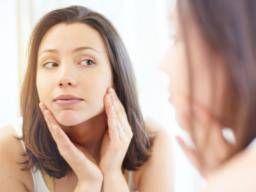
If you’ve ever stared into a mirror and thought, “Wow, my face has really been living,” congratulations: you’ve met skin aging. It’s not just vanity stuff, either. Your skin is an organyour body’s built-in jacket, bouncer, and weather app. Over time, it naturally gets thinner, drier, less springy, and more “dramatic” about sun exposure. Some of that is written into biology. Some of it is the result of how life treats your skin (and how you treat it back).
Skin aging happens for two big reasons: intrinsic aging (the slow, genetically programmed changes that come with time) and extrinsic aging (outside influences like UV light, pollution, smoking, and lifestyle). Think of intrinsic aging as your skin’s “factory settings” over the yearsand extrinsic aging as what happens when that phone is dropped, sunbaked, and charged with a questionable off-brand cable.
Your skin, explained like a normal human would explain it
Skin has three main layers:
- Epidermis (top layer): your protective barrier and “first impression” layer.
- Dermis (middle layer): the support systemwhere collagen and elastin live (the proteins that help skin look firm and bounce back).
- Subcutaneous tissue (deeper layer): fat and connective tissue that provide cushioning and shape.
As you age, changes happen in all three layersplus in tiny blood vessels, oil glands, pigment cells, and the skin barrier. The result is what you already know by heart: fine lines, wrinkles, dryness, uneven tone, and skin that bruises more easily or heals more slowly.
Intrinsic aging: the “calendar” aging you can’t fully avoid
Intrinsic aging is the gradual change driven by genetics and internal biology. No matter how responsibly you live, time still clocks in for work.
1) Slower cell turnover (your skin becomes less “self-renewing”)
When you’re younger, your skin sheds and replaces cells fairly quickly. With age, that turnover slows down. This can make skin look dull, feel rougher, and take longer to recover from irritation or injury. In practical terms: that little mark from a breakout or scratch may hang around longer than it used to.
2) Collagen and elastin decline (less firmness, less bounce)
Collagen acts like the scaffolding that keeps skin supported, while elastin helps it snap back. Over time, your body produces less of both, and existing fibers can become fragmented. That’s why skin starts to look looser and wrinkles become more visibleespecially where the skin folds repeatedly (around eyes and mouth).
3) Less oil production and a weaker barrier (hello, dryness)
Oil glands often become less active with age, and the outer layer of skin can hold onto moisture less efficiently. That’s why mature skin commonly feels drier and more sensitive. Dryness also makes fine lines look deeperbecause dehydrated skin is basically a crumpled-up shirt pretending it’s “fine.”
4) Subcutaneous fat shifts (changes in facial “structure”)
The deeper padding under your skin tends to thin or redistribute with age. This can change facial contoursless fullness in the cheeks, more shadowing under the eyes, and more noticeable folds around the mouth. It’s not that your face is “failing.” It’s that the architecture underneath is remodeling.
5) Cellular wear-and-tear (oxidative stress, senescence, and “inflammaging”)
Inside cells, normal metabolism produces reactive molecules (often called free radicals). Over decades, cumulative oxidative stress can damage DNA, proteins, and cell membranes. Some cells enter a “senescent” statemeaning they stop dividing but don’t quietly exit the building. Instead, they may release inflammatory signals that can affect surrounding tissue. This chronic, low-grade inflammation is sometimes described as inflammaging, and skin is one of the places it shows up.
Extrinsic aging: the “life happened” aging (often preventable)
Extrinsic aging is caused by environmental exposure and lifestyle. It’s a big deal because it can account for a large share of visible skin agingespecially in sun-exposed areas like the face, neck, chest, and hands.
1) Sun exposure and photoaging: the main character of premature aging
Ultraviolet (UV) radiation is the heavyweight champion of extrinsic skin aging. UVA penetrates deeper and is strongly linked to long-term damage like wrinkles and loss of elasticity, while UVB is more associated with burning and direct DNA damage. Over time, UV exposure breaks down collagen and elastin and contributes to uneven pigmentation and rough texture.
On a microscopic level, UV exposure can increase enzymes called matrix metalloproteinases (MMPs) that degrade collagen. This is one reason chronic sun exposure leads to wrinkles and that thicker, more leathery “sun-aged” texture. And yes: sun damage adds up quietly. You don’t need to be a beach person to get photoagingdaily incidental exposure counts.
2) Smoking: not just “bad,” but specifically mean to collagen
Smoking is associated with earlier and more pronounced wrinkling. It can reduce blood flow to the skin, increase oxidative stress, and interfere with the normal maintenance of collagen and elastin. Plus, repeated facial movements (pursing lips, squinting) don’t exactly help. If you’ve ever seen deep lines around the mouth in long-term smokers, you’ve seen biology + exposure + habit stacking effects.
3) Pollution and the “exposome” effect
Modern dermatology often talks about the skin aging exposomethe total lifetime exposure to environmental factors like air pollution, UV light, heat, and even visible/infrared radiation. Pollution particles can promote oxidative stress and inflammation, which may worsen uneven tone and contribute to the overall look of tired, stressed skin. While the sun remains the star of the show, pollution can be an annoying (and persistent) supporting actor.
4) Sleep, stress, and hormones: your skin hears your life updates
Chronic stress can influence inflammation and healing. Poor sleep can make skin look dull and puffy and may interfere with repair processes. Hormonal shifts matter, tooespecially estrogen changes around menopause, which are linked with increased dryness and reduced collagen support. If you’ve ever noticed someone’s skin texture changing during a stressful season, it’s not imaginary; skin is responsive to internal signals.
5) Diet and glycation: when sugar messes with your skin’s “spring”
Glycation is a chemical process where sugar molecules bind to proteins like collagen and elastin, forming compounds called advanced glycation end products (AGEs). These can make collagen fibers stiffer and less flexible. Glycation doesn’t mean “never eat dessert again.” It means that consistently high-sugar, highly processed patterns may contribute to skin changes over timeespecially when paired with other stressors like UV exposure.
What aging looks like: common skin changes over time
- Fine lines and wrinkles: from collagen loss, elastin fragmentation, repetitive movement, and sun damage.
- Dryness and sensitivity: from reduced oil production and weaker barrier function.
- Thinning and fragility: the dermis becomes thinner; bruising and tearing can happen more easily.
- Uneven tone and dark spots: cumulative UV exposure affects pigment regulation.
- Slower healing: cell turnover and repair processes aren’t as speedy.
Can you slow skin aging? Yeswithout turning skincare into a second job
You can’t stop intrinsic aging, but you can reduce extrinsic damage and support healthier skin function. The goal isn’t to “erase” ageit’s to protect skin health, improve texture and comfort, and prevent avoidable damage.
1) Sunscreen: boring, powerful, and undefeated
If you do one thing, do this: use a broad-spectrum SPF 30+ sunscreen daily on exposed areas. Reapply if you’re outdoors for extended time, sweating, or swimming. Sunscreen helps reduce photoaging and also lowers skin cancer risk. Add hats, sunglasses, and protective clothing when you canthink of it as “skin insurance,” not a vibe-killer.
2) Gentle skincare that protects the barrier
Over-cleansing and harsh scrubs can irritate aging skin. A solid routine usually looks like:
- Gentle cleanser (especially at night)
- Moisturizer with barrier-support ingredients (like ceramides, glycerin, hyaluronic acid)
- Daily sunscreen
When the barrier is healthy, skin holds water better, looks smoother, and tolerates active ingredients more comfortably.
3) Retinoids/retinol: the “consistent effort” ingredient
Topical retinoids (including prescription tretinoin) have evidence for improving photoaging by supporting cell turnover and collagen-related changes over time. Over-the-counter retinol is typically gentler but may work more slowly. The secret is not intensityit’s consistency. Start low, go slow, moisturize well, and expect gradual improvement over months, not days.
4) Antioxidants and brighteners: helpful supporting roles
Ingredients like vitamin C, niacinamide, and other antioxidants can help address uneven tone and oxidative stress-related wear. They won’t replace sunscreen, but they can complement a routineespecially for people dealing with dullness or discoloration.
5) Lifestyle basics that show up on your face (politely, over time)
- Don’t smoke (or get help quittingfuture-you will be grateful).
- Prioritize sleep when possible; skin repair tends to be better when your body is rested.
- Eat for overall healthadequate protein, colorful plants, healthy fats, and fewer ultra-processed foods.
- Manage stress with realistic tools (walking, journaling, therapy, breathing exerciseswhatever works).
6) Professional options (if you want them, not because you “have to”)
Dermatologists may recommend treatments like chemical peels, lasers, microneedling, or prescription topicals depending on your goals and skin type. These can improve texture and tone by stimulating remodeling processesbut they’re optional. Great skincare isn’t a moral achievement; it’s just care.
When to see a dermatologist
It’s smart to check in if you notice rapidly changing spots, persistent sores, new growths, bleeding lesions, or anything that looks suspiciousespecially in sun-exposed areas. Skin aging is normal; unexplained skin changes deserve professional attention.
Real-world experiences: what people notice (and what actually helps) 500+ words
Let’s talk about the part no one puts on the label: how skin aging shows up in everyday life. People often describe it less like a dramatic “before and after” and more like a slow series of tiny plot twists.
Experience #1: “My skin got drier out of nowhere.” A lot of adults notice that a routine that worked for years suddenly feels too harsh. The foaming cleanser that once made skin feel squeaky-clean now leaves it tight. Foundation starts clinging to patches. This lines up with age-related decreases in oil production and a skin barrier that doesn’t hold moisture as efficiently. What helps, in real life, is usually not a 12-step routinejust switching to a gentle cleanser, adding a richer moisturizer (or layering a hydrating serum underneath), and being consistent with sunscreen so dryness doesn’t get worse from sun exposure.
Experience #2: “My ‘resting face’ changed.” Some people say their face looks more tired even when they feel fine. Often, this is about subtle changes in volume and supportless cushioning under the skin and more noticeable shadows around the eyes or mouth. It’s not a failure; it’s anatomy shifting over time. Practical fixes people report include hydration, better sleep, and skincare that improves texture and brightness. For those who choose in-office options, they often say the biggest impact is not “looking younger,” but looking more refreshedlike they finally got the eight hours their calendar refuses to allow.
Experience #3: “I got spots I swear weren’t there last year.” Sun spots and uneven pigmentation can feel like they appear overnight, but they’re usually the result of cumulative exposure. Many people connect the dots after they remember years of driving without sunscreen on the hands, playing sports, or taking “quick” sunny walks. The most common lesson people share is: daily SPF makes a noticeable difference over time, especially when paired with hats and shade. Brightening ingredients (like vitamin C or niacinamide) can help, but sun protection is usually the thing that stops the cycle from repeating.
Experience #4: “Wrinkles showed up where I move my face the most.” Crow’s-feet, forehead lines, and smile lines often become more visible as collagen and elastin support declines. People who are expressive (read: alive and fun) sometimes feel unfairly targeted. In reality, expression lines are a normal part of skin mechanics: repeated folding plus reduced elasticity equals a crease that sticks around longer. Many people report that moisturizing well makes these lines look softer day-to-day, and that retinoids (used patiently) can improve texture over months. The key word is patientlyretinoids are more “slow-burn relationship” than “love at first application.”
Experience #5: “My skin got more sensitive.” With barrier changes and dryness, irritation can become more common. People often learn this after trying an aggressive exfoliant or trendy product and ending up red and flaky. The most helpful strategy reported is boring but effective: simplify, repair the barrier, then introduce active ingredients slowly (one at a time). Patch testing becomes your best friend. So does the ability to say, “No, I don’t need to try the internet’s newest acid cocktail this week.”
Across these experiences, one theme shows up: the best results come from small, consistent habitsdaily sunscreen, gentle cleansing, moisturizing for barrier support, and smart use of proven ingredients like retinoidsrather than chasing every new trend. Skin ages because biology and exposure add up. Skin improves because daily care adds up, too.
Conclusion
Our skin ages because time changes how skin renews itself, holds moisture, produces collagen and elastin, and repairs daily damage. Intrinsic aging is inevitable, but extrinsic agingespecially sun-driven photoagingis the part where you have real leverage. If you want a simple game plan: protect your skin from UV daily, support your barrier with gentle skincare, consider retinoids if they fit your routine, and treat lifestyle habits like sleep and smoking as skincare choices (because your skin does).
