
Chambord Espresso Stovetop Maker
Th5
The Chambord Espresso Stovetop Maker is the kind of kitchen tool that quietly says, “I have taste,” while also doing something very useful: making bold, rich, espresso-style coffee without demanding a countertop machine, a barista certificate, or a small loan. Inspired by the classic Italian moka pot, this Bodum brewer is designed for people who want a strong cup of coffee with old-school charm and modern polish.
Let’s clear one thing up right away: a stovetop espresso maker does not make true machine espresso in the strict technical sense. Traditional espresso machines use much higher pressure. A moka pot, including the Chambord stovetop espresso maker, uses steam pressure to push hot water through ground coffee. The result is not café espresso with a thick crema hat, but it is concentrated, aromatic, and deeply satisfying. In other words, it is espresso’s charming cousin who wears linen shirts and never rushes breakfast.
For home coffee lovers, that is exactly the appeal. The Bodum Chambord Espresso Stovetop Maker delivers a stronger brew than drip coffee, requires fewer moving parts than an electric espresso machine, and looks attractive enough to leave on the stove. It is practical, stylish, and pleasantly analog in a world where even refrigerators now seem to want Wi-Fi.
What Is the Chambord Espresso Stovetop Maker?
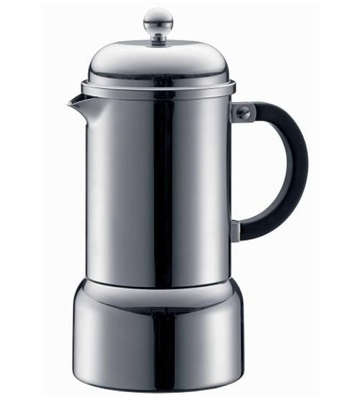
The Chambord Espresso Stovetop Maker is Bodum’s take on the moka pot, a three-chamber stovetop brewer used to make intense coffee. The lower chamber holds water, the middle filter basket holds ground coffee, and the upper chamber collects the finished brew. As the water heats, pressure builds and sends the water upward through the coffee grounds.
Many listings describe the Chambord model as a 6-cup brewer with an approximate capacity of 0.35 liters, or about 12 ounces. That “6-cup” label can be confusing if you are thinking in giant American mugs. In moka-pot language, a cup is much smaller, closer to a demitasse serving. So no, this will not fill six oversized travel tumblers. It will, however, make enough concentrated coffee for several small servings, Americanos, iced coffee drinks, or two people who take morning coffee seriously.
The design commonly features stainless steel and aluminum elements, an ergonomic black handle, and the polished Chambord look associated with Bodum’s classic coffee equipment. Some editions are listed as compatible with gas, electric, and induction stovetops, while care instructions may vary by retailer and version. Before buying, always check the exact product listing for your cooktop type, because “stovetop compatible” is a phrase that can become very dramatic if your stove disagrees.
Why Coffee Lovers Like Stovetop Espresso Makers
A stovetop espresso maker offers a sweet spot between convenience and ritual. It is simple enough for daily use, but still hands-on enough to make the morning feel intentional. You unscrew the pot, fill the base, add coffee, tighten everything together, and place it over heat. A few minutes later, the top chamber begins filling with dark, fragrant coffee. It feels a little like a science experiment, except the reward is caffeine.
Compared with drip coffee, moka pot coffee is fuller, heavier, and more concentrated. Compared with a capsule machine, it gives you more control over the beans, grind, dose, and strength. Compared with a full espresso machine, it costs less, takes up less space, and does not require you to learn the emotional language of steam wands.
Best for Small Kitchens and Big Coffee Flavor
The Chambord Espresso Stovetop Maker is especially attractive for apartments, dorms, RVs, tiny kitchens, and anyone who has already surrendered too much counter space to appliances. It stores easily, travels better than most electric machines, and does not need paper filters or pods. If your kitchen has room for a saucepan, it probably has room for this brewer.
Best for People Who Enjoy the Process
This is not a push-button brewer. That is part of the fun. You are involved in the process from start to finish, and small changes make a noticeable difference. A slightly coarser grind can reduce bitterness. Preheated water can shorten brew time. Lower heat can prevent harsh, scorched flavors. The Chambord rewards attention, but it does not punish you with a 48-page manual.
Key Features of the Chambord Espresso Stovetop Maker
Classic Chambord Styling
Bodum’s Chambord line is known for its clean, timeless coffee-house look. The stovetop espresso maker carries that same design language: polished metal, a neat silhouette, and a handle built for safe pouring. It looks traditional without feeling dusty, modern without looking like it belongs in a spaceship.
Compact 6-Cup Capacity
The commonly listed 6-cup, 0.35-liter capacity makes it suitable for strong small servings, moka-style lattes, or coffee recipes that start with a concentrated base. For one person, it can make a generous morning batch. For two people, it is a civilized share. For six sleepy adults expecting giant mugs, it may become a tiny diplomatic incident.
Stainless-Steel Appearance
The Chambord Espresso Stovetop Maker is often described with stainless-steel construction or stainless-steel styling, depending on the edition. Stainless steel is valued in coffee gear because it is durable, attractive, and less reactive than some other materials. It also helps the pot look good on open shelving, which matters if your kitchen aesthetic is “I meant to do that.”
Simple Three-Part Brewing System
The brewer uses the familiar moka pot structure: bottom water chamber, coffee funnel, and top collecting chamber. There are no pods, no apps, no blinking screens, and no machine demanding descaling at 6:12 a.m. on a Monday. The technology is simple, but the results can be impressive when the grind, heat, and timing are right.
How to Use the Chambord Espresso Stovetop Maker
Using a Chambord stovetop espresso maker is straightforward, but technique matters. A moka pot is wonderfully forgiving, yet it becomes much better when you stop treating it like a tiny metal volcano.
Step 1: Fill the Bottom Chamber
Unscrew the upper section and remove the funnel basket. Fill the lower chamber with fresh water, usually up to the fill line or just below the safety valve, depending on your exact model. Do not cover the safety valve. That valve is there for a reason, and the reason is not decoration.
Step 2: Add Medium-Fine Ground Coffee
Add coffee to the filter basket and level it gently. Do not tamp it down like you would for an espresso machine. Moka pots need water to pass through the grounds without excessive resistance. A medium-fine grind is usually a good starting point: finer than drip coffee, but not powdery like true espresso grind.
Step 3: Assemble the Pot Securely
Place the filter basket into the lower chamber and screw the top section on firmly. Make sure the threads align correctly. If the pot is not sealed well, pressure can escape and the brew may sputter, stall, or behave like it has unresolved issues.
Step 4: Use Moderate Heat
Set the brewer on low to medium heat. High heat may seem faster, but it can produce bitter coffee and aggressive sputtering. The goal is a steady flow, not a kitchen geyser. When the coffee begins to emerge into the upper chamber, listen for a soft bubbling sound.
Step 5: Remove Before It Overheats
When the flow turns pale and the pot starts to gurgle, remove it from heat. Some users place the base on a cool towel or run the lower chamber briefly under cool water to stop extraction. This helps prevent the last bitter notes from sneaking into the cup like uninvited guests.
Tips for Better Coffee Flavor
Use Fresh Beans
Freshly roasted coffee makes a major difference. Beans that have been sitting open for months can taste flat, stale, or cardboard-adjacent. Store whole beans in an airtight container away from heat, moisture, and sunlight. Grind just before brewing whenever possible.
Choose the Right Roast
Medium and medium-dark roasts usually work beautifully in a moka pot. They bring chocolate, nutty, caramel, and toasted flavors without becoming too sharp. Very dark roasts can taste smoky or bitter if overheated, while very light roasts may taste bright but thin unless you fine-tune the grind and brew time.
Do Not Overfill or Tamp
A common moka pot mistake is packing the basket tightly. This can restrict water flow, increase pressure, and lead to uneven extraction. Level the grounds, brush away loose coffee from the rim, and let the brewer do its job. It is a moka pot, not a bicep contest.
Control the Heat
Low to medium heat is your friend. If the coffee blasts out quickly, tastes burnt, or leaves a harsh aftertaste, reduce the heat next time. Smooth moka pot coffee usually comes from patient brewing, not maximum flame drama.
What Does Coffee from the Chambord Taste Like?
The Chambord Espresso Stovetop Maker produces a concentrated cup with a heavier body than drip coffee. Expect bold flavor, a rich aroma, and a texture that works well for milk drinks. It can taste chocolatey, nutty, earthy, fruity, or spicy depending on the beans. The brewer itself does not create magic from bad coffee, but it can make good beans taste wonderfully intense.
Because moka coffee is concentrated, many people drink it in small portions. Others dilute it with hot water for a moka-style Americano. It also shines over ice with milk, especially when brewed with a medium-dark roast. Add a little brown sugar or vanilla syrup, and suddenly your kitchen has joined the iced latte economy.
Chambord Espresso Stovetop Maker vs. Espresso Machine
An espresso machine produces true espresso by forcing water through finely ground coffee at high pressure. That pressure helps create the thick texture and crema associated with café espresso. A stovetop espresso maker uses lower pressure, so the final drink is different. It is strong coffee, not technical espresso.
However, that difference is not a weakness. The Chambord is easier to use, easier to store, and much more affordable than many espresso machines. It does not require electricity, warm-up cycles, portafilter technique, or a dedicated grinder setup. If you want café-level espresso precision, buy a machine. If you want bold coffee with character and minimal fuss, the Chambord makes a strong case for itself.
Chambord Espresso Stovetop Maker vs. French Press
Bodum is famous for French presses, so comparing the Chambord stovetop maker with a French press makes sense. A French press steeps coffee grounds directly in water, producing a full-bodied cup with oils and fine sediment. A moka pot uses pressure and heat to create a more concentrated brew.
Choose a French press if you want a larger mug of relaxed, full-bodied coffee. Choose the Chambord Espresso Stovetop Maker if you want smaller, stronger servings or a base for cappuccinos, lattes, and iced coffee drinks. Ideally, own both and pretend it is a carefully curated brewing station, not a coffee hobby that has quietly taken over the cabinet.
Cleaning and Maintenance
Cleaning the Chambord Espresso Stovetop Maker is simple, but you should do it consistently. After brewing, let the pot cool before disassembling it. Remove the used grounds, rinse the parts, and dry them thoroughly before reassembling or storing. Coffee oils can become stale over time, so regular cleaning helps preserve flavor.
Check the gasket and filter regularly. If the seal becomes worn, cracked, or loose, performance may suffer. A poor seal can cause weak coffee, leaking, or uneven pressure. Also keep the safety valve clean and unobstructed. That tiny valve is one of the most important parts of the brewer.
Some product versions or retailer listings may describe the pot as dishwasher safe, while others recommend hand washing. Because finishes, handles, and specific materials can vary, the safest habit is to follow the care instructions for your exact model. When in doubt, hand wash gently. Your future coffee will thank you, probably in aroma form.
Who Should Buy the Chambord Espresso Stovetop Maker?
The Chambord Espresso Stovetop Maker is a smart choice for people who enjoy strong coffee, appreciate classic design, and want a brewer that does not dominate the kitchen. It is ideal for moka pot beginners who want a stylish entry point, experienced home brewers who want another tool in the rotation, and gift shoppers looking for something more thoughtful than another mug that says “But first, coffee.”
It is also a good fit for people who like making milk drinks at home. While moka coffee is not the same as espresso, it is concentrated enough to stand up to steamed or frothed milk. Pair it with a handheld milk frother, and you can build a pleasant homemade latte routine without turning your kitchen into a café training lab.
Potential Drawbacks to Consider
No coffee maker is perfect, and the Chambord Espresso Stovetop Maker has a few practical considerations. First, it requires attention while brewing. You should not walk away and start folding laundry, answering emails, or entering a deep conversation about whether oat milk has gone too far.
Second, the serving size may surprise people expecting large cups. A 6-cup moka pot means small espresso-style servings, not six diner mugs. Third, grind size and heat control matter. If the coffee tastes bitter, sour, or weak, the brewer may not be the problem. The adjustment may be your grind, dose, water level, or flame setting.
Experience Section: Living With the Chambord Espresso Stovetop Maker
Using the Chambord Espresso Stovetop Maker feels less like operating an appliance and more like starting a small morning ritual. The first thing you notice is the weight and shape. It has that satisfying “real kitchen tool” presence, not the flimsy feeling of something bought in a panic because the old coffee maker died on a Tuesday. Sitting on the stove, it looks polished and intentional, like you are the sort of person who owns linen napkins even if your breakfast is toast eaten over the sink.
The daily experience is pleasantly simple. Unscrew the pot, fill the base, add coffee, assemble, heat, pour. After a few uses, the steps become automatic. The best part is the sound. When the coffee begins moving into the top chamber, the brewer gives a gentle bubbling signal that feels cozy and old-fashioned. It is the opposite of a pod machine’s plastic snap and mechanical buzz. This little pot makes coffee with a soundtrack.
Flavor improves noticeably once you learn its personality. The first batch might be too strong or slightly bitter if the heat is too high. The second batch gets better. By the third or fourth use, most people discover that lower heat, fresh beans, and a medium-fine grind create a smoother cup. The Chambord rewards tiny adjustments. It does not need perfection; it just asks you not to blast it with maximum heat like you are launching a rocket.
For busy mornings, it works best when the routine is organized. Keep beans nearby, pre-measure your favorite dose, and rinse the brewer soon after it cools. The cleanup is not difficult, but coffee grounds have a special talent for appearing exactly where you did not expect them. A small compost bowl or knock container makes the process cleaner.
The Chambord is also fun for weekend drinks. Brew a concentrated batch, pour it over ice, add milk, and you have a strong iced coffee that tastes far more deliberate than something shaken from a carton. Add cinnamon, vanilla, cocoa, or maple syrup, and it becomes a tiny home café moment. It is especially useful when guests visit because the brewer looks good, smells great while brewing, and gives you something charming to fuss over while everyone is still waking up.
The main lesson from using it regularly is this: the Chambord Espresso Stovetop Maker is best for people who enjoy the journey as much as the caffeine. It is not the fastest coffee method, and it is not the most automatic. But it is satisfying. It turns coffee into a small act of attention, and in a rushed world, that may be its best feature.
Conclusion
The Chambord Espresso Stovetop Maker is a stylish, compact, and rewarding way to brew strong coffee at home. It combines the classic moka pot method with Bodum’s recognizable Chambord design, making it a practical choice for coffee lovers who want flavor, simplicity, and a little countertop elegance. It will not replace a professional espresso machine for technical espresso, but it does not need to. Its strength is everyday pleasure: rich coffee, easy brewing, minimal space, and a ritual that makes mornings feel more human.
If you want a brewer that is affordable, attractive, and capable of producing concentrated coffee for Americanos, lattes, iced drinks, or slow Sunday sipping, the Chambord deserves serious consideration. Use good beans, keep the heat moderate, clean it carefully, and give yourself a few brews to dial in the flavor. Once you do, this little stovetop maker can become one of the most loved tools in your kitchen.
