
Custom Shed to Complement a Craftsman Bungalow
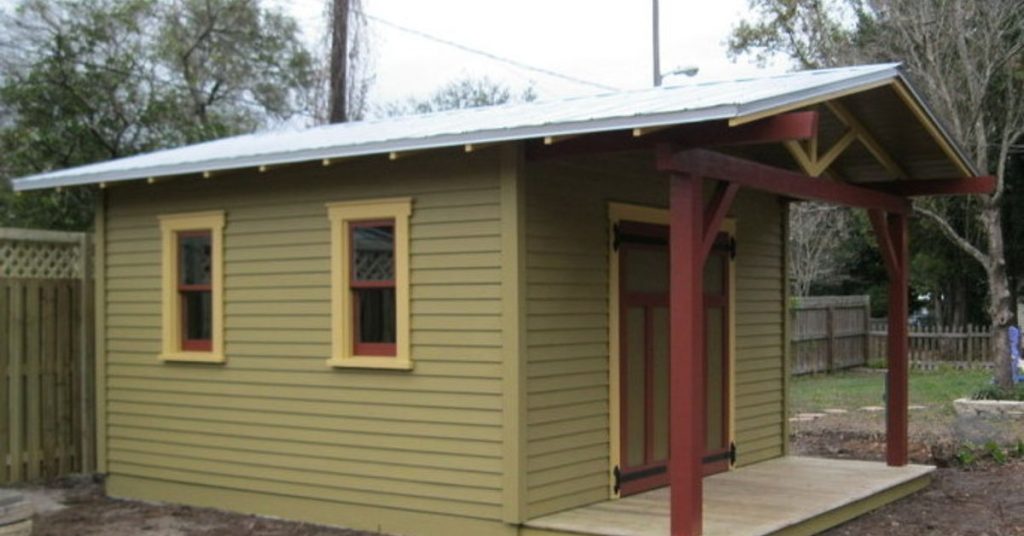
Th3
A Craftsman bungalow has a personality. It does not whisper. It says, “I appreciate good woodwork, honest materials, and a porch that practically begs for iced tea.” So when homeowners drop a generic big-box shed into the backyard, the effect can be… jarring. Think tuxedo up front, gym shorts out back.
If you want a custom shed to complement a Craftsman bungalow, the goal is not to build a tiny copy of the house like some overachieving dollhouse. The goal is harmony. A well-designed shed should feel like it belongs on the property, borrowing the right cues from the bungalow without stealing the whole show. Done right, it adds storage, function, and curb appeal from the alley, side yard, or garden path. Done wrong, it looks like your bungalow lost a bet.
This guide walks through how to design a Craftsman-style shed that feels intentional, timeless, and genuinely useful. We will cover proportions, rooflines, siding, colors, windows, placement, and the subtle details that separate “nice shed” from “Why does that plastic box hate my house?”
Why a Standard Shed Often Looks Wrong Next to a Craftsman Bungalow
Craftsman homes are rooted in the Arts and Crafts tradition, which values handworked detail, simple massing, natural materials, and visible structure. Even modest bungalows usually have a strong architectural rhythm: a low roof, broad eaves, grouped windows, substantial trim, and a grounded relationship to the landscape. That is why a random prefabricated shed with shiny metal doors, flimsy trim, and a roofline from another galaxy feels off immediately.
The mismatch usually comes down to five things:
- Wrong roof shape or pitch that ignores the bungalow’s horizontal character
- Cheap-looking materials that clash with wood, shingles, stucco, or masonry
- No trim hierarchy, which makes the shed look flat and disposable
- Awkward scale that either looms too large or looks toy-like
- Bad placement that competes with the main house instead of supporting it
A bungalow backyard shed works best when it acts like a supporting actor with excellent taste: memorable, useful, and perfectly cast, but never trying to grab the lead role.
Start with the Craftsman DNA
1. Echo the Roofline, Do Not Copy It Blindly
Most Craftsman bungalows feature low-pitched gable roofs with generous overhangs. Your shed should usually repeat that language in a simplified way. A front-gable or side-gable shed often works better than a gambrel barn shape, which can feel too country or too bulky for a bungalow lot.
If your house has exposed rafter tails, a decorative beam end, or a modest bracket detail, you can reinterpret one or two of those elements on the shed. The trick is restraint. You are designing a sibling, not a clone. A simplified open eave with shaped rafter tails may be enough to make the structure feel connected to the house without tipping into theme park territory.
2. Use Materials That Feel Honest
Craftsman architecture loves materials that look like what they are. Wood siding that reads as wood. Shingles that have texture. Stone or brick that feels grounded. If the bungalow has lap siding, cedar shingles, stucco, or painted wood trim, borrow from that palette. If the house uses masonry at the porch base or foundation, consider a subtle version of that texture at the shed base, entry step, or surrounding garden wall.
This does not mean your shed has to be expensive for the sake of being expensive. It means the finish should feel intentional. Fiber cement, engineered wood siding, or quality wood products can all work beautifully when the profiles, reveal, and trim details are right.
3. Choose a Color Palette That Belongs to the Landscape
Craftsman exteriors often look best in earthy, nature-friendly colors: mossy greens, warm taupes, clay, deep brown, muted blue-gray, creamy trim, and stained wood accents. For a custom shed, the safest move is to use the house palette with slightly less contrast. That keeps the outbuilding visually calm.
If your bungalow is already rich in color, the shed can be a quieter echo. If the main house is neutral, the shed can handle a deeper accent on the door. The overall effect should feel rooted, not trendy. A Craftsman bungalow wants colors that sound like they were named by a forest ranger, not a neon energy drink.
Best Shed Styles for a Craftsman Property
Front-Gable Garden Shed
This is often the best choice for a custom shed to complement a Craftsman bungalow. A simple front-facing gable with broad eaves, symmetrical windows, and a centered door can echo the geometry of the house beautifully. Add brackets or rafter tails, and the connection becomes even clearer.
Side-Gable Shed with a Small Overhang
If your yard is narrow or the shed sits along a property edge, a side-gable structure may fit better. It has a quieter presence and can still carry strong Craftsman character through trim, siding, exposed structure, and a thoughtfully designed entry.
Shed with a Mini Porch or Deep Door Hood
A tiny covered entry can make a shed feel like a true outbuilding rather than a storage box. On a Craftsman property, even a simple bracketed hood over double doors can reference the bungalow’s porch culture. The message is subtle but effective: this structure belongs to a house that takes welcome seriously.
What to Avoid
Most of the time, avoid oversized barn-style gambrel roofs, glossy metal siding, suburban faux shutters, or hyper-modern black boxes unless the main house has already been redesigned in that direction. A shed that looks like it came from a different decade, climate, and personality type will always feel like a backyard interruption.
Design Rules That Make the Shed Feel Custom
Keep the Scale Secondary
A good Craftsman-style outbuilding should support the house, not challenge it. In practical terms, that means the shed should usually be smaller in width, lower in height, and simpler in detail than the bungalow. If the main house has dramatic porch columns and multiple roof layers, your shed needs only a modest version of that vocabulary.
Many homeowners get this wrong by trying to maximize every square foot. Yes, storage matters. But the visual penalty of a giant outbuilding can be steep. A slightly smaller shed with smarter built-ins, wall storage, loft shelving, and wider doors is often the better design choice.
Repeat the Trim Logic
Look closely at the bungalow’s window trim, fascia depth, corner boards, water table, and door casing. The shed should not duplicate all of them, but it should use the same design language. If the house has thick trim and visible shadow lines, the shed needs some visual depth too. Skinny builder-grade trim next to a sturdy bungalow looks apologetic.
Even simple upgrades can make a huge difference: a real fascia board, a defined rake edge, substantial corner trim, and a proper base detail. These are the moves that make a shed look custom instead of disposable.
Match the Window Character
Windows matter more than people expect. Craftsman homes often use double-hung windows, grouped openings, or multi-pane uppers over simpler lower sashes. On a shed, you can nod to that character with divided-light windows, a horizontal grouping, or a proportion that matches the house’s sash shape.
Do not overdo it. Two well-placed windows usually beat six random ones. You want daylight, ventilation, and rhythm, not a shed that looks like it is auditioning to become a sunroom.
Choose the Right Doors and Hardware
Double wood doors, carriage-inspired doors with clean lines, or a single paneled door with a transom-like glazing detail can all work. Hardware should feel simple and sturdy. Black iron, aged bronze, or galvanized utility hardware can look great. This is not the place for shiny decorative nonsense that belongs on a faux Tuscan wine cabinet.
Give the Roof and Eaves Some Respect
Because the roof is so visually dominant, details here matter. A wider overhang, a clean rake profile, exposed rafter tails, and a well-proportioned fascia can transform a basic shape. Roofing should complement the house too. If the bungalow has architectural shingles in a muted tone, your shed should not arrive in bright red metal unless the whole property has a reason for that move.
Placement Matters as Much as Design
The best matching shed to house architecture can still fail if it is placed badly. On a Craftsman lot, placement should respect the main facade, the porch, and the house’s relationship to the garden. In many cases, the shed works best at the rear of the lot, tucked along a side boundary, or framed by landscaping so it feels discovered rather than announced.
If your bungalow is historic or sits in a preservation-minded neighborhood, this becomes even more important. New work is generally most successful when it is set back from the primary facade, located on a secondary elevation or rear yard, and designed to be compatible in size, scale, and features without pretending to be original.
That “compatible but not counterfeit” principle is gold. It protects the character of the bungalow and keeps the shed from looking like a weird time-travel experiment.
Landscaping Is the Secret Sauce
A shed never sits alone. It lives in a yard, and on a Craftsman property the landscape does a lot of the aesthetic heavy lifting. The style traditionally works well with layered planting, informal paths, native or regionally appropriate greenery, and materials that feel settled into the site.
That means your shed will look more at home if it is tied into the garden with:
- Stone or brick edging that echoes the bungalow foundation
- Gravel or decomposed granite paths instead of raw worn dirt
- Plantings that soften corners without swallowing the structure
- A trellis, rain chain, or wood gate that repeats the house’s handcrafted feel
A lovely shed in a neglected patch of backyard reads like a good lamp in a bad motel room. Context matters.
How to Make the Interior Worth the Effort
Once the exterior is right, give the inside the same intelligence. A custom shed for a bungalow owner is often more than storage. It may be a potting room, workshop, backyard office, hobby studio, or overflow pantry for garden tools and seasonal gear. The best interiors are compact but not chaotic.
Use vertical wall storage, open shelving, peg rails, durable flooring, and task lighting. If the shed will double as a workspace, prioritize window placement, cross-ventilation, and a pleasant entry sequence. A shed you enjoy using gets maintained better, and a well-maintained structure always looks more expensive than it was.
Common Mistakes to Avoid
Building Too Much “Cute” into It
Craftsman design is warm, but it is not sugary. Resist gingerbread trim, random shutters, fake cupolas, or farmhouse cosplay. The shed should feel solid, simple, and handcrafted.
Ignoring the House’s Proportions
If the bungalow is low and broad, a tall narrow shed may feel unrelated. If the house uses calm, grounded materials, a shiny synthetic finish can look abrupt. Proportion is often more important than decorative detail.
Forgetting the Back View
Many bungalows are beloved from the street, but the shed is usually experienced from the backyard. Design for that lived-in view. Think about how the shed looks from the kitchen window, the porch swing, or the path to the garage.
Specific Examples of a Shed That Works
Example 1: The Classic Garden Version. An 8-by-12 front-gable shed with lap siding, olive-green body color, creamy trim, a cedar door, two divided-light windows, and modest exposed rafter tails. It sits behind the bungalow, framed by shrubs and a gravel path. This version is practical, affordable, and visually faithful.
Example 2: The Potting Shed Companion. A 10-by-12 side-gable shed with shingle siding in the gable ends, a deep door hood on brackets, stained wood shelves inside, and a brick threshold that echoes the porch piers of the house. It feels like part greenhouse, part workshop, and all charm.
Example 3: The Backyard Studio. A slightly larger shed with craftsman trim, grouped windows, a Dutch door, and enough insulation for year-round use. The key is keeping the mass low, the detailing calm, and the materials consistent with the bungalow rather than drifting into trendy modern-office territory.
What the Right Shed Adds to a Craftsman Bungalow
A thoughtful Craftsman shed design does more than hold rakes and holiday bins. It extends the architectural story of the property. It makes the backyard feel finished. It can improve resale appeal because buyers notice when secondary structures feel integrated rather than improvised. It also makes daily life easier, which is not glamorous, but neither is tripping over a lawn spreader in your hallway closet.
Most of all, the right shed preserves the emotional logic of a bungalow. Craftsman homes are loved because they feel human in scale, tactile in material, and generous in spirit. A custom shed should do the same on a smaller footprint.
Experience: What Homeowners Learn When They Build a Custom Shed for a Craftsman Bungalow
The experience of adding a custom shed to a Craftsman bungalow is rarely just about storage. At first, homeowners usually think in square footage: where the bikes go, where the pruning tools go, where the holiday lights stop attacking the coat closet. But as the project takes shape, the conversation changes. Suddenly it is about sightlines from the porch, how the roof feels from the garden path, whether the trim should match the window casings exactly or just rhyme with them. That is when people realize a good shed is not an accessory in the casual sense. It is part of the property’s identity.
One of the most common experiences is surprise at how much peace comes from visual consistency. A bungalow already has a sense of order built into it. The porch columns, low eaves, and earthy materials create a kind of quiet rhythm. When the shed picks up that rhythm, the backyard feels settled. People often describe the finished result not as dramatic, but as “right.” That word matters. The shed is no longer a thing you tolerate because you need storage. It becomes a place that makes the whole yard make sense.
There is also a practical pleasure to it. A well-planned shed changes the way a bungalow works day to day. Garden tools finally live near the garden. Paint supplies stop haunting the basement. Potting soil no longer rides around in the trunk of the car like a confused passenger. If the shed includes a workbench, a window, and decent lighting, it quickly becomes one of the most satisfying spaces on the property. Homeowners step inside for five minutes to grab twine and somehow emerge forty minutes later after reorganizing a drawer, repotting herbs, and having a small but meaningful moment of personal restoration.
Another experience people talk about is how a shed changes the backyard socially. A Craftsman bungalow often encourages lingering: porch sitting, casual gardening, talking over the fence, coffee outside on a cool morning. A thoughtfully designed shed supports that lifestyle. It can anchor a side yard, define a garden room, or create a more intentional destination at the rear of the lot. Add a path, a little lighting, and some plantings, and the route to the shed becomes part of the enjoyment. It is not just storage anymore; it is a tiny ritual.
Perhaps the biggest lesson is that details people once dismissed as fussy end up making all the difference. The width of the fascia. The depth of the eaves. The way the door swings open beneath a bracketed hood. The color of the trim at dusk. These are not trivial choices on a Craftsman property. They are the difference between a shed that feels added on and one that feels grown there over time. And when homeowners get it right, they rarely brag about the square footage first. They say something simpler and better: “It looks like it was always supposed to be there.”
Conclusion
If you are planning a custom shed to complement a Craftsman bungalow, think beyond storage and start with architectural belonging. Match the shed to the house through scale, roof form, materials, color, trim, and placement. Keep the design secondary but intentional. Repeat the Craftsman language without turning the shed into a miniature stage prop. Then use landscaping and smart interior planning to make it genuinely useful.
That is the sweet spot: a shed that works hard, looks right, and quietly makes the whole property better. In other words, very Craftsman. No drama. No gimmicks. Just good design doing its job.
