
How to Use an Ear Wax Removal Kit at Home
Th3
Earwax has the worst PR team in human history. It looks suspicious, shows up uninvited, and somehow always makes an appearance
right before an important meeting. But here’s the twist: earwax (a.k.a. cerumen) is actually doing a jobtrapping dust,
protecting delicate skin, and helping keep your ear canal from turning into a tiny bacterial nightclub.
Still, sometimes earwax overachieves. When it builds up and causes symptoms (muffled hearing, fullness, itching, tinnitus,
dizziness), a home ear wax removal kit can helpif you use it correctly and don’t treat your ear canal like a kitchen drain.
This guide walks you through safe, step-by-step use with practical tips, a dash of humor, and a strong “please don’t poke your ear”
energy.
Do You Actually Need to Remove Earwax?
The most underrated ear-care move is doing… nothing. Many experts recommend not trying to remove earwax unless it’s causing
symptoms or blocking a clinician from seeing your eardrum. In other words: if your ears feel fine, your “earwax situation” is
probably not an emergency.
Consider DIY removal when you have signs of buildup like a plugged feeling, muffled hearing, ringing (tinnitus), itching, or
mild discomfort that feels like waxnot sharp pain. If you’re a hearing aid user, wax can build up more often and may need more
routine attention (or routine professional checks).
What’s in an Ear Wax Removal Kit?
Most kits fall into a few categories. Knowing which one you have helps you follow the right playbook:
-
Softening drops (cerumenolytics): Often carbamide peroxide 6.5% (common in many OTC products), or other
softeners like glycerin-based solutions. These loosen wax so it can drain out or be rinsed out. - Bulb syringe or rinse tool: Used to gently flush the ear with warm (body-temperature) water after softening.
- Saline spray systems: Some kits use saline rinse after drops instead of (or in addition to) a bulb syringe.
-
“Tools” (scoops, spirals, etc.): Some kits include them. Be cautious: putting objects into the ear canal can
push wax deeper or injure your canal/eardrum. If you’re going to use any tool, it should only touch wax you can clearly see
right at the entranceand even then, gently.
One big note: at-home suction devices and “ear vacuum” gadgets aren’t generally recommended by major medical sources, and some
organizations explicitly warn they’re not effective for most people. Your ear is not a Dyson accessory.
Before You Start: A Safety Checklist (Don’t Skip This)
Home kits are for uncomplicated wax buildup. They are not for mystery ear situations. Pause and choose professional
care instead if any of these apply:
- Possible eardrum perforation (a hole/tear), or you’ve ever been told you have one.
- Ear tubes or recent ear surgery (including any eardrum repair).
- Drainage/discharge, bleeding, significant pain, or a rash in/around the ear canal.
- Dizziness/vertigo that’s new, intense, or happens with ear manipulation.
- Active ear infection or severe swelling.
-
Certain higher-risk situations where irrigation may be discouraged or requires extra caution (for example, some people with
diabetes, eczema/skin problems in the ear canal, or a weakened immune system). - Kids: many carbamide peroxide labels advise consulting a clinician for children under 12.
If any of that sounded uncomfortably relevant, that’s your cue to stop reading and book a visit with a clinician or ENT
(ear, nose, and throat specialist). You’re not “failing” at DIYyou’re being smart.
Step-by-Step: How to Use a Typical Ear Wax Removal Kit (Drops + Flush)
This is the most common at-home approach: soften the wax, then gently rinse. Always follow your
product label, but here’s a safe, practical framework based on widely recommended methods.
Step 1: Set up your “ear spa” (a.k.a. your bathroom sink)
- Grab: your kit, tissues, a towel, a small bowl or sink access, and a mirror.
-
Use warm water: body-temperature is key. Too hot is unsafe; too cold can cause dizziness because your inner ear
is involved in balance. - Plan for gravity: you’ll be tilting your head and letting fluid drain. Pick a spot that can get a little wet.
Step 2: Use the drops to soften the wax
Many OTC kits use carbamide peroxide 6.5%. Typical labeling for these products often includes directions like
placing several drops in the affected ear, keeping your head tilted (or using a little cotton at the opening) for a
few minutes, and repeating twice daily for up to four daysbut label instructions vary, so read yours carefully.
- Wash your hands. Your ear canal isn’t asking for new roommates (germs).
- Warm the bottle in your hand for a minute. Cold drops can feel startling (and nobody wants to flinch mid-pour).
- Tilt your head so the affected ear faces up. Gently pull the outer ear up and back to help straighten the canal.
- Apply the drops as directed. Don’t jam the tip into the ear canalhover near the opening.
-
Wait. Keep your head tilted for the recommended time. You may hear fizzing/crackling with peroxide-based drops.
That’s normalchemistry is doing its thing. - Drain. Tilt the other way and let the drops (and loosened wax) flow out onto a tissue.
If you feel sharp pain, significant burning, or sudden dizziness, stop. Those are not “powerful cleansing vibes.” They’re warning
signs.
Step 3: Flush gently (only if appropriate for you)
If your kit includes a bulb syringe, you’re not pressure-washing a driveway. You’re creating a gentle stream of warm water to
help rinse out loosened wax.
- Fill the bulb syringe with warm (body-temperature) water.
- Head position matters: keep your head upright and gently pull the outer ear up and back to straighten the canal.
-
Aim along the canal wall, not straight “in.” Direct a small stream next to the wax plug rather than blasting
toward the eardrum. - Squeeze gently. Let water flow out into the sink as you tip your head. Wax may come out in flakes or soft chunks.
- Repeat a few times if needed. If nothing is happening, don’t escalate to “high power mode.” Stop and reassess.
Don’t flush if you’ve had eardrum surgery, suspect a perforation, have tubes, or have drainage/pain suggesting infection. Flushing
can worsen problems in those cases.
Step 4: Drain and dry (because moisture loves causing trouble)
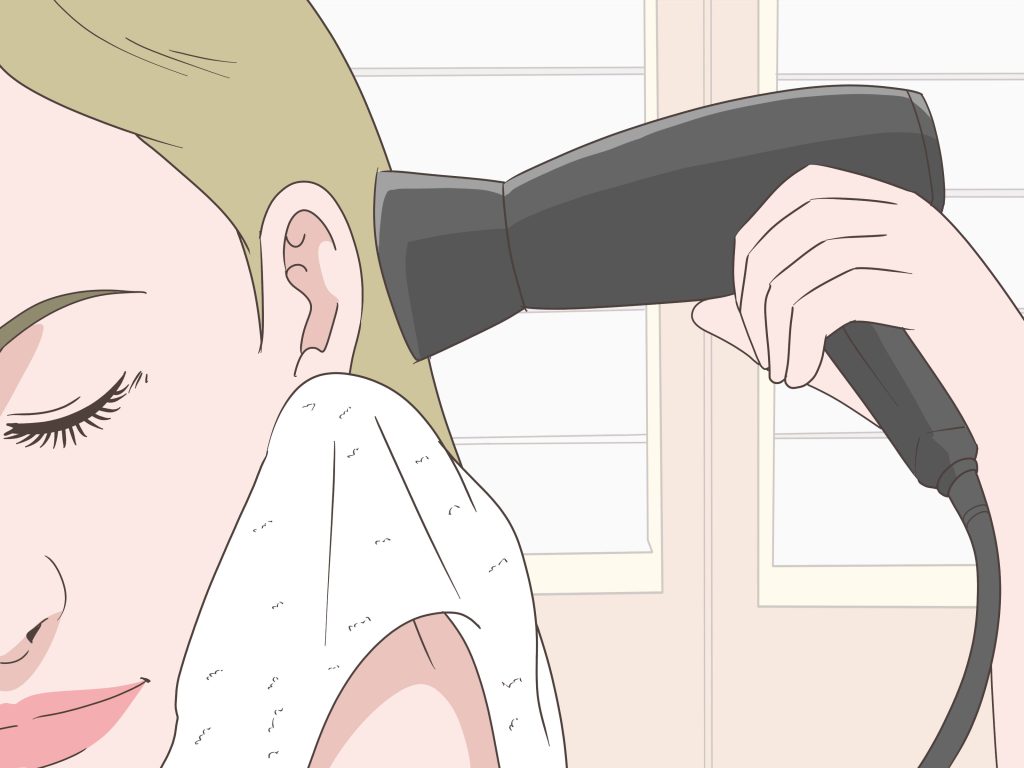
After rinsing, let the ear drain thoroughly. Dry the outer ear with a towel. Some medical references note you can help dry the ear
gentlylike using a hair dryer on a low setting held at a safe distance. Keeping the ear canal from staying damp is a big deal,
especially if you’re prone to irritation or swimmer’s ear.
Step 5: Aftercare for the next 24 hours
- No cotton swabs. They commonly push wax deeper and can irritate the canal.
- Avoid earbuds for a bit if your ear feels tendergive the skin time to calm down.
- Monitor symptoms. Hearing often improves quickly if wax was the culprit. If it doesn’t, that’s useful info for a clinician.
If Your Kit Is Drops-Only (No Flushing Tool)
Drops-only kits are simpler: you soften wax and let your ear’s natural migration (plus gravity) help it exit. Use the drops as
directed, let them drain, and repeat for the recommended number of days.
If your symptoms are mild, this may be enough. In many cases, loosening is the main winwax can work its way out without the extra
step of flushing. If you still feel blocked after the full course on the label, don’t keep going indefinitely; that’s when it’s
time to call a professional.
Troubleshooting: Common Problems (and What to Do Instead of Panicking)
“I used drops and now my ear feels MORE clogged.”
This can happen when softened wax shifts but doesn’t fully exitbasically turning into a sticky “muddy wall.” Give it a little time
to drain, and if your kit includes safe flushing instructions for your situation, follow them gently. If you’re still blocked,
stop and contact a clinician.
“Nothing comes out when I flush.”
A few possibilities: the wax isn’t softened enough yet, the water isn’t warm enough, or the stream is too direct (or too timid).
Try softening drops for the recommended duration first, then flush gently with body-temperature water. If you’ve done the label
course and still have symptoms, professional removal is safer than repeated DIY attempts.
“The fizzing feels intense.”
Mild fizzing/crackling can be normal with peroxide-based drops. But burning pain, swelling, rash, or worsening irritation is not.
Stop and seek adviceespecially if you have sensitive skin or a history of ear canal eczema.
“I got dizzy while flushing.”
This can happen if the water temperature is off (especially too cold). Stop immediately, sit down, and let symptoms settle.
Don’t retry until you can ensure body-temperature waterand if dizziness is significant or persistent, call a clinician.
What NOT to Do (Even If the Internet Dares You)
-
Don’t use cotton swabs inside the ear canal. They often push wax deeper, irritate the canal, and can injure the
eardrum. They’re great for makeup touch-ups and craft projectsnot ear spelunking. -
Don’t try to “dig it out” with bobby pins, keys, pen caps, or anything else from the “objects I found on my desk”
collection. - Don’t use ear candling. Major medical sources report it doesn’t work and can cause burns or injuries.
-
Be wary of at-home suction devices. Some health organizations note they aren’t effective for most people and are
often not recommended. -
Don’t over-treat. Many carbamide peroxide labels warn not to use longer than a few days unless directed by a doctor.
More is not better; more is just… more irritated ear canal.
When to Call a Pro (Primary Care, Audiologist, or ENT)
Call a healthcare provider if:
- You have fever, significant or worsening ear pain, or drainage/discharge.
- You notice a foul odor, bleeding, or sudden severe symptoms.
- You suspect a perforated eardrum or you’ve had ear surgery or tubes.
- Your hearing loss or fullness doesn’t improve after following the label course.
- You have diabetes, immune compromise, or ear canal skin conditions and symptoms persist or worsen.
Clinicians can remove wax using better visualization (otoscope/microscope) and tools like suction or curettesmethods that are
effective but safer in trained hands when DIY is risky or ineffective.
How to Keep Earwax From Coming Back Like a Bad Sequel
Some people naturally make more earwax. Others accidentally “train” their ears to make more by irritating the canal repeatedly.
Either way, these habits can help:
- Clean only the outside. A damp cloth on the outer ear is enough for routine hygiene.
- Skip the swabs. If you love the feeling of “clean ears,” consider that your ears may not share your enthusiasm.
-
If you’re prone to buildup, consider occasional softening with a clinician-recommended approach (like mineral oil
or saline-based softeners), and don’t overdo it. -
Hearing aid users: wax can build up more often; routine checks are sometimes recommended every few months depending
on your situation and device. - Stop early if irritation starts. A calm ear canal is less likely to cause trouble.
Conclusion
Using an ear wax removal kit at home can be safe and effective when you follow the label, use gentle technique, and respect the
“do not try this at home” list (perforated eardrum, tubes, surgery, drainage, major pain, significant dizziness).
The winning formula is simple: soften first, rinse gently if appropriate, dry thoroughly,
and never insert random objects into your ear canalno matter how confident you feel holding that bobby pin.
If symptoms persist, don’t keep escalating; professional removal is often faster, safer, and far less dramatic.
Real-Life Experiences & Pro Tips (Extra)
To make this guide feel less like a sterile instruction manual and more like something you’d actually read on purpose, here are
common experiences people share about using an ear wax removal kit at homeplus what those moments can teach you.
1) The “I expected one drop and got Niagara Falls” moment
People often underestimate how much liquid is involved, especially if they’re using both drops and a rinse. The first time you
tilt your head and feel warm water run out, it can be… startling. Pro tip: lay a towel on your shoulder and stand over a sink.
Also, don’t do this five minutes before leaving the house unless you enjoy the look of “slightly damp, mildly concerned.”
2) The cold-water mistake (a.k.a. “Why is the room spinning?”)
A surprisingly common story: someone uses tap water that’s too cold, feels dizzy, and assumes they’ve “broken their ear.”
In reality, the inner ear helps control balance, and temperature changes can trigger vertigo-like sensations. The fix is simple:
use body-temperature water, and stop immediately if dizziness hits. If you’re unsure about temperature, test it on your wrist the
way you would for a baby bottlebecause your ear deserves that level of respect.
3) The “It’s bubbling, is it supposed to bubble?” panic
With peroxide-based drops, fizzing or crackling can be normal. People describe it as “Rice Krispies in my head,” which is both
accurate and deeply weird. The key is the difference between odd and painful. Mild bubbling? Fine. Sharp pain,
rash, or swelling? Stop. Ear canals are delicate, and irritation is a sign to tap out, not power through like you’re training for
a wax-removal marathon.
4) The “muddy wall” frustration
Sometimes drops soften wax but don’t fully clear it right away, and the ear can feel more blocked temporarily. People often
respond by adding more drops, more flushing, and more everythingusually in one heroic afternoon. That’s the wrong direction.
Instead, follow the recommended schedule on the label, give gravity time to work, and avoid repeated aggressive flushing. If you’ve
completed the product’s course and you still feel blocked, that’s the moment to call a clinician. Professionals can remove wax with
better visibility and tools, and you won’t have to wonder whether that last “chunk” was wax or your will to live.
5) The cotton swab “conversion story”
Many people start using kits because cotton swabs stopped “working” (they never really worked; they just moved wax around and made
it feel temporarily cleaner). A typical realization goes like this: “I used swabs for years, then one day my hearing sounded like I
was underwater.” That’s a classic patternswabs can push wax deeper toward the eardrum. The pro tip is brutally simple: keep swabs
for the outer ear only, or skip them entirely. If you want a clean feeling, wipe the outer ear with a damp cloth and let your ear
canal do what it was designed to do.
6) The hearing aid/earbud factor
People who wear hearing aids, earbuds, or earplugs a lot often notice wax buildup more frequently. Devices can block wax from
migrating out naturally or can nudge it inward. A smart routine is to keep devices clean, take breaks when possible, and consider
periodic checks if you’re a frequent “wax builder.” The goal isn’t to remove wax constantlyit’s to avoid the cycle of irritation,
over-cleaning, and more buildup.
The big takeaway from these experiences: successful at-home earwax removal is less about force and more about patience, gentle
technique, and knowing when to hand the job to someone with an otoscope and a medical degree.
