
Dura Seal Country White Flooring Stain
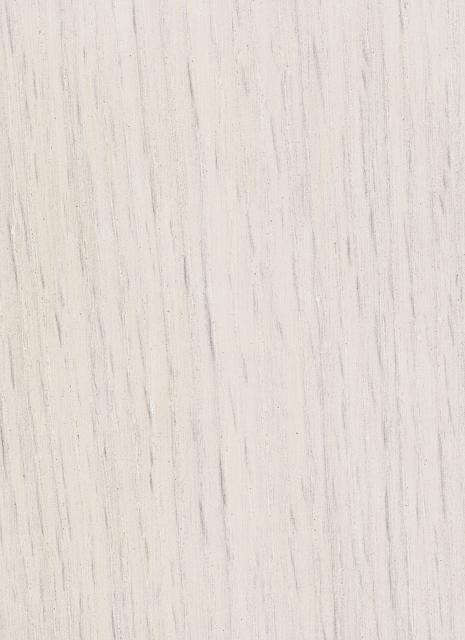
Th3
If you’ve ever looked at a “light, airy, Scandinavian” inspiration photo and thought, “Sure, but my floors
look like a toasted bagel,” you’re not alone. DuraSeal’s Country White is one of those
stains that tries to do a very specific magic trick: brighten the wood while still letting the grain show.
It’s not paint. It’s not a chalky whitewash. It’s a semi-transparent, wipe-on/wipe-off stain that can land
anywhere from “soft, sun-bleached oak” to “why does my red oak look a little… blush?” depending on species,
sanding, technique, and your finish choice.
This guide breaks down what Country White is, what it looks like in real homes, how to apply it without
creating a patchy “zebra floor,” and how to pick a topcoat so your “country white” doesn’t become “country
yellow” six months later (unless that’s your vibeno judgment).
What Is DuraSeal Country White, Exactly?
“Country White” is a color option in the DuraSeal stain lineup, commonly found in the DuraSeal Quick Coat
2-Hour Penetrating Finish system. In plain English: it’s an oil/resin-based penetrating stain designed
for hardwood floors that can be topcoated relatively quickly under normal conditions.
The big appeal is the look: a lightened, softened tone that still reads as wood (not painted boards), with grain
definition intact. It’s popular for modern farmhouse, coastal, and minimalist interiors because it plays nicely
with white walls, black hardware, warm textiles, and “plants I swear I water.”
Country White vs. Whitewash vs. Pickling
Home design folks sometimes toss around “whitewash,” “pickled,” and “white stain” like they’re the same thing.
They’re cousins, not twins:
- Whitewash: typically watered-down paint or a very opaque wash that can cover grain if applied heavily.
- Pickling: a technique that leaves white pigment in the pores and grain lines (especially on oak), usually wiped back for a weathered look.
- Country White stain: a branded stain color aiming for a controlled, semi-transparent “brightened wood” effect.
If you want your floor to look like it’s been gently kissed by morning fog, Country White is often closer to
the target than full-on white paint. If you want “shiplap, but make it horizontal,” you’re probably shopping
for something more opaque than a stain.
What Color Does Country White Actually Look Like?
Here’s the honest truth: Country White is not a single, universal color. It’s a resultand results are
heavily influenced by wood species and undertones. DuraSeal’s own stain gallery shows the color on
white oak and red oak and explicitly notes that natural wood variation and
display differences can change what you see versus what you get.
On White Oak
White oak is typically the “best-case scenario” for light stains. Its undertones are often more neutral, and its
grain can read clean and modern. Country White on white oak often lands as a soft, pale beige-white
with visible grain and a gently muted, natural feel.
On Red Oak
Red oak has warmer, sometimes pinkish undertones. With a white-toned stain, those undertones can peek through,
which is why some people describe the result as “warm,” “blushed,” or “slightly rosy” depending on lighting.
If your dream is “cool, bright, neutral,” red oak may take more strategy (sample boards, sanding finesse, and
smart topcoat selection).
A Quick Reality Check: Light Stains Are Less Forgiving
Dark stains are like sunglasses: they hide a lot. Light stains are like high-definition daylight: they show
everythingsanding marks, lap lines, inconsistent absorption, and that one board that apparently grew up
differently than the others.
Before You Commit: The Sample Board “Insurance Policy”
If you do one thing before staining your entire house, do this: make sample boards. Better yet, make
multiple sample boards using your actual floor species (or leftover planks) and test:
- One coat vs. two coats
- Different wipe-off timing (within the manufacturer’s guidance)
- Water-based polyurethane vs. oil-based polyurethane (topcoat can shift the final look)
- Country White straight vs. slightly adjusted (some systems allow toning/lightening with a neutral base)
Put the boards on the floor in the actual room and look at them morning, afternoon, and night. Your kitchen
lighting will absolutely have opinions.
Prep Work: Where “Pretty Floors” Are Won or Lost
Stain is not a magic eraser for sanding mistakes. In fact, it’s more like a megaphone. Industry guidance
emphasizes proper sanding and thorough removal of dust and residue before staining, plus careful technique
to avoid leaving excess stain behindespecially with oil-based products.
Sanding: Don’t Skip the Boring Steps
A consistent sanding sequence matters because the final grit influences how much stain the wood absorbs.
Too rough and you get deeper penetration (sometimes darker, sometimes blotchier). Too fine and the stain may
sit more on the surface, potentially reducing color payoff or creating unevenness.
Clean Like You Mean It
Dust is the enemy of even stain. Vacuum thoroughly. Tack carefully. Remove anything that will interfere with
penetrationespecially along edges and in bevels, where residue likes to hide.
How to Apply DuraSeal Country White (Without the “Oops”)
Application is where Country White can go from “designer mood board” to “why does my floor look like it was
stained by a nervous raccoon?” The solution is simple but not always easy: control your workflow and remove
excess stain thoroughly.
Practical Application Workflow
- Stir/shake per label instructions and test a small area first.
- Apply evenly with a rag, brush, pad, or applicatorworking in sections you can manage.
- Let it penetrate briefly (manufacturer guidance commonly sits in the “minutes, not hours” range).
- Wipe off thoroughly. This is the part that separates the pros from the “sticky floor” crowd.
- Watch for bleed-back: excess stain can seep up from pores or gaps if too much was left behind.
- Allow proper dry time before topcoathumidity and temperature can change the schedule.
Coverage and Timing: The Numbers People Actually Ask About
Typical guidance for Quick Coat systems often cites roughly 500 sq. ft. per gallon for the first coat,
with an optional second coat spreading farther (because it’s thinner). Dry time is frequently described around
2–3 hours under “normal” conditions (around 77°F and moderate humidity), but cooler or more humid
environments can slow that down.
Why “Wipe Off Thoroughly” Is Not Optional
Leaving residual stain can cause several issues:
- Adhesion problems: topcoat may not bond properly over residue.
- Extended dry times: the floor stays tacky and attracts dust like a magnet.
- Bleed-back: pigment rises back to the surface, creating uneven spots or glossy patches.
With a light color like Country White, any unevenness is more visible. Think of it like makeup: the lighter the
foundation, the more you notice blending errors. (This metaphor is provided free of charge.)
Safety Note You Should Actually Take Seriously
Oil-based stains and solvent-containing finishes can create flammable waste. Soaked rags and steel wool can
spontaneously combust if handled improperly. Use a sealed, water-filled metal container for oily rags and
follow local disposal rules. Also: ventilate well and use appropriate protective equipment as recommended on
the product documentation.
A Quick “Do / Don’t” Cheat Sheet
| Do | Don’t |
|---|---|
| Work in small, consistent sections | Coat the entire room before wiping off |
| Wipe off thoroughly, especially in bevels | Leave residue thinking “it’ll dry eventually” |
| Test on sample boards with your topcoat | Trust a phone screen color sample |
| Maintain ventilation during application and drying | Assume “no smell” means “no exposure” |
Advanced Moves: Getting Country White to Behave
1) Water Popping (Grain Popping): Helpful or Overkill?
“Water popping” is a technique used to open the grain so wood accepts stain more readily and evenly. It can
improve saturation and uniformity on some species, but it also raises grain and increases absorptionmeaning
it can make the stain appear darker or more intense than expected.
With a light stain like Country White, water popping can be a double-edged sword: it may help evenness, but
it can also push the color toward more pronounced contrast than you intended. If you’re considering it, test
it on sample boards first and keep the process controlled.
2) Using “Neutral” to Lighten or Customize
Many DuraSeal systems offer a “Neutral” base that can lighten certain tones. If your test boards look too
warm, too strong, or just not quite “cloudy oat latte” enough, a neutral mixing strategy may be possible
but only within the manufacturer’s guidance. Always follow official compatibility and mixing instructions.
3) Managing Lap Marks
Lap marks happen when one section starts drying before the adjacent section is wiped evenly, leaving darker
overlaps. Prevention is all about rhythm: consistent application, consistent dwell time, consistent wipe-off.
And if your floor has beveled edges, give those grooves extra attention because stain loves to hang out there.
The Topcoat Decision: Keeping White from Turning “Warm”
Your topcoat matters as much as your stain. Two common paths:
Water-Based Polyurethane
Water-based finishes are often chosen when you want to preserve a lighter, clearer look. They generally add
less amber warmth, which helps Country White stay closer to the “bright, modern” end of the spectrum.
Oil-Based Polyurethane
Oil-based finishes are loved for warmth and depthbut that warmth can shift a white-toned stain toward a more
golden or creamy look over time. In some homes, that’s cozy and intentional. In others, it’s the moment you
realize your “cool white oak” is now “vanilla custard oak.”
Sheen Choice Matters, Too
Matte or satin sheens tend to hide small scratches and dust better than glossier finishes, and they can look
more natural with light stains. Gloss can be gorgeous, but it’s basically a spotlight on every crumb and
footprint. Choose the level of honesty you want your floor to provide.
Design Ideas: Where Country White Shines
Country White is often picked to make rooms feel bigger, brighter, and calmerwithout losing the “real wood”
character. Some popular style pairings:
- Modern farmhouse: white walls, black accents, natural textures, and a floor that feels “clean” but not sterile.
- Coastal: linen tones, soft blues, rattan, and that “sun-bleached boardwalk” vibe (minus the seagulls).
- Scandi/minimal: simple lines, light woods, and neutral palettes where the grain becomes subtle visual texture.
- Transitional: mixes well with both warm and cool decorespecially if you keep your finish choice consistent with your palette.
Maintenance: Keeping the “Light and Airy” Look
Light floors are beautiful, and yes, they can be practicalif you maintain them properly. General best practices:
- Sweep or vacuum regularly to remove grit (grit is basically sandpaper with an attitude).
- Wipe spills promptly and use a cleaner recommended for hardwood floors.
- Avoid oil-soap cleaners that can leave residues and potentially interfere with future recoats.
- Use felt pads under furniture and keep pet nails trimmed (your floor is not a scratching post).
Periodic buffing and recoating schedules depend on traffic and finish type. High-traffic areas may need
attention sooner, especially if the floor is in a kitchen, hallway, or wherever your life actually happens.
FAQ: Country White Questions People Ask at 11:47 PM
Will Country White hide scratches and dents?
It can make some wear less visually dramatic than very dark stains, but it won’t hide dents or poor sanding.
Think “forgiving,” not “magical.”
Can I apply it over an existing finish?
Not as a simple wipe-on. Stain is generally intended for bare wood so it can penetrate. If your floor is
already sealed, you’re typically looking at sanding/refinishing (or a different system altogether).
Is one coat enough?
Often, yes. Two coats can deepen the effect, but with a light stain, the second coat can also amplify
inconsistencies if the first coat wasn’t wiped uniformly. Sample boards tell the truth.
Why does it look different in different rooms?
Lighting changes everything. North-facing daylight, warm LEDs, and afternoon sun can all shift how white tones
read. This is why sample boards belong in the actual roomsnot just in your garage under a single bulb from 2006.
Real-World Experiences with DuraSeal Country White (About )
When people talk about Country White in the real world, the stories tend to cluster around three themes:
sampling, undertones, and the topcoat “plot twist.”
First: sampling is not optional in practice, even if it feels optional in theory. A common experience is that
Country White looks “perfect” on a small swatch and then slightly different once it’s across the entire floor.
That’s not because the stain is moody (okay, maybe a little). It’s because wide areas reveal board-to-board
variationgrain density, color streaks, and tiny differences in sanding pressure. People who love their result
usually mention they tested multiple boards and looked at them in multiple lighting conditions, including the
“nighttime overhead lights that make every white paint color look like a different personality.”
Second: undertones can be surprisingly emotional. On white oak, many homeowners describe the
final look as clean, natural, and “light without looking painted.” On red oak, the experience
varies more. Some love the warmer, slightly rosy softness because it feels inviting and vintage. Others are
aiming for a cooler, neutral “European oak” look and are startled when the floor reads warmer than expected.
In those cases, the most successful outcomes tend to come from either (a) embracing the warmth and choosing
decor that harmonizes with it, or (b) using careful sanding, consistent wipe-off technique, and a clearer
finish system to avoid adding extra amber.
Third: the topcoat is where many “almost perfect” floors become “exactly right” (or the opposite). People who
want the lightest, brightest look often report being happiest with a water-based polyurethane because it keeps
the floor closer to that crisp, airy tone. People who choose oil-based polyurethane often report the floor
gaining warmth and depthsometimes intentionally “cozier,” sometimes unexpectedly “creamier.” The lesson most
folks learn the same way: sample boards need the topcoat applied before final decisions. The
stain alone is like trying to judge a movie from the trailer.
Another common “experience note” is workflow discipline. Country White is a light stain, which means lap marks
and uneven wipe-off can show up as faint shadows. People who get great results often describe working in
manageable sections, keeping a consistent dwell time, and wiping thoroughlyespecially along bevels and seams.
On the flip side, the most frequent regret sounds like: “We thought it needed to sit longer to get whiter.”
In reality, many penetrating stains deepen with longer dwell time, while “whiter” effects often come from
controlled application and proper wipe-back, not marinating your floor like it’s a steak.
Finally, safety and ventilation get mentioned in a very practical way: open windows, steady airflow, and a plan
for oily rags. People who treat cleanup like part of the jobnot an afterthoughttend to have smoother drying
and fewer surprises. And if there’s one universal experience, it’s this: everyone becomes an expert in the
phrase “remove excess stain thoroughly” after they’ve seen what happens when they don’t.
