
Elimination Communication: Definition, Benefits, and Drawbacks
Th3
If you’ve ever stared at your baby and thought, “Are you crying because you’re tired… or because you’re about to launch a surprise poop?”
then congratulationsyou’ve already taken your first baby-step into Elimination Communication (EC).
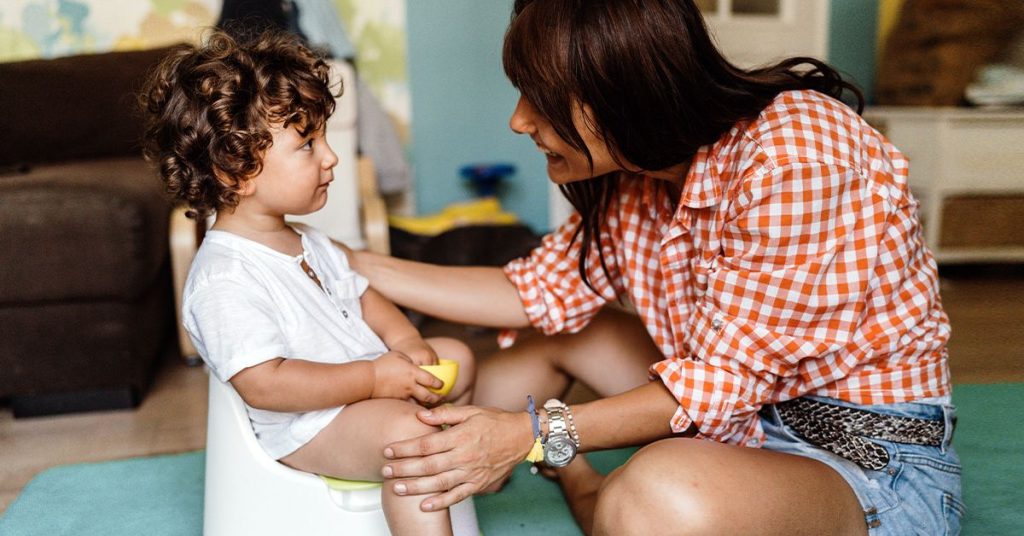
Elimination Communication is a caregiving approach where you learn your baby’s natural timing and cues for peeing and pooping, then help them use an appropriate place (like a potty, toilet, or small container) instead of relying solely on diapers. Think of it as “potty support,” not “potty pressure.” It’s less about getting a baby to be “trained” and more about responding to body signalskind of like feeding when they’re hungry, but… you know… the other end.
What Is Elimination Communication?
Elimination Communication (EC)sometimes called natural infant hygiene or assisted infant toilet trainingis the practice of tuning into an infant’s elimination patterns and signals, then offering a potty opportunity at the right time. Many families use diapers as backup (especially when they’re out, asleep, or simply not in the mood to play “Guess That Grunt”), while others go diaper-light as much as possible.
EC vs. Traditional Potty Training: What’s the Difference?
Traditional potty training in the U.S. often starts when toddlers can communicate, follow simple instructions, and physically manage the potty routine. EC can begin in infancy because it’s caregiver-led: you do the observing, positioning, and timing. Your baby’s job is mostly to be… a baby.
A helpful way to frame it:
- Traditional potty training: “You notice you have to go, then you go.”
- Elimination communication: “I notice you have to go, then I help you go.”
How Elimination Communication Works
EC usually revolves around three practical tools: timing, cues, and routine opportunities. You can use one or all of theseno gold medal required.
1) Timing: Learning Your Baby’s “Schedule”
Many babies eliminate at predictable timesoften right after waking, during/after feeding, after being taken out of a carrier, or shortly after a diaper change. Timing is especially helpful when cues are subtle (or when you’re still learning the difference between “I’m about to pee” and “I just discovered my toes”).
2) Cues: Reading the Tiny Signs
Babies can show patterns that suggest they’re about to pee or poop. Common examples families report include:
- Sudden stillness, staring, or “focus face”
- Squirming, grunting, kicking, or fussing that doesn’t fit the usual hunger/tired pattern
- Straining, turning red, or making a particular sound
- Waking shortly after falling asleep (sometimes a pee cue)
The trick is not assuming every wiggle means “bathroom emergency.” EC works best with curiosity and calm. If you “miss,” you learn. If you “catch,” you cheer quietly like a sports announcer whispering in a library.
3) Routine Opportunities: “Pottytunities” (Yes, People Say That)
Even without clear cues, families often offer the potty at logical transition points:
- Immediately after waking
- After feeds
- Before leaving the house
- Before bath
- Before bedtime
The EC Hold: Safe Positioning Basics
Most caregivers hold baby in a supported squat position over a potty/toiletback supported against the caregiver’s chest, thighs gently flexed, baby secure. Safety matters: stable grip, never hovering precariously, and always prioritizing comfort. If you feel like you need a third arm, try a small floor potty where baby can sit with support.
Types of EC: Full-Time, Part-Time, and “Reality-Time”
Full-Time EC
You aim to offer the potty most of the time and use minimal diapering. This is more common when caregivers have consistent time at home and are comfortable handling more laundry, more cleanup, and more “learning moments.”
Part-Time EC
Many U.S. families do EC only at home, only during certain hours, or only for poops. This can still be meaningfulespecially because poops can be more predictable than pees (and often more motivating to catch).
Backup Diapers: Not a Moral Failure
Using diapers doesn’t “ruin” EC. Backup diapers are a tool, not a confession. Plenty of families use disposables at daycare and cloth or diaper-free time at home. The point is reducing stress, not proving a lifestyle.
Potential Benefits of Elimination Communication
EC is not magic. It is, however, a practical system that some families find genuinely helpful. Here are the most commonly discussed benefits, with a reality-check where needed.
1) Fewer Diapers (and Possibly Lower Costs)
Catching some eliminations in a potty can reduce diaper useespecially poop diapers, which are basically tiny biohazard burritos. Fewer diapers can mean savings, though how much depends on your routine and whether you use cloth or disposable as backup.
2) Less Diaper Rash for Some Babies
Diaper rash is often linked to moisture, friction, and prolonged skin contact with urine or stool. If EC leads to more diaper-free time and fewer dirty diapers sitting on the skin, some families notice fewer rashes. That said, diaper rash can still happen, and skin care practices remain important.
3) A Strong “Know Your Baby” Feedback Loop
EC can sharpen caregiver awareness of baby rhythmssleep, feeding, discomfort, and transitions. Some parents describe feeling more “in sync,” especially once they identify a few reliable potty times (like after waking).
4) Earlier Comfort With the Potty Routine
EC babies often see the potty as normal from the start. That doesn’t mean they’ll skip toddler independence stages (toddlers will still toddle), but it may reduce fear of the bathroom or resistance to sitting briefly on a potty.
5) Environmental Impact: Potentially Less Waste
Disposable diapers contribute significantly to municipal solid waste. If EC reduces diaper use, it may also reduce the amount of diaper waste a family generates. (Cloth has its own environmental trade-offs, but reducing total diaper consumption can still matter.)
Potential Drawbacks (and Why Some Families Quit)
EC can be wonderful. EC can also be wildly inconvenient. Both things can be true. Here are common drawbacks families mention.
1) Time and Attention Demands
EC requires observation and availability. If you’re juggling work, multiple kids, health challenges, or simply trying to drink coffee while it’s still warm, EC may feel like an extra job you did not apply for.
2) More Laundry and Cleanup (Especially Early On)
“Misses” happenparticularly at the beginning. Some families use waterproof pads, easy-on pants, and backup diapers to reduce stress. Still, expect a learning phase where cleanup is part of the deal.
3) Childcare and Daycare Barriers
Many childcare settings are not set up for infant potty routines, and staff may not be able to offer frequent potty opportunities. This can make full-time EC unrealistic. A hybrid approach (EC at home, diapers elsewhere) is often the most practical compromise.
4) Travel and Outings Can Get Tricky
EC on the go is doable, but it requires planningportable potty inserts, spare clothes, wipes, and the confidence to handle “public restroom gymnastics.” If that sounds like your personal nightmare, you’re not alone.
5) Stress and Perfectionism
The biggest drawback isn’t pee on the floorit’s the pressure some caregivers put on themselves. If EC becomes a scoreboard, it stops being gentle. The healthiest EC mindset is: offer, observe, learn, and move on.
Is Elimination Communication Safe?
When practiced gently and safely, EC is generally considered a caregiving strategy rather than a medical intervention. The key is to avoid coercion and protect physical safety.
Safety and Health Tips
- Support baby securely when holding over a potty or toilet.
- Keep it calm and positiveno scolding for misses.
- Watch for constipation patterns as kids grow; stool withholding can become an issue in traditional potty training when pressure is present.
- Maintain hygienewash hands, clean potties appropriately, and keep the diaper area clean and dry.
- Talk to your pediatrician if you notice persistent constipation, painful stools, urinary symptoms, or anything that concerns you.
Research on EC and assisted infant toilet training is still evolving. Some reviews suggest potential benefits for bladder/bowel health, but the evidence base includes observational studies with limitationsso it’s wise to avoid strong medical claims and focus on what EC actually is: a practical caregiving method.
How to Start Elimination Communication (Without Turning Your Home Into a Splash Zone)
Step 1: Pick One Easy “Anchor Time”
The easiest start is often after waking. Babies frequently pee soon after they wake up. Offer the potty right then, once or twice a day, and see what happens.
Step 2: Choose Your Setup
- Small floor potty: easiest at home
- Top-hat potty or small bowl: common for tiny babies (easy to bring close)
- Toilet with reducer insert: more relevant later
Step 3: Add a Consistent Cue Sound
Many caregivers use a consistent sound (like “psss” for pee) while offering the potty. Over time, some babies connect the sound with relaxing and releasing. Keep it simple and consistent.
Step 4: Use Backup Diapers Strategically
Backup diapers can protect your sanity. Use them during sleep, outings, or whenever you need to be focused on something other than decoding baby body language like a detective in a crime drama.
Step 5: Track Patterns Lightly (Optional)
You can jot down a few notes for a weekwake pee, post-feed pee, poop timingthen stop. The goal is to notice patterns, not to create a spreadsheet that makes you cry.
Common Questions (Because Of Course You Have Them)
What age can you start EC?
Some families begin in the newborn stage, while others start later in infancy. You can also start with older babies and still benefit. EC isn’t a one-time “window” you miss foreverthough earlier starts may mean more caregiver-led catching before a baby becomes more mobile.
Will EC make my child potty trained earlier?
Some studies and caregiver reports suggest that more diaper-free time and earlier toileting support can correlate with earlier toilet independence. But children develop differently, and “earlier” is not always “better” if the process creates stress or power struggles. Many U.S. guidelines for independent toilet training focus on readiness skills that usually appear in toddlerhood.
Will EC prevent constipation or bladder issues?
There’s growing interest in whether assisted infant toilet training might influence later bladder/bowel patterns, but research is mixed and still developing. It’s best to avoid promising medical outcomes. What is well-supported is that pressure-filled potty training and stool withholding can contribute to constipation issues in toddlersso gentle, no-pressure approaches matter.
What if I only want to do EC for poop?
That’s common. Poops are often easier to predict, and catching poop can reduce diaper rash risk and make cleanup easier. A “poop-only EC” approach can be a great middle ground.
Who Might Love EC (and Who Might Not)
EC may fit well if you:
- Enjoy routines and pattern-spotting
- Are home often with your baby (or have consistent caregiver support)
- Want to reduce diapers for cost, comfort, or environmental reasons
- Can tolerate a learning curve without spiraling into “I am failing at bathroom parenting”
EC may not fit well right now if you:
- Have limited support and are already stretched thin
- Need childcare settings that can’t accommodate infant pottying
- Feel anxious about mess or get stressed by unpredictability
- Are dealing with postpartum recovery or mental health strainyour wellness matters
Important reminder: choosing diapers (full-time or part-time) is not “giving up.” It’s choosing what works. Babies do not graduate high school still wearing newborn diapers. They just don’t.
Conclusion
Elimination Communication is a gentle, observant approach to infant toileting that can reduce diaper use, build caregiver awareness, and normalize potty routines earlyespecially when done in a flexible, low-pressure way. The biggest wins tend to come from realistic expectations: start small, use backup diapers without guilt, and treat misses as information, not failure.
If you’re curious, try one simple routinelike offering the potty after wakingand see how it feels. If it helps your household, keep it. If it adds stress, drop it. Parenting is hard enough without turning pee into a performance review.
Real-Life Experiences With Elimination Communication (What Families Often Notice)
Families who try EC often describe the first week as a mix of curiosity, confusion, and an unreasonable number of outfit changes. A common early experience is realizing that babies do have patternsjust not patterns that respect adult calendars. Many caregivers start by “catching” one reliable moment a day, like the after-wake pee. That first successful catch can feel oddly thrilling, like you just solved a tiny mystery. Then the next five tries might be misses, and you learn the real EC motto: consistency beats perfection.
In day-to-day life, parents often report that EC works best when it’s built into existing routines, not added as a brand-new project. For example, some caregivers place a small potty in the bathroom and simply offer it during diaper changes. If baby goes, great. If not, diaper goes back on and everyone moves on. This approach tends to feel manageable because it doesn’t require constant vigilanceit’s “potty opportunities,” not “potty surveillance.”
Another commonly shared experience is that babies may communicate in subtle ways that look like normal fussinessuntil you notice the pattern. A caregiver might realize that their baby does a particular squirm-and-stare combo right before a poop. Once that pattern becomes obvious, the household can feel calmer because the caregiver responds faster: instead of trying a feed, a bounce, and a pacifier first, they offer the potty. Even when EC doesn’t reduce overall crying, it can reduce the number of “we tried everything and nothing worked” moments, which is a win for everyone’s nervous system.
Many EC families also talk about the emotional side: it can feel empowering to respond to a baby’s needs in a new way, but it can also trigger perfectionism. Some parents say they had to consciously reframe “misses” as neutral. If EC becomes a measure of parenting success, it gets stressful fast. The families who stick with it long-term often treat EC like brushing teeth: you do your best most days, you skip it sometimes, and the world does not end.
Practical challenges show up too. Outings can be awkward at first, so some families keep EC mostly at home. Daycare is another huge factor; many caregivers do EC at home but rely on diapers during childcare hours. This hybrid approach is extremely common and often feels like the sweet spotEC becomes a helpful tool instead of an all-or-nothing identity.
As babies get older and more mobile, experiences shift again. Some parents say EC gets easier because cues become clearer; others say it gets harder because babies have places to be (usually to crawl under something they shouldn’t). At that stage, families often lean more on routines (after waking, before bath) and less on constant cue-reading. Over time, many caregivers find that EC isn’t about “training early,” but about building a calm, cooperative bathroom relationshipone that avoids pressure and supports confidence when toddlers are developmentally ready for more independence.
