
How to Make the Best Homemade Burgers on the Grill
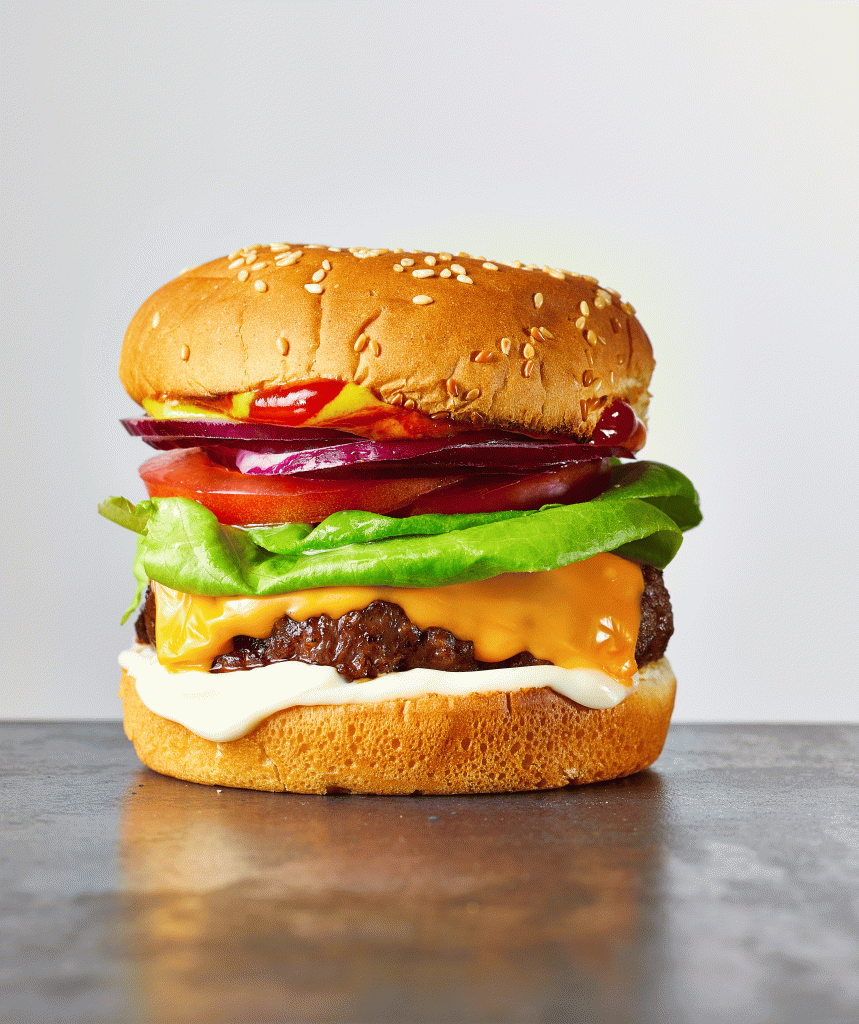
Th2
A truly great grilled burger is basically a magic trick: juicy inside, browned and crusty outside, and somehow not
falling through the grates like a tragic beef confetti situation. The good news? You don’t need secret ingredients
or a culinary degreejust the right meat, smart patty handling, and a grill setup that works with you (not
against you).
This guide breaks down the full “best homemade burgers on the grill” playbookmeat choices, seasoning, two-zone
grilling, timing, temperature, buns, toppings, and the small moves that separate “pretty good” from “why is everyone
suddenly silent and chewing?”
Start With the Right Meat (Because Burgers Are Not a Low-Fat Lifestyle Seminar)
Pick a blend that stays juicy
For classic homemade hamburger patties, a higher-fat blend is your friend. The most common sweet spot is
80/20 (80% lean, 20% fat). That fat doesn’t just add flavorit helps protect the burger from drying
out on high heat and supports a tender bite.
- 80/20 ground chuck: the go-to for juicy grilled burgers with good beefy flavor.
- 85/15: still workable, but you’ll want extra care (gentle handling, don’t overcook).
- 90/10 and leaner: can turn dry fast unless you use add-ins (and even then, it’s tricky).
Freshness and grind matter more than fancy add-ins
If you can, buy ground beef the day you plan to grill. A coarser grind often gives a better burger texture (less
“meat paste,” more pleasant bite). If you’re getting beef from a butcher, ask for a burger-friendly grind and an
80/20 ratio.
One more reality check: store-bought ground beef should be cooked to a safe internal temperature, so building a
burger that stays juicy even when cooked safely is part of the craft.
Form Patties Like You’re Handling a Stress Ball You Actually Respect
Rule #1: Don’t overmix the meat
The more you mash and mix, the tighter and tougher the burger can get (think: rubbery meatball energy). Keep it
simple: portion the meat, gently form, and stop fiddling.
Size and thickness that grill well
For the best homemade burgers on the grill, aim for patties that are thick enough to stay juicy but not so thick
they burn outside before the center cooks safely. A reliable middle ground:
- Weight: about ⅓ pound per patty (great balance of crust and juiciness).
- Thickness: roughly ½ to ¾ inch.
- Diameter: slightly wider than your bun (burgers shrink as they cook).
The dimple trick (aka “anti-meat-dome technology”)
Make a shallow indentation in the center of each patty (about the width of two fingers). As the burger cooks, the
edges tighten and the center swells; the dimple helps keep the patty flatter so you don’t end up with a burger that
looks like it’s trying to become a meatball.
Seasoning: Keep It Simple, Time It Right
Salt at the right moment
Salt is essentialbut timing matters. Salt draws moisture and can change texture if it sits too long on the meat.
For a better crust and juicier interior, season with salt and pepper
right before the patties hit the grill.
A basic burger seasoning that always works
- Kosher salt
- Freshly ground black pepper
- Optional: a pinch of garlic powder or onion powder (light touch, not a spice cabinet avalanche)
Skip mixing seasonings into the meat if you want that classic steakhouse-style burger texture. Surface seasoning is
usually enoughand it helps you avoid overhandling the beef.
Set Up Your Grill for Success: Clean, Hot, and Two-Zone
Why two-zone grilling is the burger cheat code
Two-zone grilling means you create a hot direct-heat zone (for searing) and a
cooler indirect-heat zone (for finishing). This gives you controlespecially if flare-ups happen.
Burgers cook better when you can move them away from flames without panicking like you’re defusing a delicious bomb.
How to set up two-zone heat
- Gas grill: Turn burners on one side to medium-high; leave the other side off (or very low).
- Charcoal grill: Pile coals on one half of the grill; keep the other half coal-free.
Preheat and prep the grates
- Preheat: Give the grill time to get properly hot (10–15 minutes is common).
- Clean: Brush grates once hot (old bits are not “seasoning,” they’re yesterday’s regret).
-
Oil: Lightly oil the grates using a folded paper towel dipped in oil and held with tongs.
(Don’t spray oil into open flames unless you enjoy surprise fireball auditions.)
How to Grill Burgers Like a Pro: The Step-by-Step Method
Step 1: Place patties on the hot zone
Put the patties on the direct-heat side of the grill. You should hear an immediate sizzle. If you don’t, the grill
isn’t ready yet.
Step 2: Don’t press the patties
Pressing with a spatula squeezes juices out. Those juices belong in your burger, not in the flames. Let the patty
sear undisturbed until it naturally releases from the grates.
Step 3: Flip once (yes, really)
Flip when the first side is deeply browned and the burger releases easily. A common cue: moisture starts pooling on
the top surface. One confident flip beats five nervous flips.
Step 4: Manage flare-ups without drama
If flames leap up, move the burgers to the indirect side temporarily. Flare-ups are normalfat drips, fire reacts.
Two-zone grilling lets you stay in control and keep the exterior from turning into charcoal cosplay.
Step 5: Use a thermometer and cook to a safe temperature
For store-bought ground beef, the safest move is cooking burgers to
160°F internal temperature. Insert the thermometer into the side of the patty toward the center for
the most accurate reading.
Timing will vary by thickness and grill heat, but many ½–¾ inch patties land somewhere around
8–12 minutes total, flipping oncethen finishing on the cooler side if needed.
Step 6: Add cheese at the end (and trap a little heat)
Add sliced cheese during the final minute or two. Close the lid briefly to help it melt evenly. If you’re feeling
fancy, add a tiny splash of water to the grill surface away from flames and close the lid to create a quick burst of
steaminstant melty perfection.
Step 7: Rest the burgers (short, but worth it)
Let burgers rest 2–3 minutes after grilling. This helps juices settle so your first bite doesn’t turn the bun into a
soggy sponge.
Buns, Toppings, and Assembly: The “Best Burger” Is a Team Sport
Toast the buns (non-negotiable if you like happiness)
Toasting creates a barrier against juices and adds flavor. Butter the cut sides lightly and toast on indirect heat
for 30–60 seconds until golden. Keep an eye on thembuns go from “perfect” to “campfire souvenir” fast.
Classic topping lineup (with upgrades)
- Crunch: lettuce, shredded iceberg, pickles, crispy onions
- Fresh: tomato, thin-sliced onion, quick pickled red onions
- Rich: cheddar, American cheese, blue cheese, bacon
- Sauces: mayo + ketchup + pickle relish (easy “burger sauce”), mustard, BBQ sauce
Three specific burger builds to steal
- Backyard Classic: cheddar, lettuce, tomato, onion, pickles, ketchup + mustard on a toasted bun.
- Smoky BBQ Crunch: pepper jack, BBQ sauce, crispy onions, pickles (sweet + tangy + crunchy).
- Diner-Style Sauce Bomb: American cheese, shredded lettuce, chopped pickles, “burger sauce,” toasted bun.
Troubleshooting: Fix the Common Burger Problems
Problem: Burgers stick to the grill
- Make sure the grill is fully preheated.
- Clean and lightly oil the grates.
- Don’t flip too earlywait until the crust forms and the patty releases.
Problem: Burgers are dry
- Use a higher-fat blend like 80/20.
- Don’t overmix or overhandle the meat.
- Cook with a thermometer and don’t overshoot your target temperature.
- Finish on indirect heat if the outside is browning too fast.
Problem: Burgers fall apart
- Keep patties cold until grilling time.
- Form gently but firmly (no cracks on the edges).
- Avoid overly wet add-ins inside the patty.
Problem: Flare-ups burn the outside
- Use two-zone grilling so you can move burgers to safety.
- Trim extreme excess fat if you’re using very fatty meat.
- Keep the lid open briefly if flames surge, then move burgers to indirect heat.
Make-Ahead Burgers and Freezer Wins
Meal-prep patties without sacrificing texture
Form patties, place parchment between them, and refrigerate for a few hours (or freeze flat on a tray before
stacking). If freezing, season after the patties come outsalt sitting on the surface for days can
pull moisture and affect texture.
Grilling frozen patties (yes, it can work)
Frozen patties can be grilled successfully when they’re not too thick. Use a hot zone for searing, then shift to
indirect heat to finish. This is one of those “weekday hero” tricks when you want grilled burgers without starting
from scratch.
Food Safety and Handling: The Unsexy Part That Keeps Everyone Happy
- Keep raw ground beef cold until you’re ready to form patties and grill.
- Use separate plates and utensils for raw and cooked burgers.
- Wash hands and surfaces after handling raw meat.
- Use a thermometercolor isn’t a reliable indicator of doneness for ground beef.
If you remember just one safety rule: cook store-bought ground beef burgers to
160°F internal temperature for a safer backyard cookout.
Experience Notes: The Real-World Stuff That Makes Burgers Legendary (About )
There’s a funny thing about grilling the “best homemade burgers on the grill”: the breakthroughs usually aren’t
fancy. They’re small, slightly boring choices that add uplike preheating longer than you think you need, or
resisting the urge to press a patty because you want to feel productive with your spatula.
One common experience for new grillers is chasing certainty. You flip early “just to check,” press down “to
help it cook,” and move burgers around “so they don’t burn.” The result is often a burger that’s technically cooked
but emotionally disappointing. The more confident path is the opposite: set up two zones, get the grates hot, place
the patties down, and let the crust form. That crust is your insurance policyonce it develops, the burger releases
cleanly, stays intact, and tastes like something you’d happily pay for.
Another real backyard lesson: most “dry burger” disasters start before the grill even turns on. Overmixing is a big
oneespecially when people add a bunch of sauces and seasonings into the meat and then knead it like dough. It feels
like you’re building flavor, but you’re often building toughness. The best grilled burger recipe is surprisingly
minimalist: good beef, salt and pepper, and smart heat management. If you want big flavor, put it in the toppings
(sharp cheese, tangy pickles, smoky sauce) instead of overworking the patty.
Then there’s the moment everyone remembers: flare-ups. You’re feeling proud, the burgers look great, and suddenly a
flame pops up like the grill is auditioning for an action movie. This is where two-zone grilling earns its keep.
Instead of panic-flipping and pressing (which feeds the flames with dripping juices), you simply slide the burgers to
the cooler side, close the lid for a bit, and keep cooking. It’s a calm move that makes you look like you know what
you’re doingeven if five minutes ago you were googling “how long to grill burgers” with one hand while holding tongs
with the other.
Buns are another sneaky upgrade people learn through experience. A soft, untoasted bun can collapse under a juicy
burger and turn into a sad sponge by bite three. Toasting changes everything: you get crunch, better structure, and a
little buttery flavor that makes the whole burger taste more intentional. The same goes for letting burgers rest for
a couple of minutesthose tiny pauses are what keep the bun from becoming a sauce-soaked slip-and-slide.
And finally, the most consistent “best burger” experience: the thermometer confidence boost. Guessing doneness is
stressful, especially when you’re cooking for other people. A quick temperature check removes the anxiety and helps
you hit safe, juicy results on purposenot by luck. Once you feel that control, grilling homemade burgers stops being
a chaotic event and starts being a repeatable win. That’s when burgers become your signature cookout move… and your
friends say “we should do this again” while already reaching for the last one.
