
How to Survive an Earthquake: An Expert-Backed Guide
Th3
Earthquakes are the ultimate “no RSVP” event. One second you’re minding your business, the next your hanging lamp is doing interpretive dance.
The good news: the best earthquake survival tips are simple, research-backed, and absolutely learnable. The even better news: you don’t need to be a
wilderness survival expert with a thousand-yard stareyou just need a plan, a few supplies, and the right reflexes.
This guide is based on widely used U.S. safety recommendations from organizations like the U.S. Geological Survey (USGS), FEMA/Ready.gov, the CDC,
and the American Red Cross. Use it to prepare at home, at school, at work, and while travelingbecause earthquakes don’t care if you’re in pajamas.
The 10-Second Survival Rule: Drop, Cover, and Hold On
If you remember nothing else, remember this: Drop, Cover, and Hold On.
It’s recommended because many injuries happen when people try to move around during shakingor when things fall, slide, or shatter nearby.
Your goal is not to “beat the earthquake.” Your goal is to protect your head and neck and reduce your chances of getting hit by falling or flying objects.
- Drop to your hands and knees (this prevents you from being knocked over).
- Cover your head and neck, and take shelter under a sturdy table/desk if possible.
- Hold On to your shelter (or keep covering your head/neck) until the shaking stops.
Think of it like a seatbelt for your body: it won’t stop the quake, but it dramatically improves your odds.
And yesthis is still the advice even if your instincts scream, “RUN!” (Instincts are great for escaping bees. They’re not always great for earthquakes.)
Before the Ground Shakes: Prepare Like a Calm Person in a Disaster Movie
Earthquake preparedness is less about fancy gear and more about preventing the most common household hazards:
falling furniture, broken glass, blocked exits, and being stuck without basics. A little setup now pays off big later.
1) Secure Your Space (a.k.a. Stop Your Stuff From Becoming a Projectile)
“Non-structural hazards” (things that aren’t part of the building) are a big reason people get hurt. Start with the areas where you spend the most time:
beds, sofas, desks, and kitchen workspaces.
- Anchor tall bookcases, dressers, and shelving to wall studs.
- Strap TVs/monitors and place heavy items on lower shelves.
- Install latches on cabinets so they don’t fling open during shaking.
- Secure hanging items (mirrors, frames) away from beds and seating.
- If you can, brace/strap a water heater (it’s heavy, and it can be damaged during quakes).
2) Build a “Two-Kit” System: Home Kit + Grab-and-Go Bag
The best emergency kits are the ones you can actually reach. Plan for two situations:
shelter at home and leave quickly.
Home kit essentials (for at least 3 days)
- Water: about 1 gallon per person per day (drinking + basic sanitation).
- Food: non-perishable, easy-to-eat items (plus a manual can opener if needed).
- Flashlight/headlamp and extra batteries (earthquakes love power outages).
- Battery-powered or hand-crank radio for updates.
- First aid kit and a supply of prescription medications.
- Chargers/power bank, copies of important documents, and some cash.
- Sturdy shoes and work gloves (broken glass is an aftershock’s best friend).
- Pet supplies: food, water, leash/carrier, and any medications.
Go-bag essentials (lightweight, easy to carry)
- Water, snacks, flashlight, phone charger, basic first aid.
- Warm layer/blanket, hygiene basics, spare glasses/contacts if needed.
- Small list of emergency contacts and meeting locations.
3) Make a Simple Family Communication Plan
After a quake, you may not be able to call right away. A plan keeps everyone from guessing.
Keep it boring and clearthis is not the moment for a complicated flowchart.
- Pick an out-of-area contact everyone can text (often easier than local calling).
- Choose two meetup spots: one near home, one outside the neighborhood.
- Decide how you’ll handle kids at school and pets at home.
- Practice the plan once or twice a yearmuscle memory beats panic.
4) Know Your Safe Spots (Before You Need Them)
Safe spots are usually under sturdy furniture or next to an interior wall, away from windows, heavy objects, and tall furniture.
Walk room to room and identify where you’d take coverespecially in bedrooms, living rooms, and offices.
5) Turn On Alerts and Use Early Warning (When Available)
In parts of the U.S., earthquake early warning can give you a few seconds before strong shaking arrivesenough time to drop and cover.
Also enable Wireless Emergency Alerts on your phone and keep a weather/emergency alert app set for your location.
During an Earthquake: What to Do Where You Are
If you are indoors
- Stay inside. Don’t run outside during shaking (falling debris is a major hazard).
- Drop, Cover, Hold On. Get under a sturdy desk/table if you can.
- Stay away from windows, glass, fireplaces, and tall furniture.
- Don’t use elevators. If you need to evacuate later, use stairs after shaking stops.
- Skip the doorway. In modern buildings, doorways aren’t “extra safe,” and moving to one can increase risk.
If you’re in bed
If you’re already lying down, you can often stay put: turn face down if possible and cover your head and neck with a pillow.
Only move if there’s an immediate danger overhead (like a heavy object that could fall).
If you use a wheelchair or have limited mobility
- Lock your wheels (if possible).
- Cover your head and neck with your arms, a pillow, or a book.
- If you can safely get under a sturdy table, do sootherwise stay away from windows and outer walls.
If you’re in a high-rise or crowded place
- Stay on the same floor during shaking; don’t rush the stairs while things are moving.
- Drop, cover, and hold onideally under sturdy furniture.
- After shaking stops, evacuate only if the building is unsafe and follow staff/emergency instructions.
- Expect longer swaying in taller buildingsstay focused on protection, not traveling.
If you’re outside
- Move to an open area away from buildings, power lines, trees, signs, and streetlights.
- Drop low and protect your head/neck if debris is a concern.
- Stay put until the shaking stops.
If you’re driving
- Pull over to a safe spot and stop.
- Avoid stopping under bridges, overpasses, power lines, and other overhead hazards.
- Stay in the vehicle until shaking stops, then drive carefully and avoid damaged roads.
If you’re near the coast
Earthquakes can trigger tsunamis. If you’re in a coastal area and you feel strong shaking, once it stops:
pay attention to official alerts and local instructions. If there’s a tsunami warningor natural signs like unusual ocean behaviormove to higher ground or inland.
Right After an Earthquake: The First 15 Minutes Matter
The quake may be over, but the hazards aren’t. Aftershocks can follow, and small mistakes (like lighting a candle near a gas leak)
can turn a survivable situation into a dangerous one.
1) Check yourself first, then help others
Take a breath. Check for injuries. Then check on kids, older adults, neighbors, and anyone who may need assistance.
Keep first aid practical and within your training. When in doubt, get professional help.
2) Expect aftershocks
Aftershocks can occur minutes, hours, days, or even longer after a major quake. Treat them seriouslyespecially around damaged buildings.
If an aftershock hits, go right back to Drop, Cover, and Hold On.
3) Watch for hazards: gas, electricity, fire, and debris
- Put on sturdy shoes and gloves before moving through debris.
- Open cabinets carefullycontents may have shifted.
- Stay away from downed power lines and damaged utility equipment.
4) Use flashlights, not candles
If the power is out, reach for a flashlight or headlamp first. Open flames plus possible gas leaks is a risky combination.
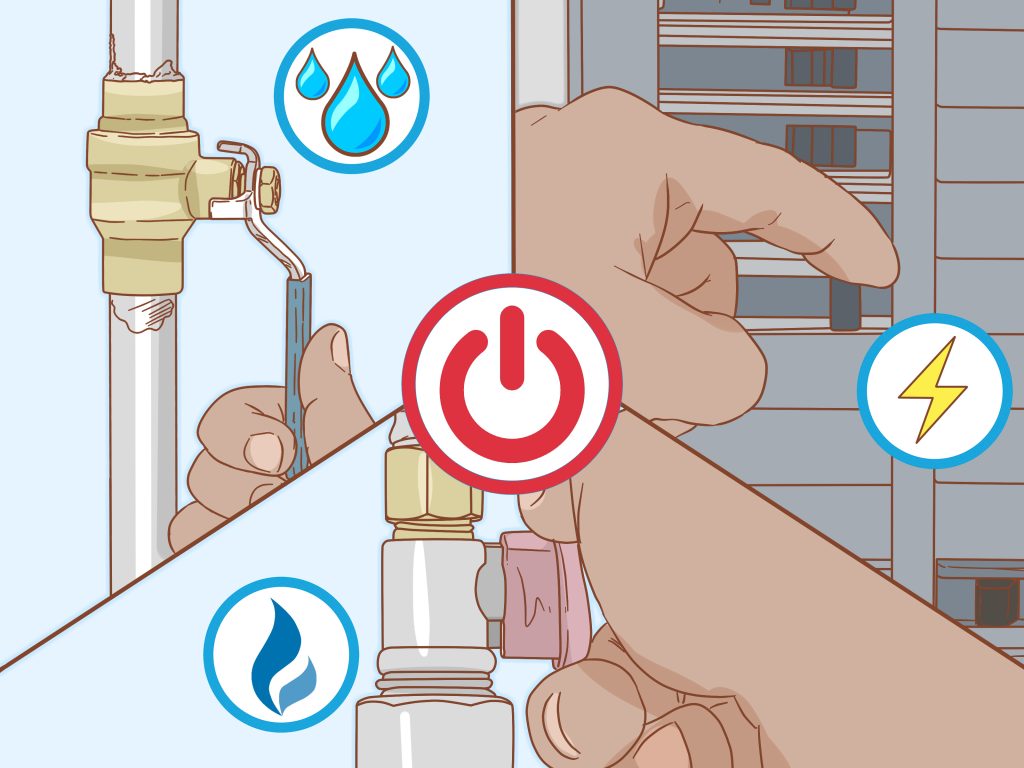
5) If you smell gas or suspect a leak
- Leave the area/building immediately if it’s unsafe.
- Don’t flip switches or use anything that could create a spark.
- If instructed or if it’s safe to do so, shut off the gas from the main valve outside.
- Know that if gas is shut off, a professional may be required to restore service.
6) Prevent carbon monoxide poisoning
After disasters, people sometimes use generators or fuel-burning devices incorrectly. Carbon monoxide is invisible and dangerous.
Use generators only as directed by the manufacturertypically outdoors and far from windows/doorsand rely on battery options when possible.
7) Water and food safety
- Use stored/bottled water if you’re unsure about tap safety.
- Keep refrigerator/freezer doors closed as much as possible if power is out.
- Follow local boil-water or safety advisories.
The First 72 Hours: Stay Fed, Informed, and Uninjured
Your priorities are basic: safety, communication, shelter, and supplies. This is where preparation pays off the most.
Stay informed (without doom-scrolling)
- Use a battery/hand-crank radio for official updates if cell service is limited.
- Prefer texting over calling to reduce network congestion.
- Follow instructions from local emergency management.
Check your home before re-entering or settling in
- If you see serious structural damage, relocate to a safer place.
- Keep exits clear and avoid clutter that could trip you during aftershocks.
- If you must evacuate, take your go-bag, keys, meds, and identification.
Think community, not solo-hero
Earthquakes are one of those times when knowing your neighbors becomes a superpower.
Check on people who may need help, share information, and coordinate resources. It improves safety and speeds recovery.
Earthquake Myths That Refuse to Retire
- Myth: “Doorways are the safest place.” Reality: In modern buildings, doorways aren’t stronger than other areas and don’t protect you from falling objects.
- Myth: “Run outside as fast as possible.” Reality: Injuries often happen outside from falling debris and glass.
- Myth: “Earthquakes only matter on the West Coast.” Reality: Quakes happen across the U.S.risk varies, but preparedness still helps.
- Myth: “If I don’t have a kit, I’m doomed.” Reality: Even small steps (shoes by the bed, a flashlight, securing a bookshelf) meaningfully reduce risk.
Experience-Based Lessons: What People Say They Wish They’d Done (Extra Field Notes)
Official guidance is the foundationbut lived experience adds the texture. After earthquakes, many survivors describe the same “small” moments
that suddenly felt huge. Here are common lessons people report, translated into practical moves you can steal for your own plan.
1) “I didn’t realize the shaking was the easy part.”
A lot of people say the quake itself felt fast and unreal, but the aftermath was what tested them:
aftershocks, dark hallways, alarms, and the mental whiplash of figuring out what’s safe. One repeated takeaway:
your brain gets foggy under stress. That’s why rehearsed actions (Drop, Cover, Hold On; grab shoes and a flashlight; check a meeting spot)
are so valuablethey work even when you’re not thinking clearly.
2) “The floor was a messglass everywhere.”
People often mention being surprised by the simplest hazard: walking barefoot afterward. Dishes break. Picture frames fall. A single cracked window can spread shards.
The most common “I wish I had…” item is hilariously unglamorous: sturdy shoes within arm’s reach. Many folks keep a pair by the bed now,
along with a small flashlight/headlamp. It’s not dramatic preparednessit’s just smart.
3) “Everything I needed was in the one cabinet that wouldn’t open.”
Shaking can jam doors, shift furniture, and fling cabinets open (or shut tight). Survivors often suggest distributing essentials in more than one place:
a flashlight in the bedroom, a basic first-aid kit in the kitchen, a go-bag near the exit, water in a closet that’s easy to access.
The theme is redundancybecause your “main supplies” might be blocked right when you want them.
4) “We wasted time trying to call everyone.”
Communication is emotional, not just practical. People naturally want to hear voices. But after quakes, networks can be overloaded.
Many survivors say texting and having an out-of-area contact made everything easierone person receives updates and relays them.
Another common tip: write down key numbers. When your phone battery is low and your brain is fried, you’ll be glad your plan is not stored only in your memory.
5) “Aftershocks made us jumpy.”
Aftershocks can turn normal tasks (cleaning up, cooking, showering) into stop-and-start routines. Survivors describe sleeping lightly, listening for creaks,
and hesitating to re-enter rooms with visible damage. A helpful mindset shift:
assume aftershocks will happen, keep pathways clear, and avoid stacking heavy items where they could fall.
People also say it helped to keep a “safe spot” in each roomso if an aftershock hits, you don’t waste time deciding where to go.
6) “Neighbors mattered more than we expected.”
Again and again, stories highlight community: someone with a spare radio sharing updates, a neighbor checking on an older adult, families pooling supplies,
or a block deciding to keep an eye out for hazards together. Even small connections before a disasterknowing names, who has pets, who has medical needs
can reduce chaos after. The takeaway: preparedness isn’t just a closet full of supplies; it’s also relationships.
7) “The best plan was the simple one.”
Survivors frequently say that overly complex plans didn’t survive the moment. The plans that worked were basic:
one meeting spot, one out-of-area contact, one go-bag, one clear “if we separate, do this” rule.
If you want to upgrade your odds fast, pick one improvement you can finish todaylike strapping a bookshelf or assembling a small go-bag
and then build from there. The most resilient approach is steady, not perfect.
Conclusion
Earthquake survival isn’t about being fearlessit’s about being ready. Practice Drop, Cover, and Hold On.
Secure the things that can fall. Keep water, light, shoes, and a plan within reach. And after a quake, treat aftershocks and hazards with respect.
You can’t control when the ground moves, but you can control how prepared you are when it does.
