
Keith Urban Has a Message for Former ‘Voice’ Coach Kelly Clarkson
Th3
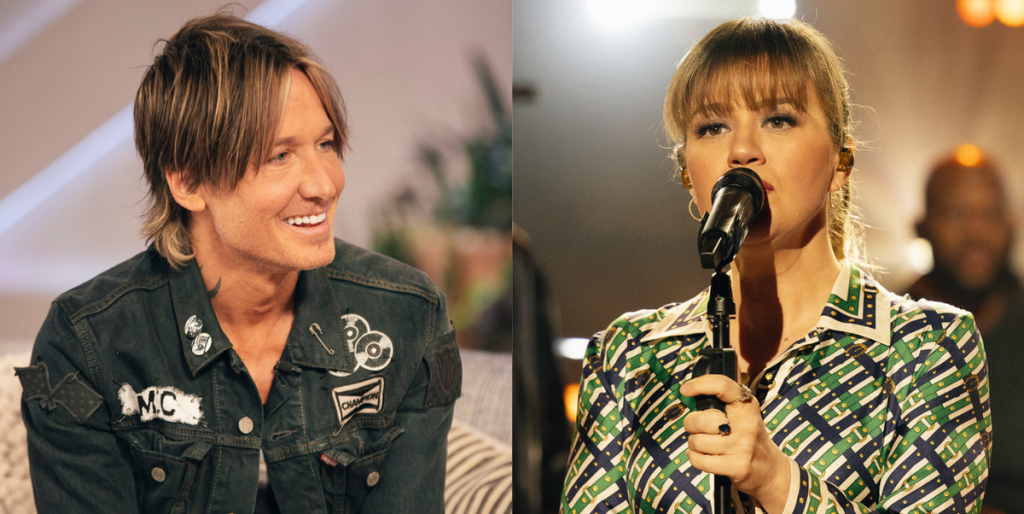
Celebrity news usually gives us two choices: a dramatic feud or a blurry paparazzi photo of someone buying coffee. This story, thankfully, is neither. It’s a genuinely fun music momentone where Keith Urban heard Kelly Clarkson sing one of his biggest songs and responded like the rest of us would: with excitement, admiration, and a very relatable “wait… can you sing more of my catalog, please?”
The spark came from Clarkson’s wildly popular Kellyoke segment, where she covers songs across genres and somehow makes each one sound like it was written for her. When she performed Urban’s early-2000s anthem “Somebody Like You”, the clip spread fast, fans went full duet-detective mode, and Urban jumped in with a playful public message that instantly became headline material.
But this is bigger than a one-line reaction on social media. It touches on everything fans love about music TV: mutual respect between artists, crossover star power, and the ever-evolving The Voice universewhere Urban was stepping in as a mega mentor and Clarkson had already built a long legacy as one of the show’s most successful coaches.
The Message That Got Everyone Talking
The headline moment is simple and excellent: Keith Urban publicly praised Kelly Clarkson after hearing her cover “Somebody Like You.” His message was warm, funny, and flatteringthe kind of artist-to-artist reaction fans love because it feels real, not scripted.
In short, Urban’s vibe was: you sound amazing, you always sound amazing, and yes, I absolutely have requests. That playful “do you take requests?” line did a lot of work. It wasn’t just a compliment; it was a wink at future possibilities, and fans immediately picked up on it.
The timing helped too. Clarkson’s cover had just circulated through the show’s social channels, and the public exchange made the moment feel live and communal. It wasn’t buried in a long interview or tucked into a press junketit happened where fans were already watching, reacting, and sharing.
This is why the story traveled so well in entertainment and music media: it combined three reliable ingredientsa beloved song, a powerhouse cover, and a star’s spontaneous approval. In internet terms, that’s premium fuel.
Why Kelly Clarkson’s Cover Hit So Hard
Let’s be honest: not every cover works. Some feel like karaoke with a better budget. Clarkson’s didn’t. Her version landed because she treats covers like performances, not impressions. She doesn’t try to “be” Keith Urban; she brings the song through her own vocal style while preserving what makes the original so addictive.
That balance is the whole magic of Kellyoke. Clarkson can move from pop to rock to country and still sound emotionally connected to the material. In this case, she took one of Urban’s most recognizable tracks and gave it enough vocal texture to feel fresh while still making fans think, “Yep, that’s the song I know and love.”
It also helps that “Somebody Like You” is built for audience reaction. It’s upbeat, melodic, and instantly familiar, which makes it ideal for daytime TV and social clips. A great song plus a great vocalist equals a very predictable outcome: comments full of “we need a duet.”
And fans were not subtle about it. Once Urban responded, the conversation shifted from “nice cover” to “please put these two on a stage together immediately.” That’s the kind of organic momentum artists and TV producers dream about.
The ‘Voice’ Connection Made the Story Even Better
The phrase “former Voice coach” matters here, because it gives the story a built-in TV arc. Kelly Clarkson isn’t just a singer and talk-show hostshe’s one of the defining modern coaches in The Voice universe. Her run on the show made her a fan favorite, and she built a reputation for being both funny and genuinely invested in contestants.
At the same time this cover story was circulating, Keith Urban was stepping into The Voice as Season 25’s Mega Mentor, joining the coaches for the Knockout Rounds. That meant he was already in the spotlight for The Voice fans, which made his comment to Clarkson feel even more connected to the show’s larger ecosystem.
In other words: this wasn’t just “country star comments on a cover.” It was The Voice-adjacent crossover content at exactly the right momentan active mentor praising a beloved former coach while fans were already tuned in to the competition.
It also reinforced Urban’s public image as an artist who genuinely enjoys mentoring. Reports around his Season 25 appearance emphasized his role in helping contestants prepare for Knockouts, and that “artist helping artists” energy is the same tone fans heard in his message to Clarkson. Even in a compliment, he sounded like a collaborator.
Why This Matters for The Voice Brand
Shows like The Voice thrive on continuity. Fans don’t just follow contestants; they follow coaches, former coaches, mentors, and alumni moments. When Keith Urban and Kelly Clarkson interact publicly, it extends the life of the show beyond a single episode schedule.
It creates a wider entertainment loop: daytime TV viewers meet country fans, country fans revisit The Voice, and The Voice audiences get another reason to talk about both stars. That is very good television businessand very good fan service.
Keith Urban and Kelly Clarkson Have a Longer History Than This Headline Suggests
Part of what makes Urban’s message feel so warm is that these two aren’t strangers crossing paths for the first time. Their careers have overlapped in the talent-show universe for years, and they’ve had a few memorable moments that make this latest exchange feel like a continuation rather than a random collision.
One of the most emotional examples goes back to Clarkson’s American Idol performance of “Piece by Piece,” when Urbanthen serving as an Idol judgewas visibly moved. That clip became one of those “everyone in the room felt it” TV moments and is still referenced whenever people talk about Clarkson’s ability to turn a performance into a full emotional event.
Fast-forward, and their chemistry has remained obvious. In late 2024, they even shared a live duet moment on The Kelly Clarkson Show, which added real proof to what fans were already saying online: their voices blend extremely well. So when fans ask for a duet after the “Somebody Like You” cover, it doesn’t sound like wishful thinking anymore. It sounds like a reasonable scheduling challenge.
There’s also a shared professionalism here that fans can feel. Clarkson respects songs enough to reinterpret them thoughtfully; Urban respects singers enough to celebrate great performances publicly. That combination tends to produce collaborations worth watching.
Why “Somebody Like You” Still Works in 2026
A big reason this story resonated is the song itself. “Somebody Like You” isn’t just “an old Keith Urban track”it’s one of his signature songs and a key part of his rise as a mainstream country star in the early 2000s.
The track’s staying power matters. Fans across age groups recognize it, and even casual listeners tend to know the hook. That makes it perfect cover material: nostalgic enough to trigger excitement, but familiar enough that a new rendition can spread quickly on social media and TV clips.
Industry-wise, the song has had serious longevity. It’s closely tied to Urban’s Golden Road era and is regularly cited as one of the defining country hits of that decade. That gives Clarkson’s cover extra weightit wasn’t a random deep cut; it was a performance of a song with real history.
And that’s what made Urban’s reaction feel especially meaningful. Artists can be picky about signature songs. When the original artist hears a fresh version and responds with genuine enthusiasm, fans read that as a stamp of approvaland usually, they’re right.
What Fans Really Heard in Keith Urban’s Message
On the surface, Urban’s message was a compliment. Underneath, it was something more valuable: a public acknowledgment of Clarkson’s range and credibility as a vocalist. In entertainment culture, that kind of praise from a respected peer carries more weight than a thousand “OMG queen” comments (lovely comments, to be clear, but still).
Fans also heard possibility. The playful tone sounded like an open door:
- More Kellyoke country covers?
- A Kelly Clarkson Show duet appearance?
- A live awards-show performance?
- Maybe a one-off collaboration track?
None of those were officially announced in the original moment, but the reaction showed how quickly audiences can turn one supportive artist exchange into a broader music conversation. That’s not fan delusionit’s pattern recognition. When artists publicly compliment each other this specifically, something often follows.
Extended Experience Section: Why Moments Like This Stick With Fans (Approx. 500+ Words)
If you follow music shows, talent competitions, or even just daytime performance clips, you know there’s a difference between a content moment and a memory moment. Keith Urban’s message to Kelly Clarkson became a memory moment because it gave fans the feeling that they were watching a real-time chain reaction: performance, praise, public response, and shared excitement.
That experience matters more than people think. Most fans don’t get to see how artists talk to each other offstage. We usually get polished interviews and tour promos. But a quick, enthusiastic reaction to a cover song? That feels closer to the backstage version of the music industryone artist hearing another artist and immediately saying, “Yes. That was great.”
It’s also a reminder of why Clarkson’s TV presence has lasted so long. Whether she’s coaching on The Voice, hosting daytime TV, or singing a two-minute cover before an interview segment, she creates moments that feel personal. Viewers don’t just watch her sing; they watch her connect to songs. That emotional transparency invites artists like Urban to respond with the same warmth.
For country fans, the experience is a little different but just as fun. There’s a special kind of pride when a major pop/mainstream TV platform spotlights a country classic and absolutely nails it. It’s not just “Kelly sounded good”it’s “our song got the respect it deserves.” Urban’s reaction made that feeling official. He didn’t treat the cover like a novelty. He treated it like a legitimate performance worth celebrating.
Then there’s the The Voice factor, which adds a whole extra layer of viewer experience. Fans of competition shows get attached to coaches and mentors because those roles reveal personality: who gives smart advice, who stays calm, who jokes around, who pushes contestants in the right way. Urban’s Mega Mentor role and Clarkson’s long coach history make their interaction feel like part of a larger TV universe. It’s the same reason crossover episodes work in scripted showsyou already know the characters, so the interaction feels richer.
Another reason this moment sticks is that it offers a break from the fake drama cycle. No feud. No “insider says” nonsense. No mysterious unfollowing. Just one singer praising another singer, and fans having a great time with it. It’s refreshingly low-stakes and high-reward.
From a creator or performer perspective, there’s a useful takeaway here too: public encouragement matters. Urban could have said nothing. Clarkson could have posted the performance and moved on. Instead, one supportive comment created a full conversation across entertainment outlets, music media, and fan communities. It shows how authenticity can outperform marketing when the moment is genuine.
And finally, for viewers, this is the kind of moment that keeps people coming back to music television in all its forms. Not just for competition results or chart talk, but for those unexpected intersectionswhen a cover turns into a compliment, a compliment turns into collaboration chatter, and everyone leaves the conversation hoping the next surprise is a duet.
Conclusion
Keith Urban’s message to Kelly Clarkson may have started as a quick reaction to a Kellyoke cover, but it landed because it combined respect, timing, and fan-friendly chemistry. Clarkson reminded everyone why she can move between genres so effortlessly. Urban reminded everyone why artists and audiences love him: he mentors, he listens, and he gives credit generously.
The The Voice connection gave the story extra heat, but the real engine was the music. A beloved song, a standout cover, and an artist-to-artist nod created the kind of entertainment moment that feels both current and timeless.
In a media landscape crowded with noise, this one cut through with something rare: pure appreciation. And honestly? We’ll take that over manufactured drama every single time.
