
5 Gorgeous Ways to Use Succulents
Th5
Succulents are the rare plants that look like modern sculpture, survive a little forgetfulness, and politely ask for less water instead of daily emotional support. With their plump leaves, rosette shapes, trailing stems, powdery blues, lime greens, silvery grays, and dramatic burgundy edges, succulents can turn almost any corner of your home or garden into a tiny design moment.
But here is the secret: the most gorgeous succulent displays are not just “plant, hope, and occasionally whisper encouragement.” They work because the design matches the plant’s needs. Succulents generally prefer bright light, fast-draining soil, containers with drainage, and watering that lets the soil dry between drinks. When those basics are handled, you can use succulents in everything from tabletop centerpieces to living wall art.
Below are five beautiful, practical, and surprisingly flexible ways to use succulents indoors and outdoorswithout turning your home into a desert-themed science experiment.
1. Create a Stunning Succulent Container Garden
A succulent container garden is the classic for a reason. It is compact, customizable, and perfect for patios, balconies, windowsills, coffee tables, front steps, or that lonely corner of the porch currently occupied by one sad flip-flop.
Why It Works
Succulents naturally bring strong shapes and textures to a container. A single echeveria can look like a carved flower. Sedum adds soft, spreading texture. Jade plant gives structure. String of pearls or burro’s tail can spill gracefully over the rim. Agave, aloe, and haworthia add bold architectural lines. Together, they create a living arrangement that looks intentional even when the care routine is refreshingly simple.
How to Design It
Start with a container that has at least one drainage hole. This is not a tiny detail; it is the difference between “gorgeous mini garden” and “root soup.” Succulents dislike sitting in soggy soil, so choose a shallow bowl, terra-cotta pot, trough planter, ceramic dish, or modern concrete container with proper drainage.
Use a gritty, well-draining succulent or cactus mix. If you make your own, combine quality potting mix with mineral materials such as pumice, perlite, coarse sand, or fine gravel. The goal is soil that holds just enough moisture for the roots but does not stay wet for days.
For the prettiest result, combine three design elements: a focal plant, filler plants, and trailing plants. A large rosette echeveria, compact agave, or aloe can anchor the display. Smaller sedums, sempervivums, haworthias, or crassulas can fill the middle. Trailing varieties can soften the edge.
Style Ideas
For a modern look, use one color familysilvery blue echeverias, gray-green sedums, and pale stone topdressing. For a playful look, mix lime green, deep purple, pink-edged rosettes, and quirky shapes. For a rustic farmhouse style, plant succulents in a weathered wooden box lined with a plastic insert and drainage. For a desert-chic arrangement, add small stones, lava rock, or decorative gravel as a topdressing.
Care Tips
Place the container where it gets bright light. Indoors, a sunny window is usually best. Outdoors, give many succulents morning sun and some afternoon protection in very hot climates. Water thoroughly, then let the soil dry before watering again. If the leaves become mushy or transparent, you are probably overwatering. If they wrinkle and feel thin, they may need a drink. Succulents are low-maintenance, not no-maintenancelike a reliable friend who still expects you to answer texts occasionally.
2. Make a Living Succulent Centerpiece
Fresh flowers are lovely, but they have one small problem: they dramatically fade just when you have finished admiring them. A succulent centerpiece, on the other hand, can last for months or even years with the right setup. It is a beautiful choice for dining tables, weddings, coffee tables, mantels, office desks, and entryway consoles.
Why It Works
Succulents offer color and texture without needing constant replacement. Their compact root systems make them suitable for shallow vessels, and their sculptural shapes look polished from every angle. A low succulent centerpiece also keeps conversation flowing across the table, unlike tall floral arrangements that force guests to talk around a leafy skyscraper.
How to Build One
Choose a shallow container such as a ceramic bowl, wooden tray, metal trough, low planter, or footed dish. If the container has drainage, use it like a regular planter. If it does not, be extra careful with watering. Add a layer of well-draining succulent mix, arrange the plants tightly but not so tightly that airflow disappears, and finish with decorative stones or moss accents.
Group plants by similar light and water needs. This matters because a thirsty tropical plant and a drought-loving echeveria do not make peaceful roommates. For a cohesive look, repeat colors and shapes. For example, use three pale rosettes, two upright haworthias, and a few trailing sedums. Repetition makes the arrangement feel designed instead of accidentally assembled during a craft-store sprint.
Best Places to Use Succulent Centerpieces
On a dining table, a long narrow succulent arrangement looks elegant and leaves room for plates, glasses, and the very important bread basket. On a coffee table, a round bowl of mixed succulents can serve as a living sculpture. For weddings and parties, small potted succulents can double as table decor and guest favors. That is beauty with a practical exit strategy.
Care Tips
Give your centerpiece bright indirect light when it is not being used for an event. If it lives in a dim dining room, rotate it to a brighter window every few days. Water lightly and only when the soil is dry. For containers without drainage, use a small amount of water and avoid soaking the soil. If the centerpiece is temporary, you can later move the plants into individual pots with drainage, where they can continue growing happily.
3. Design a Succulent Terrarium or Mini Desert Garden
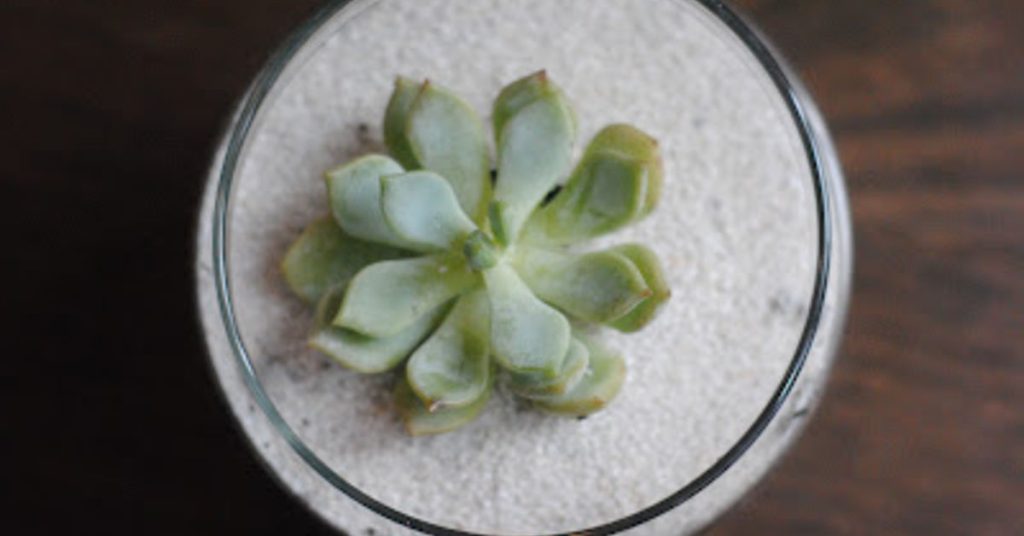
A succulent terrarium is basically a tiny landscape in a bowl, jar, or glass vessel. It is part garden, part decor, and part “look at me being charming on this shelf.” The key is using the right kind of terrarium. Succulents do not enjoy closed, humid environments, so open containers are the way to go.
Why It Works
Succulents are excellent for miniature gardens because many varieties stay compact and grow slowly. Their leaves and stems store water, making them better suited to dry, open displays than moisture-loving houseplants. In an open glass bowl, you can create a miniature desert scene with stones, sand, driftwood, small figurines, or natural accents.
How to Make It Beautiful
Choose a wide, open glass container that allows airflow. Avoid sealed jars or containers with narrow openings, because trapped humidity can encourage rot, algae, and fungal problems. Add a well-draining succulent mix rather than heavy garden soil. Decorative gravel can be used on top, but do not rely on a thick bottom layer of rocks as a magic drainage solution. Without a drainage hole, water still has nowhere to go, so careful watering matters more than decorative rock layers.
Use small succulents that match the scale of the container. Tiny echeverias, haworthias, gasterias, sedums, and small crassulas work well. Place taller plants toward the back or center, then use lower rosettes and spreading varieties around them. Leave a little breathing room so the display does not become a crowded plant subway at rush hour.
Mini Landscape Themes
For a desert look, use warm sand tones, pebbles, and one dramatic upright plant. For a coastal look, use pale stones, weathered wood, and blue-green succulents. For a modern look, keep the palette minimal with black stones, white gravel, and sculptural rosettes. For a whimsical look, add a tiny path, miniature bench, or little ceramic animaljust enough charm, not a full theme park.
Care Tips
Place the terrarium in bright light but avoid scorching direct sun through glass, which can heat up quickly. Water sparingly. A spoon, squeeze bottle, or small watering can with a narrow spout helps control moisture. If condensation appears on the glass, the environment is too damp. Move the terrarium to better airflow and reduce watering.
4. Turn Succulents Into Vertical Art
Succulents are not limited to sitting politely in pots. They can also climb walls, fill frames, trail from shelves, and transform blank vertical space into living art. A succulent wall planter, framed display, or hanging pocket garden can make a small space feel lush without taking over the floor.
Why It Works
Many succulents have shallow roots and store water in their leaves, which makes them useful for vertical plantings. They also come in rosette, trailing, upright, and mat-forming shapes, giving you a natural palette for patterns. A vertical succulent display can look like a botanical mosaiconly with fewer grout problems.
How to Use Succulents Vertically
Try a wall-mounted planter with individual pockets, a framed succulent garden, a tiered plant stand, a hanging basket, or a ladder shelf filled with small pots. If you want a living picture frame, use a frame designed for plants, lined with mesh or planting cells, and fill it with cuttings or rooted plugs. Let the plants establish horizontally for a few weeks before hanging the frame upright so roots can grip the growing medium.
For hanging baskets, choose trailing succulents such as string of pearls, string of bananas, burro’s tail, trailing sedum, or fishhooks senecio. For wall pockets, combine compact rosettes with small sedums and crassulas. Avoid large, heavy plants that may pull loose or make the display difficult to maintain.
Where to Place Vertical Succulent Displays
Outdoors, a sheltered patio wall, fence, balcony, or courtyard can be ideal. Indoors, a bright kitchen wall, sunroom, or home office can work if the plants receive enough light. If your home is dim, consider a grow light. Succulents stretching toward the nearest window are not “being dramatic”; they are asking for more light.
Care Tips
Vertical planters dry out faster than regular pots, especially at the top. Check moisture levels regularly and water carefully so the entire display gets hydrated without staying soggy. Rotate framed displays occasionally if one side receives more light. Trim leggy growth and replace struggling plants as needed. A vertical succulent display is living decor, which means a little editing is part of the beauty.
5. Use Succulents in Outdoor Landscapes and Entryway Displays
If you live in a climate where succulents can grow outdoors year-round, they can bring serious curb appeal. If your winters are cold, you can still use them seasonally in containers near doors, patios, steps, and seating areas. Either way, succulents make outdoor spaces feel intentional, modern, and wonderfully low-water.
Why It Works
Succulents are famous for drought tolerance because many store moisture in their leaves, stems, or roots. In landscape design, they provide bold form, strong texture, and year-round interest in mild climates. Agaves create dramatic focal points. Sedums soften edges. Sempervivums fill cracks and rock gardens. Aloes bring height and color. Echeverias add floral-looking rosettes without requiring a florist.
How to Design an Outdoor Succulent Space
Use succulents where drainage is excellent: raised beds, slopes, rock gardens, gravel gardens, retaining walls, and containers. If your soil is heavy clay, amend it carefully or plant in raised areas where water will not collect around roots. Add rocks, boulders, gravel mulch, or decomposed granite to create a naturalistic setting and help define the design.
Repeat a few plant shapes for a professional look. For example, use several blue-gray agaves as anchors, then surround them with lower sedums and warm-toned echeverias. In a front entry display, place large containers on either side of the door with matching or complementary succulents. On a patio, group pots of different heights for a layered look.
Outdoor Style Ideas
For a Mediterranean-inspired space, combine terracotta pots, gravel, lavender, rosemary, and sculptural succulents. For a modern entry, use black or white planters with bold agaves or aloes. For a cottage-meets-desert look, mix sedums, hens and chicks, ornamental grasses, and flowering perennials that enjoy similar dry conditions. For a small balcony, stack containers vertically and use trailing succulents to soften railings.
Care Tips
Match the plant to your climate. Some succulents tolerate frost, while others must be protected or brought indoors before cold weather. Watch for sunburn on newly planted succulents, especially if they were grown in shade before moving outdoors. Introduce them gradually to stronger light. Water deeply but infrequently, and avoid watering so often that the soil stays wet. In hot, dry weather, containers may need more frequent watering than in-ground plants.
Smart Succulent Design Rules That Make Every Display Better
Choose Plants With Similar Needs
Succulents are a big group, not a single personality type. Some love full sun, some prefer filtered light, some tolerate cold, and others behave as if 50°F is a personal insult. Before mixing plants, check their light, water, and temperature preferences. A container works best when every plant wants roughly the same care.
Respect Drainage
Drainage is the foundation of succulent success. Use pots with holes whenever possible. Choose gritty soil. Avoid heavy garden soil in containers. Decorative rocks are lovely on top, but they do not replace a drainage hole. Think of drainage as the plant version of good shoes: not glamorous, but absolutely necessary.
Use Color Like a Designer
Succulents come in soft green, blue, silver, burgundy, pink, purple, chartreuse, and even near-black tones. Use contrast to make arrangements pop. Pair blue echeverias with dark aeoniums, lime sedum with red-edged kalanchoe, or silver rosettes with warm terra-cotta pots. For a calm look, stay within one color family. For drama, mix opposites.
Think About Texture
Combine smooth rosettes, spiky aloes, bead-like trailing stems, fuzzy leaves, and tiny ground-hugging sedums. Texture makes succulent displays interesting even without flowers. In fact, the leaves often do more visual work than blooms.
Keep Pets in Mind
Some popular succulents, including jade plant and aloe, can be toxic to cats or dogs if eaten. If you share your home with curious pets, identify your plants before bringing them inside and place risky varieties out of reach. Safer choices, such as many haworthias and some holiday cacti, may be better for pet-heavy homes. When in doubt, check a reliable pet-safety plant database or ask a veterinarian.
Common Mistakes to Avoid
Overwatering
The most common succulent mistake is watering too often. Succulents need water, but they also need air around their roots. Let the soil dry before watering again. If your plant looks mushy, yellow, or translucent, reduce watering immediately and check the roots.
Too Little Light
Succulents grown in dim rooms may stretch, lean, lose color, or become weak. Move them closer to a bright window or use a grow light. A stretched succulent can often be trimmed and propagated, but prevention looks much better on the shelf.
Wrong Container
Beautiful containers are tempting, but if they have no drainage, use them cautiously. Either place a nursery pot inside the decorative container and remove it for watering, or water very sparingly. A pot can be cute and still be a tiny swamp with excellent branding.
No Maintenance
Succulent displays need occasional grooming. Remove dead leaves, trim leggy stems, rotate containers, check for pests, and refresh topdressing when needed. Small maintenance habits keep arrangements looking intentional instead of abandoned.
Personal Experience: What Succulents Teach You After the Pretty Photos
The first time you create a succulent arrangement, it is easy to feel like a design genius. You tuck in one rosette, add a trailing stem, sprinkle a little gravel, and suddenly the whole thing looks like it belongs in a boutique hotel lobby where the water costs nine dollars. Succulents have that effect. They make beginners look advanced.
But after living with them for a while, you learn that the real beauty of succulents is not just their appearance. It is their rhythm. They reward observation more than fussing. With many houseplants, the instinct is to water, mist, feed, adjust, and hover. Succulents politely ask you to calm down. They prefer bright light, dry intervals, and a little personal space. In a world where everything seems to demand constant attention, that is almost therapeutic.
One of the best experiences is watching a mixed container settle into itself. At first, every plant looks separate, like guests at a party who do not know where to stand. A few weeks later, the sedum begins to trail, the rosette tilts toward the light, the colors deepen, and the arrangement starts to feel alive rather than staged. It becomes less like decor and more like a tiny landscape.
Succulent centerpieces also teach useful design lessons. A low bowl of echeverias and haworthias can change the feeling of a table without shouting for attention. It is elegant, but not fussy. It works for dinner with friends, a quiet morning coffee, or a work desk that needs something more inspiring than a pile of receipts. The best part is that the centerpiece does not expire after the weekend. With enough light and careful watering, it keeps going.
Terrariums are another lesson in restraint. The temptation is to add every tiny object you can find: pebbles, shells, figurines, driftwood, fairy doors, perhaps a miniature mailbox for imaginary plant correspondence. But the most beautiful succulent terrariums usually leave room to breathe. A few carefully chosen plants, a clean layer of stone, and one natural accent often look better than a crowded scene. Succulents already have strong personalities; they do not need backup dancers.
Vertical succulent displays are the most dramatic, but they also remind you that living art is still alive. A framed planter may need rotation, trimming, and replanting. The top may dry faster than the bottom. Some cuttings root quickly while others take their sweet botanical time. That maintenance is not failure; it is part of working with plants. Unlike a painting, a living wall changes. It grows, leans, fills in, and occasionally drops a leaf just to keep you humble.
Outdoor succulent displays offer perhaps the biggest payoff. A pot of mixed succulents by the front door can make an entryway feel polished with very little water. A rock garden planted with agave, sedum, and hens and chicks can look good even in heat that makes ordinary flowers reconsider their career choices. The trick is matching the plants to the climate and giving them the drainage they need. Once established, they can be remarkably resilient.
The biggest lesson from using succulents is this: beauty does not have to be complicated. A single jade plant in a clay pot can be gorgeous. A shallow bowl of rosettes can feel luxurious. A tiny open terrarium can brighten a shelf. A few trailing stems can soften a bookcase. Succulents prove that good design often comes down to shape, texture, light, and restraint. Also, drainage holes. Always drainage holes.
